How to Prevent Stomach Growling in Embarrassing Situations — Simple Tips That Actually Work
Stomach growling can strike at the worst possible moments: during a meeting, in a quiet classroom, on a date, or while giving a presentation. That sudden, loud sound often feels awkward, even though it’s completely natural. What many people don’t realize is that stomach noises are not always caused by hunger alone.
In reality, stomach growling—also known as borborygmi—is the result of movement in the digestive system. Gas, liquid, and food shifting through the stomach and intestines create vibrations that turn into sound. The good news is that with a few smart habits, you can significantly reduce how often and how loudly it happens.
Why Your Stomach Growls
Understanding the cause helps prevent the problem. Stomach growling commonly happens due to:
-
Hunger, when the stomach contracts to signal it’s empty
-
Digestion, as muscles push food and gas forward
-
Swallowed air, often from eating too fast
-
Certain foods that increase gas production
Growling is a sign that your digestive system is working — but that doesn’t mean you have to let it announce itself.
1. Don’t Let Yourself Get Too Hungry
One of the biggest triggers of loud stomach noises is long gaps between meals. When the stomach is empty, digestive contractions become stronger and noisier.
What helps:
-
Eat smaller meals more regularly
-
Keep light snacks on hand
-
Avoid skipping meals, especially breakfast
A small amount of food can calm stomach contractions and reduce noise almost immediately.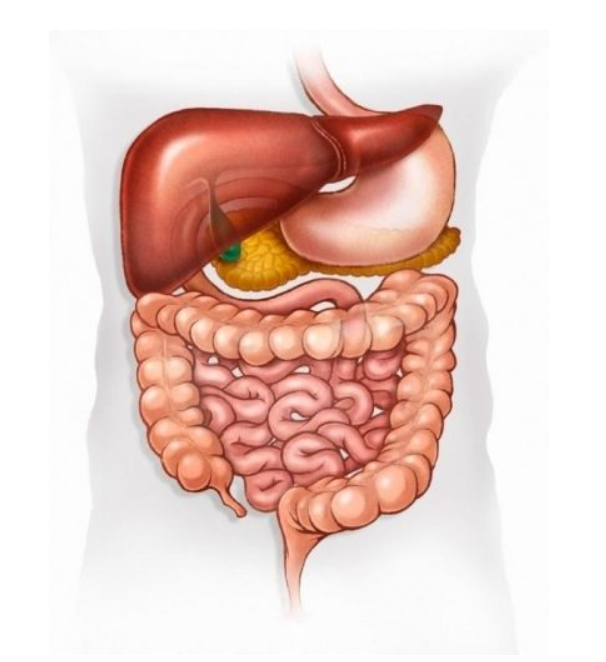
2. Avoid Gas-Producing Foods Before Quiet Situations
Certain foods are known to increase gas and digestive activity. Eating them right before meetings or social events can make stomach sounds more noticeable.
Foods that commonly cause growling include:
-
Beans and lentils
-
Carbonated drinks
-
Onions and garlic
-
Fatty or fried foods
-
Artificial sweeteners
This doesn’t mean eliminating them completely — just avoid them when silence matters most.
3. Eat Slowly and Chew Thoroughly
Eating too fast causes you to swallow extra air, which ends up in the digestive tract. More air equals more movement — and more noise.
Helpful habits:
-
Take smaller bites
-
Chew food fully
-
Avoid talking while chewing
Slower eating improves digestion and reduces gas buildup.
4. Stay Hydrated
Dehydration thickens digestive fluids and slows digestion, which can lead to louder stomach sounds. Water helps digestion move smoothly and quietly.
Best practices:
-
Sip water throughout the day
-
Drink warm water if digestion feels sluggish
-
Avoid excessive caffeine on an empty stomach
Balanced hydration supports calm digestion.
5. Manage Stress and Anxiety
Stress doesn’t just affect your mind — it directly impacts digestion. Nervousness can trigger muscle contractions in the gut, making stomach sounds louder and more frequent.
Ways to calm digestion:
-
Practice deep breathing
-
Take short walks
-
Avoid eating while highly stressed
A relaxed nervous system equals a quieter stomach.
6. Choose Gentle, Digestion-Friendly Foods
Some foods are easier for the stomach to process and help reduce excessive movement.
Good options include:
-
Bananas
-
Oatmeal
-
Yogurt or fermented foods
-
Rice and toast
-
Ginger or peppermint tea
These foods support healthy digestion and reduce gas production.
7. Improve Overall Digestive Health
If stomach growling happens frequently, it may signal digestive imbalance rather than simple hunger. Poor gut bacteria balance, food intolerances, or irregular eating patterns can all contribute.
Helpful long-term habits:
-
Eat consistent meals
-
Include fiber gradually
-
Limit ultra-processed foods
-
Pay attention to food reactions
When digestion improves, stomach noises naturally decrease.
When to Pay Attention
Occasional stomach growling is normal. However, frequent or painful digestive noises, bloating, diarrhea, or discomfort may indicate underlying issues such as food intolerance or digestive sensitivity.
If symptoms are persistent or disruptive, professional evaluation can be helpful.
Final Thought
Stomach growling is natural — but embarrassment doesn’t have to be. With simple changes in eating habits, food choices, hydration, and stress management, you can keep your digestion calm and quiet when it matters most.
Your stomach is just doing its job. A little awareness and preparation can keep it from stealing the spotlight.