A widely shared illustration showing a couple in an intimate moment is circulating online with a bold message: “Warning: Certain habits in husbands may increase wives’ cancer risk.” While the headline sounds alarming, health experts say the underlying idea is not completely unfounded: a partner’s lifestyle and health behaviors can influence the household environment, and in some cases may affect a spouse’s long-term health.
However, doctors emphasize one important point: cancer is complex. No single habit “causes” cancer in another person overnight. Still, some repeated exposures—especially in shared living spaces—can increase risk over time.
How a Partner’s Habits Can Affect Health at Home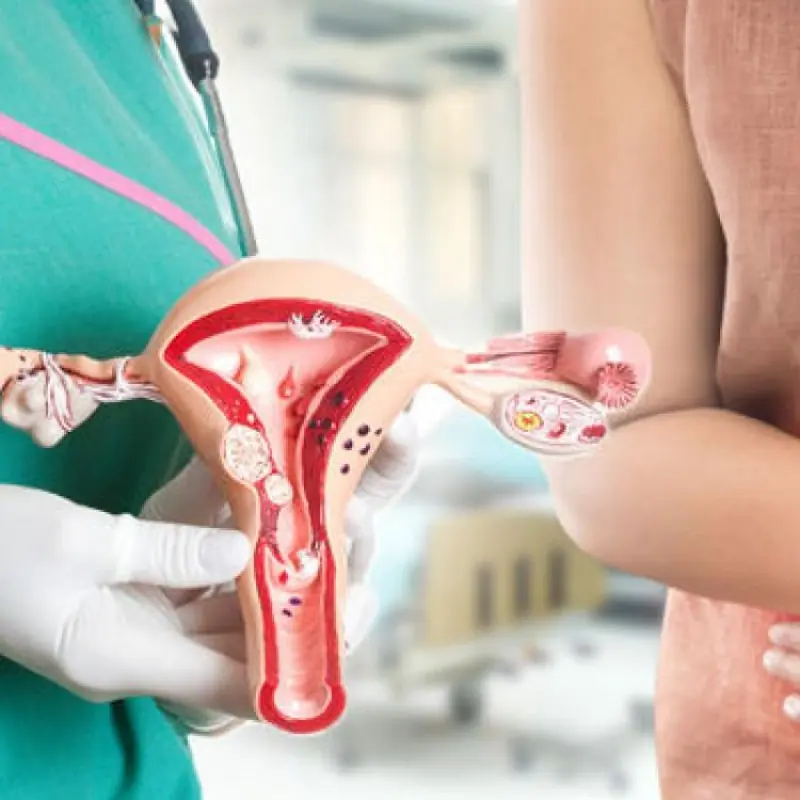
Couples share more than meals and routines. They often share:
-
Indoor air quality
-
Sleep environments
-
Stress levels
-
Sexual health
-
Secondhand exposure to chemicals or smoke
That means certain habits—especially those involving toxic substances or chronic infections—can indirectly impact a partner.
1) Smoking: The Most Well-Documented Household Risk
Medical research consistently links secondhand smoke to multiple cancers, including lung cancer. Even if only one spouse smokes, the other may still inhale harmful substances through indoor air, clothing, or the car.
Experts warn that “thirdhand smoke” (residue that sticks to hair, skin, furniture, and fabric) may also contribute to long-term exposure—particularly in bedrooms, sofas, and curtains.
What to do:
-
Quit smoking if possible
-
Never smoke indoors or in the car
-
Wash hands and change clothes after smoking
-
Keep living areas smoke-free
2) Heavy Alcohol Use: A Shared Lifestyle Risk
Alcohol is associated with an increased risk of several cancers. While drinking does not directly “spread” to a spouse, a husband’s heavy drinking can shape household habits: more frequent drinking together, poorer sleep, emotional stress, and reduced health monitoring.
Alcohol can also weaken immune function and lead to unhealthy behaviors such as smoking, poor diet, or risky sexual choices—factors that may affect a partner’s overall health.
What to do:
-
Reduce alcohol intake
-
Avoid binge drinking patterns
-
Encourage healthier social habits as a couple
3) Ignoring HPV and Sexual Health: A Preventable Danger
One of the most important but often misunderstood issues is HPV (Human Papillomavirus), a common sexually transmitted infection. Certain types of HPV are strongly linked to cervical cancer in women.
HPV can be transmitted between partners even when there are no symptoms. This is why doctors highlight safe sexual health practices and vaccination.
What to do:
-
Consider HPV vaccination (for eligible ages)
-
Attend regular cervical screenings
-
Discuss sexual health honestly
-
Seek medical advice if there are unusual symptoms
4) Poor Hygiene and Untreated Infections
Chronic infections and inflammation can affect general health, and some infections are linked to cancer risk. For example, untreated bacterial infections or poor genital hygiene may contribute to irritation and imbalance, increasing medical problems over time.
While this topic can be sensitive, doctors say couples should treat health issues as shared responsibility—without shame or blame.
What to do:
-
Practice good hygiene
-
Treat recurring infections early
-
Don’t ignore unusual discharge, pain, or bleeding
5) Toxic Chemicals at Home: Work and Lifestyle Exposure
Some men may bring chemical exposure home through work environments—such as solvents, industrial dust, pesticides, or heavy metals. These substances can cling to clothing, shoes, and skin, affecting indoor air and household surfaces.
This risk may be higher for families in industries such as construction, painting, manufacturing, agriculture, and auto repair.
What to do:
-
Change clothes before entering living areas
-
Wash work uniforms separately
-
Shower after high-exposure work
-
Improve home ventilation
Warning Signs Couples Shouldn’t Ignore
Doctors recommend seeking medical advice if a woman experiences symptoms such as:
-
abnormal bleeding
-
persistent pelvic pain
-
unusual discharge
-
unexplained weight loss
-
chronic fatigue