A striking image circulating online shows a raw seafood item opened up, with red circles highlighting what appear to be worm-like organisms. Paired with the warning, “Doctors Alert: Stop Eating These Four Foods Right Away; They’re Often Linked to Parasites,” the post has sparked anxiety—and many questions—about which foods may contain parasites and how to stay safe.
While the headline is dramatic, the underlying issue is real: parasites can be found in certain foods, especially when they are eaten raw or undercooked. The good news is that safe handling, proper cooking, and trusted sourcing can greatly reduce the risk.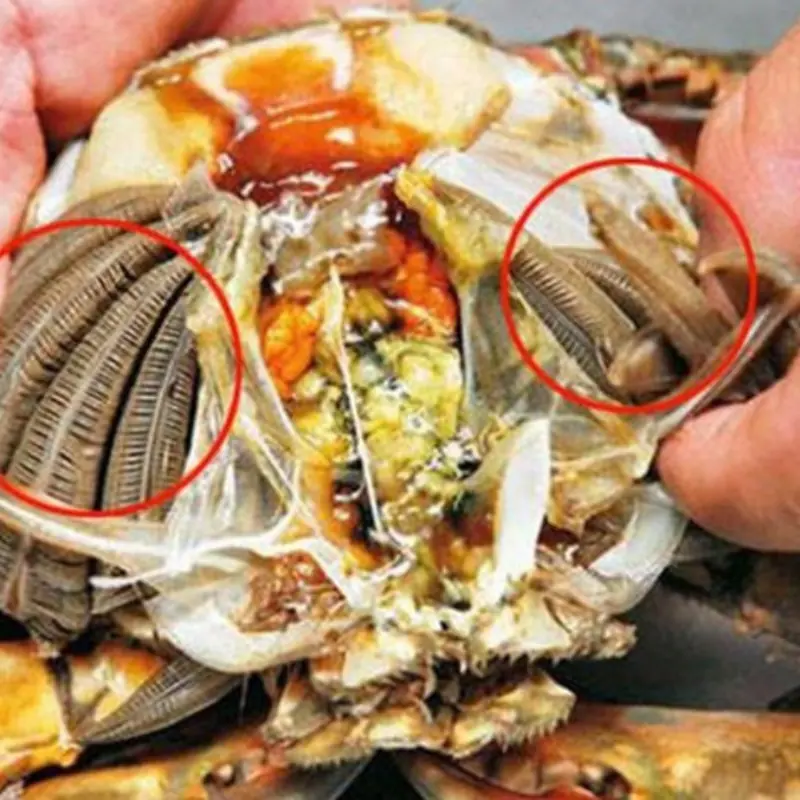
What the Image Suggests
The photo appears to show seafood with visible parasite-like strands. In many cases, these may be nematodes (roundworms) or other organisms found in marine animals. Parasites occur naturally in ocean ecosystems, and fish or shellfish can become hosts during their life cycle.
However, an image alone cannot confirm the exact species. What it does highlight is an important point: food can look normal and still contain parasites, and sometimes parasites can be visible if the product is heavily infested.
The Four Foods Most Often Linked to Parasites
Health experts commonly warn that parasites are more likely in certain types of foods—particularly those eaten raw, lightly cooked, or improperly processed.
1) Raw or Undercooked Seafood
Sushi, sashimi, raw oysters, and lightly cooked squid or crab are popular in many cultures. But raw seafood carries a higher risk of parasites such as anisakis. Symptoms can include stomach pain, nausea, vomiting, and allergic reactions.
Safer choice: Eat seafood fully cooked, or choose reputable restaurants that follow strict freezing standards for raw fish.
2) Raw or Undercooked Freshwater Fish
Freshwater fish can host parasites that affect the liver or intestines. In some regions, dishes made with raw freshwater fish have been linked to serious infections.
Safer choice: Cook freshwater fish thoroughly and avoid raw freshwater dishes unless they meet verified safety standards.
3) Undercooked Pork
Pork is associated with parasites such as tapeworms and, in rare cases, trichinella (depending on farming and food safety controls). Most modern pork is safer than in the past, but undercooking still increases risk.
Safer choice: Cook pork to a safe internal temperature and avoid tasting meat before it is fully cooked.
4) Unwashed Produce (Especially Leafy Greens)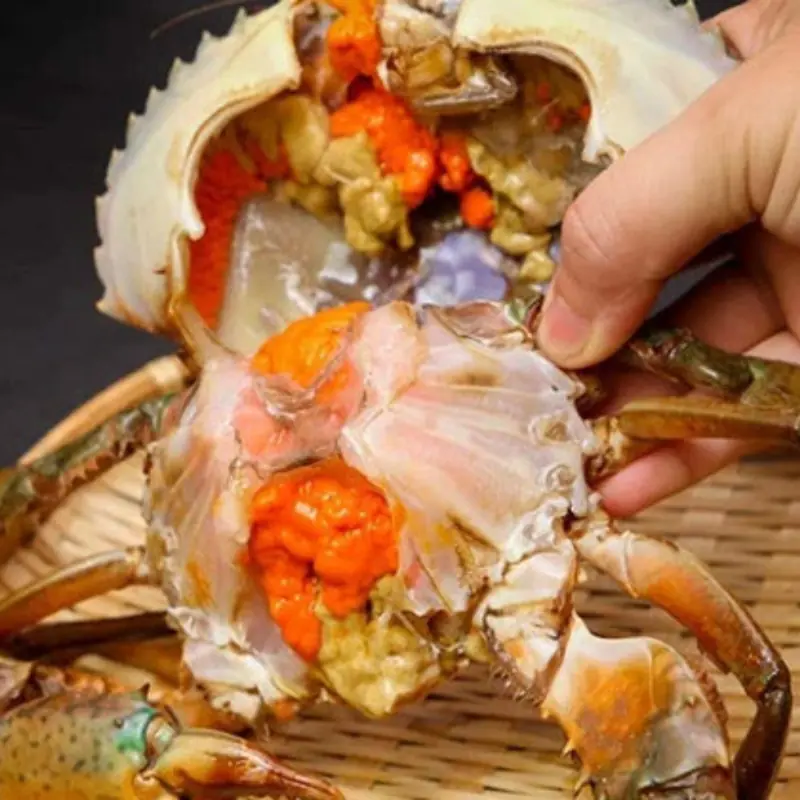
Parasites are not only in meat and fish. Fruits and vegetables can be contaminated through soil, untreated water, or handling. Leafy greens and herbs are common culprits because they are eaten raw and can trap dirt.
Safer choice: Wash produce well, soak when appropriate, and buy from trusted sources.
Signs of Possible Parasite Infection
People may experience different symptoms depending on the parasite and the immune system. Common warning signs can include:
-
Persistent stomach pain or cramps
-
Nausea and vomiting
-
Diarrhea
-
Unexplained weight loss
-
Fatigue
-
Itching or rashes (sometimes allergic-type reactions)
If symptoms appear after eating raw or suspicious food, seek medical advice—especially if symptoms are severe or last more than a day or two.
How to Protect Yourself: Simple Food Safety Steps
The most effective protection is not fear—it’s prevention.
Cook Thoroughly
Heating food properly kills most parasites. This is especially important for seafood, pork, and freshwater fish.
Freeze When Needed
Many parasites in fish are killed by proper freezing. Reputable restaurants and suppliers typically follow freezing guidelines for fish served raw.
Buy From Trusted Sellers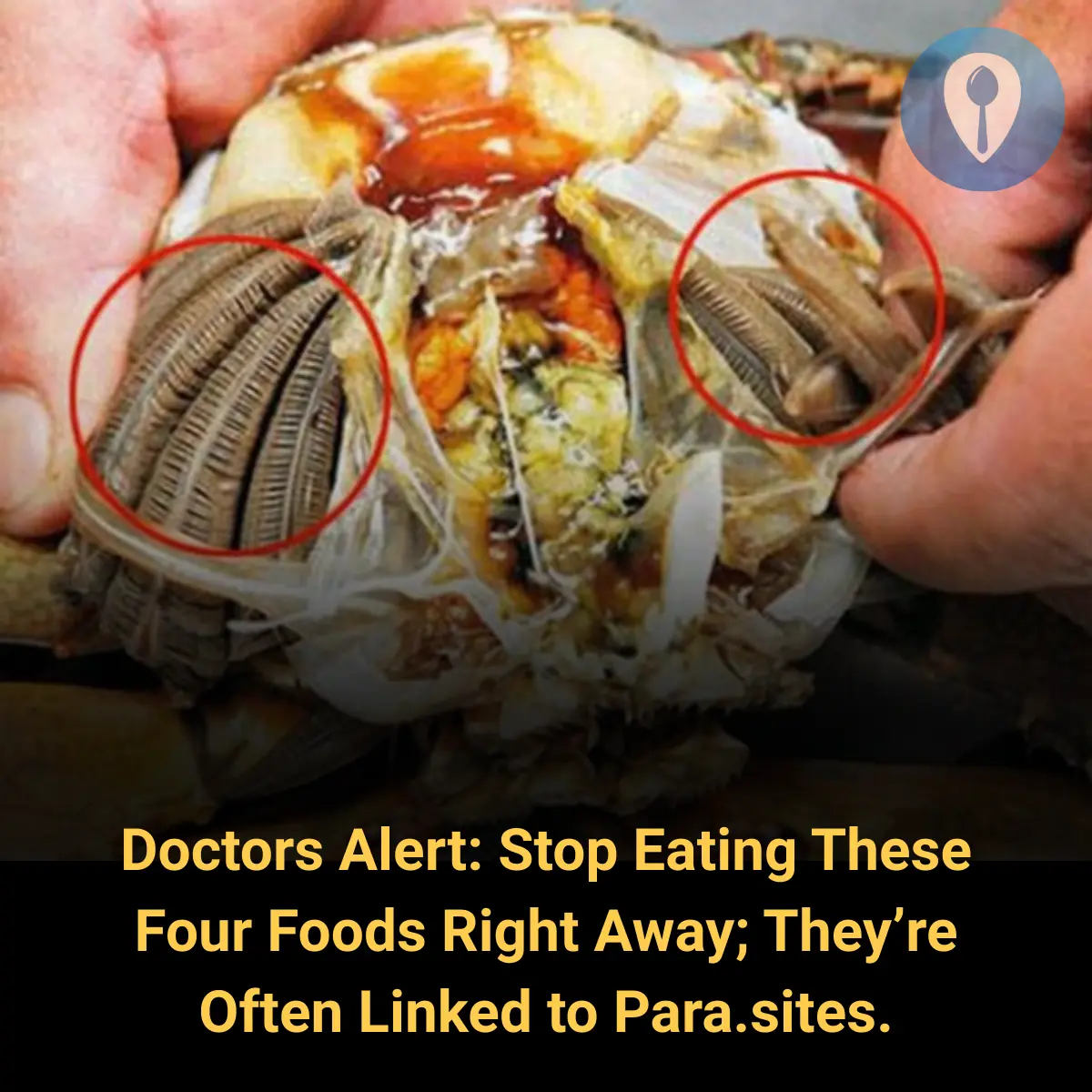
Choose suppliers with good hygiene and quality control. Avoid seafood that smells unusual, looks slimy, or comes from unclear sources.
Clean Your Kitchen
Wash hands, boards, and knives after handling raw meat or seafood, and keep raw foods separate from ready-to-eat items.
Bottom Line: Don’t Panic—Be Smart
The viral message may be exaggerated, but the risk is real in certain situations. Parasites are part of nature, especially in marine and freshwater environments. Instead of avoiding entire food groups forever, focus on safe sourcing, proper cooking, and good hygiene.
Food can still be delicious and safe—when prepared correctly.