A Month Before a Stroke, Your Body May Be Sending Warnings — And Many People Miss Them
A stroke rarely comes out of nowhere. In many cases, the body begins to send subtle — and sometimes not-so-subtle — warning signs weeks before it happens. The problem is not that these signals don’t exist, but that they are often ignored, misunderstood, or blamed on stress, fatigue, or aging.
Understanding these early signs can be life-saving. Recognizing them early gives you time to act, seek medical help, and possibly prevent permanent damage — or even death.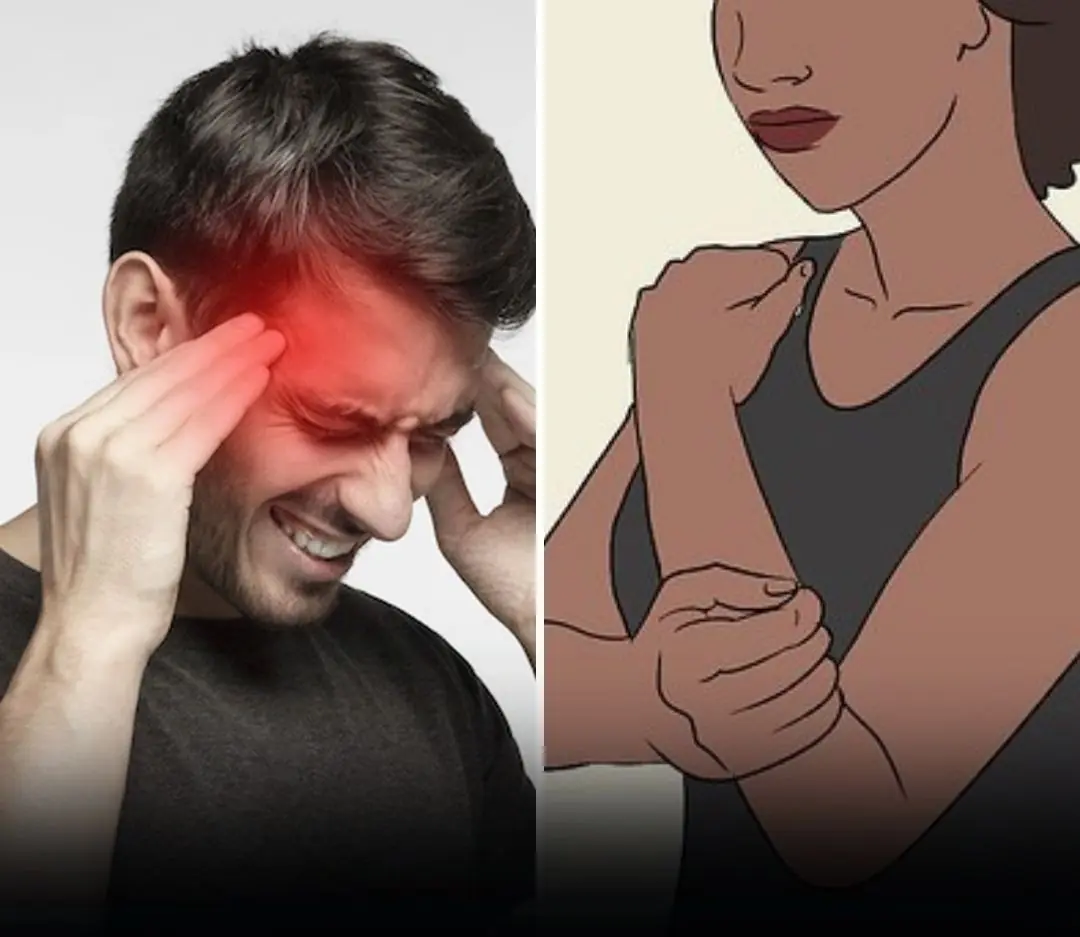
Below are 10 important warning signs that may appear up to a month before a stroke, and why you should never brush them off.
1. Persistent or Unusual Headaches
A sudden change in headache patterns is a red flag. If headaches become more intense, more frequent, or feel different from your usual tension or migraine headaches, this may indicate changes in blood flow to the brain. Severe headaches that come with dizziness or vision changes are especially concerning.
2. Temporary Numbness or Weakness
Feeling numbness, tingling, or weakness in the face, arm, or leg — especially on one side of the body — is one of the most common early warning signs. Even if it lasts only a few minutes and disappears, it should never be ignored.
3. Sudden Vision Problems
Blurred vision, double vision, or brief loss of sight in one or both eyes can signal trouble. The brain relies on steady blood supply for vision, and interruptions may show up as visual disturbances before a stroke occurs.
4. Trouble Speaking or Understanding Words
Struggling to find words, slurred speech, or difficulty understanding simple sentences may seem minor at first. However, these symptoms can point to reduced blood flow in language-processing areas of the brain.
5. Unexplained Dizziness or Loss of Balance
Feeling lightheaded, unsteady, or suddenly clumsy without a clear reason is another warning. Problems with balance and coordination often reflect early neurological disruption.
6. Sudden Fatigue Without Explanation
Extreme tiredness that appears suddenly and doesn’t improve with rest can be a signal. The brain works harder when blood flow is compromised, leading to unexpected exhaustion even without physical effort.
7. Chest Discomfort or Irregular Heartbeat
While often associated with heart problems, chest pain or irregular heartbeat can also increase stroke risk, especially if caused by conditions like atrial fibrillation, which can lead to blood clots traveling to the brain.
8. Shortness of Breath
Difficulty breathing or feeling unusually breathless during normal activities may indicate circulation issues. Poor oxygen delivery affects both the heart and the brain, raising stroke risk.
9. Sudden Mood or Cognitive Changes
Uncharacteristic confusion, anxiety, memory problems, or personality changes can appear weeks before a stroke. These mental shifts are often dismissed as stress but may reflect early brain distress.
10. Pain or Weakness in One Arm or Shoulder
Pain, heaviness, or weakness in an arm — especially when combined with numbness — may signal nerve or circulation problems. If the sensation is one-sided, it deserves immediate attention.

Why These Signs Are Often Ignored
Many people assume these symptoms are caused by work stress, lack of sleep, dehydration, or aging. Others delay care because symptoms disappear quickly. Unfortunately, temporary symptoms can be the most dangerous, as they often precede a major stroke.
When to Act
If you or someone around you experiences any combination of these symptoms, do not wait. Seek medical evaluation immediately. Early intervention can dramatically reduce stroke severity and long-term disability.
Remember the simple rule:
If something feels sudden, unusual, or one-sided — take it seriously.
Final Thought
Your body is always communicating. A stroke is not always sudden; it often whispers before it screams. Learning to listen could save your life or the life of someone you love.
Ignoring the signs is easy. Responding to them is powerful.