Stop Eating These 6 Foods That Negatively Affect the Thyroid — What You Put on Your Plate Matters
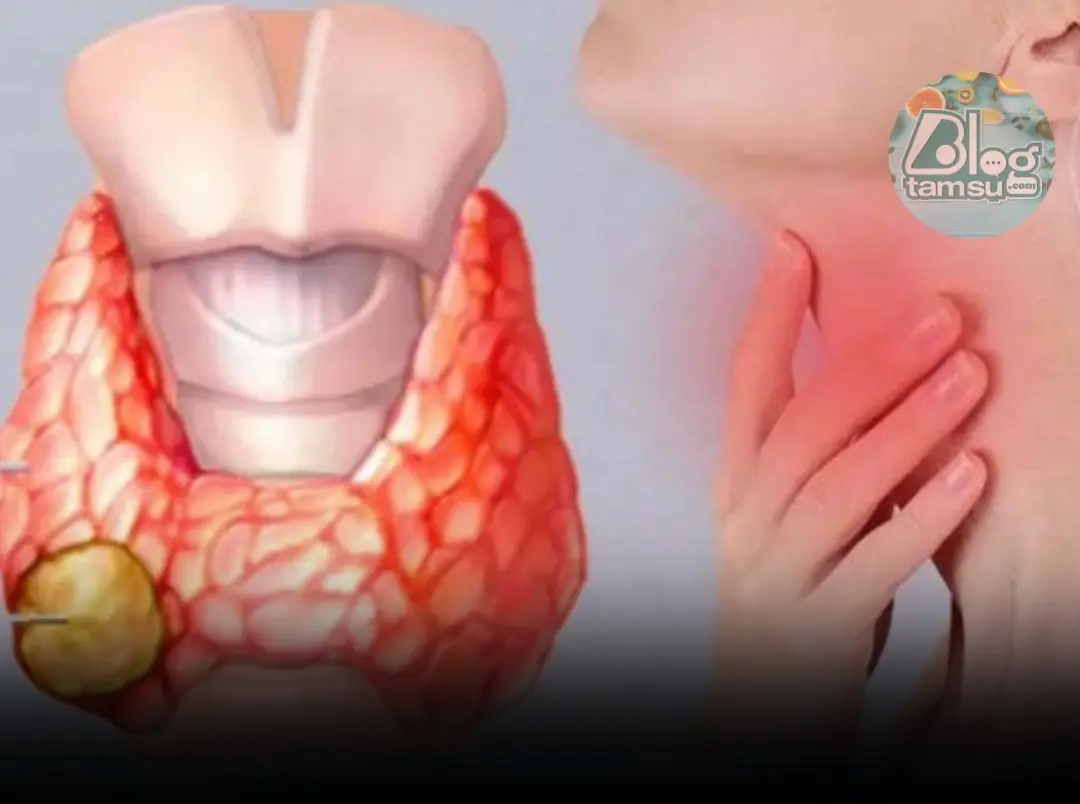
The thyroid is a small, butterfly-shaped gland in the neck, but its impact on the body is enormous. It controls metabolism, energy levels, body temperature, heart rate, and even mood. When the thyroid is under stress or not functioning properly, symptoms can quietly build up, including fatigue, weight changes, hair loss, brain fog, and cold sensitivity.
While genetics and medical conditions play a role, diet is one of the most overlooked factors affecting thyroid health. Certain foods, especially when eaten frequently, can interfere with hormone production or worsen existing thyroid problems.
Here are six foods that may negatively affect the thyroid, and why reducing them can make a real difference.
1. Highly Processed Foods
Ultra-processed foods are loaded with refined sugars, unhealthy fats, preservatives, and artificial additives. These ingredients promote inflammation, which can disrupt thyroid hormone signaling and worsen autoimmune thyroid conditions.
Common examples include packaged snacks, fast food, frozen meals, and sugary desserts.
Why it matters: Chronic inflammation places constant stress on the thyroid, making it harder for the gland to regulate metabolism efficiently.
2. Excess Sugar
Too much sugar does more than affect blood glucose. It contributes to insulin resistance, weight gain, and hormonal imbalance, all of which can negatively influence thyroid function.
High sugar intake also feeds inflammation and can worsen fatigue — a common thyroid-related symptom.
Why it matters: The thyroid works closely with other hormones. When blood sugar is unstable, thyroid balance often suffers.
3. Refined Carbohydrates
White bread, pastries, white rice, and other refined carbs break down quickly into sugar. This causes rapid spikes and crashes in blood sugar, putting stress on the endocrine system.
Over time, this imbalance can affect how efficiently the thyroid hormones are converted and used by the body.
Why it matters: Stable blood sugar supports stable thyroid hormone activity.
4. Excess Soy Products
Soy contains compounds called isoflavones, which may interfere with thyroid hormone production and iodine absorption — especially in people with iodine deficiency or existing thyroid issues.
This includes soy milk, soy protein powders, tofu, and heavily processed soy foods.
Why it matters: Occasional soy may be fine for many people, but large or daily amounts can suppress thyroid activity, particularly in those already at risk.
5. Certain Raw Cruciferous Vegetables (in Excess)
Vegetables like cabbage, broccoli, kale, and cauliflower are healthy, but when eaten raw and in large quantities, they contain goitrogens — substances that can interfere with iodine uptake.
Cooking these vegetables significantly reduces their goitrogenic effect.
Why it matters: Iodine is essential for thyroid hormone production. Blocking its absorption can impair thyroid function over time.
6. Alcohol
Alcohol directly affects the thyroid gland and the liver, which plays a key role in converting thyroid hormones into their active form. Regular alcohol consumption can suppress hormone production and increase inflammation.
It may also worsen symptoms like fatigue, anxiety, and sleep disturbances.
Why it matters: A stressed liver means less efficient thyroid hormone activation.
Foods That Support Thyroid Health
Reducing harmful foods is only half the equation. Supporting the thyroid also means adding the right nutrients:
-
Iodine-rich foods (in appropriate amounts)
-
Selenium sources like nuts and eggs
-
Zinc-rich foods such as seeds and legumes
-
Whole, unprocessed foods
-
Plenty of water to support detoxification
A balanced, anti-inflammatory diet gives the thyroid what it needs to function optimally.
When Diet Matters Most
Diet changes are especially important if you:
-
Have hypothyroidism or hyperthyroidism
-
Experience unexplained fatigue or weight changes
-
Have a family history of thyroid disease
-
Are managing autoimmune conditions
While food alone cannot replace medical treatment, it can significantly influence how well your thyroid responds and recovers.
Final Thought
Your thyroid responds daily to what you eat. Small, consistent dietary choices can either support or strain this vital gland. Eliminating or reducing these six foods does not mean deprivation — it means giving your body a chance to rebalance.
When the thyroid is supported, energy improves, metabolism stabilizes, and overall well-being follows. Sometimes, healing truly does begin on the plate.