Traveling can be exciting, whether it’s for a relaxing vacation, a business trip, or simply exploring a new city. Hotels and motels provide convenient places to rest, but not every room meets proper standards of safety and cleanliness. Before settling in for the night, it is important to take a few minutes to carefully check the room.
While most accommodations maintain acceptable conditions, some warning signs may indicate deeper problems related to hygiene, safety, or maintenance. Paying attention to these signals can help travelers avoid unpleasant experiences and protect their health and belongings.
Here are three important warning signs that should never be ignored when entering a hotel or motel room.
1. Signs of Poor Cleanliness or Pest Activity
Cleanliness is one of the most important indicators of a well-managed hotel room. When basic hygiene standards are not met, it may suggest that the property does not follow proper cleaning procedures.
Some signs to watch for include:
-
Dirty bed sheets or pillowcases
-
Hair or stains on bedding
-
Unpleasant odors in the room
-
Dust buildup on furniture
-
Trash left behind from previous guests
However, one of the most serious concerns related to cleanliness is the presence of pests, especially bed bugs.

Bed Bug Warning Signs
Bed bugs are small insects that feed on human blood and often hide in mattresses, furniture, or cracks near sleeping areas.
Possible signs include:
-
Small reddish or brown stains on sheets or mattresses
-
Tiny dark spots (bed bug droppings) on bedding or furniture
-
Live insects around mattress seams or headboards
-
Itchy bites appearing after sleep
Because bed bugs spread easily and can travel in luggage, discovering these signs should be taken seriously.
If there is any suspicion of pests, it is best to request a different room or consider leaving the property.
2. Hidden Cameras or Suspicious Devices
Although rare, reports of hidden cameras in hotel rooms have raised concerns among travelers in recent years. Protecting personal privacy is essential when staying in unfamiliar places.
Most hotel rooms are perfectly safe, but it is wise to remain aware of your surroundings.
Areas Where Cameras Could Potentially Be Hidden
Hidden devices may sometimes be concealed in everyday objects such as:
-
Smoke detectors
-
Alarm clocks
-
Power outlets
-
Decorative items
-
Bathroom fixtures
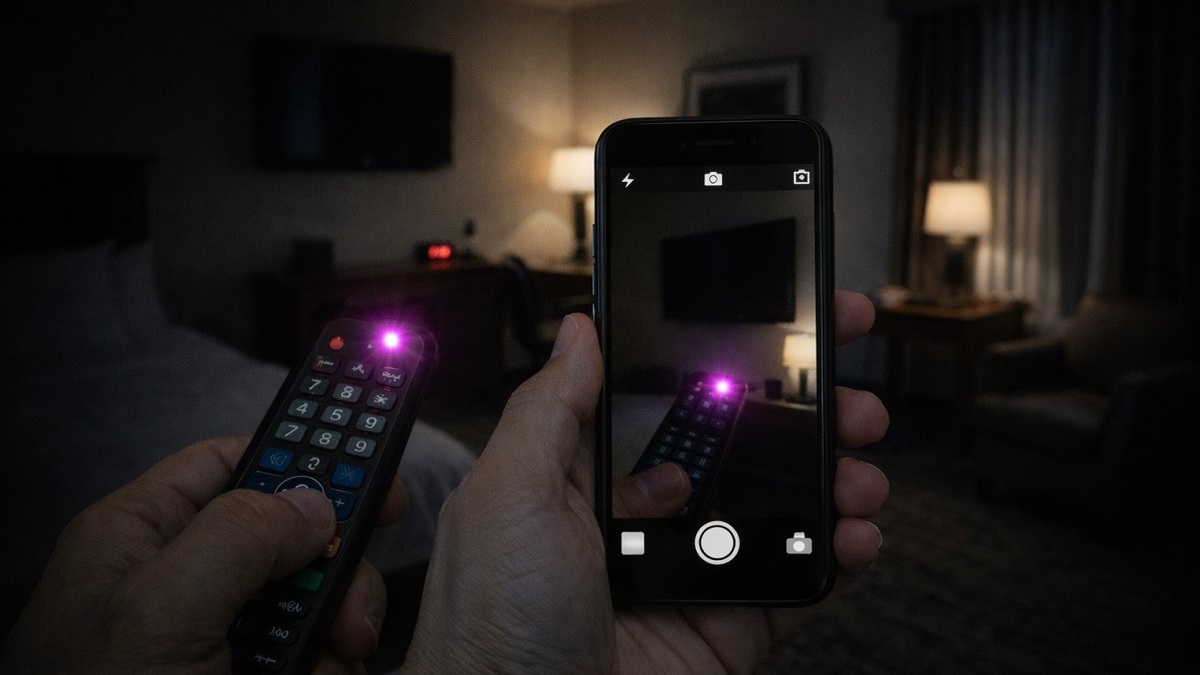
Travelers may choose to perform a quick visual check of the room when they arrive.
Basic Privacy Checks
Some simple steps include:
-
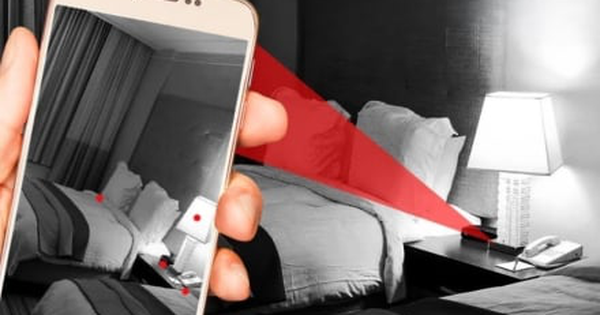
Looking for unusual holes or lenses in objects
-
Checking devices facing the bed or bathroom area
-
Turning off lights and scanning the room for small LED indicators
These checks take only a few minutes and can help travelers feel more secure.
If anything appears suspicious, guests should immediately report it to hotel management or local authorities.
3. Faulty Safety Equipment
Another critical factor to examine is the condition of safety equipment within the room.
Hotels are required in many regions to maintain certain safety standards, including fire prevention and emergency preparedness.
Important Safety Items to Check
Travelers should quickly verify that the room includes:
-
A functioning smoke detector
-
Clearly visible fire evacuation instructions
-
Emergency exit routes nearby
-
Secure door locks and latches
A missing or damaged smoke detector is a particularly serious concern because it plays a vital role in early fire detection.
Door and Lock Security
The room door should close firmly and lock securely. Ideally, it should have multiple locking mechanisms, such as:
-
A deadbolt
-
A security chain or latch
-
A peephole
If the door appears damaged or does not lock properly, guests should request another room immediately.
Additional Safety Tips for Travelers
Beyond these three main warning signs, there are a few additional habits that can improve safety and comfort when staying in hotels.
Inspect the Mattress Area
Bed bugs often hide along mattress seams and headboards. Lifting the corner of the mattress for a quick check can provide reassurance.
Keep Luggage Elevated
Using luggage racks instead of placing bags directly on the floor or bed can reduce the risk of pests entering your belongings.
Sanitize High-Touch Surfaces
Items such as remote controls, light switches, and door handles are frequently touched and may benefit from quick cleaning with disinfectant wipes.
Familiarize Yourself with Emergency Exits
Knowing where the nearest stairwell or exit is located can save valuable time during an emergency.
Why These Checks Matter
A hotel room is meant to be a place of rest and safety. While most hotels maintain good standards, taking a few moments to inspect the room can prevent potential problems.
Simple observations can help travelers:
-
Avoid health risks
-
Protect their privacy
-
Ensure personal safety
-
Prevent damage to luggage or belongings
These precautions are not about suspicion but about responsible travel habits.
When to Consider Changing Rooms or Leaving
If any serious issues are discovered—such as pest infestations, broken locks, or suspicious devices—it is important to act promptly.
Steps to take include:
-
Informing hotel management immediately
-
Requesting another room in a different area
-
Contacting customer service if concerns are not addressed
In extreme cases, it may be safer to check out and find alternative accommodation.
Final Thoughts
Hotels and motels play an important role in travel by providing comfort and convenience. However, a quick inspection of the room upon arrival can help ensure that the environment meets basic safety and hygiene standards.
By watching for three key warning signs—poor cleanliness or pests, suspicious devices, and faulty safety equipment—travelers can make informed decisions and avoid unnecessary risks.
Sometimes just a few minutes of careful observation can make the difference between a comfortable stay and an unpleasant experience. Safe travel begins with awareness, and a simple room check can provide peace of mind throughout the journey.