Screening looks for cancer or precancerous changes in people who may not have symptoms.
Diagnostic testing
Diagnostic testing is performed when symptoms or other findings raise a concern.
Depending on the individual's situation, colorectal cancer evaluation can involve tests such as stool-based screening, colonoscopy, imaging, or other examinations.
The appropriate test depends on factors including age, symptoms, family history, previous screening results, and personal risk.
Colon Polyps and Colorectal Cancer
Many colorectal cancers begin as polyps.
A polyp is a growth that develops on the inner lining of the colon or rectum.
Not every polyp becomes cancer.
Some types are more likely than others to develop into cancer over time.
This is one reason colonoscopy can be particularly valuable: during the procedure, doctors can identify and remove certain polyps before they have the opportunity to become cancerous.
The process from a precancerous polyp to cancer generally takes time, although the timeline varies.
Regular screening can therefore play an important role in prevention as well as early detection.
Don't Automatically Blame Every Bathroom Change on Cancer
This is one of the most important points.
A change in bowel habits is not synonymous with colon cancer.
There are dozens of more common explanations.
For example, constipation may result from:
-
Not eating enough fiber
-
Not drinking enough fluids
-
Lack of physical activity
-
Certain medications
-
Changes in routine
-
Dietary changes
Diarrhea may be caused by:
-
Infections
-
Food intolerance
-
Certain medications
-
Stress
-
Irritable bowel syndrome
-
Inflammatory bowel disease
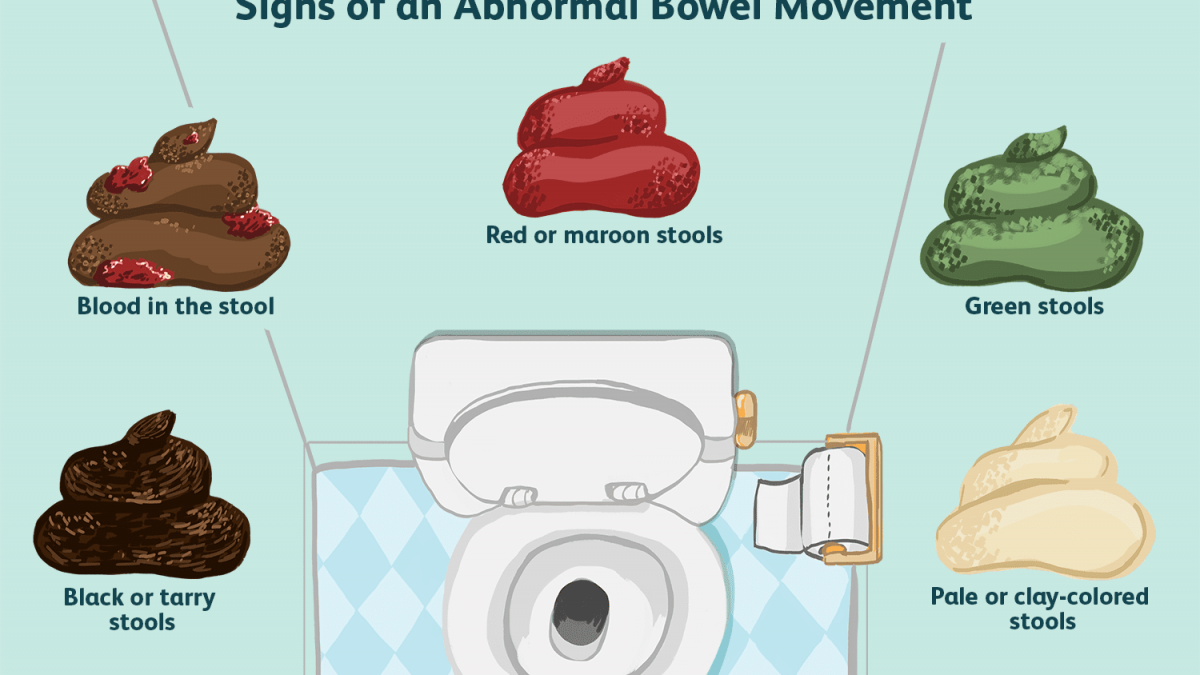
Blood on toilet paper may be caused by hemorrhoids or an anal fissure.
Therefore, seeing one of these symptoms does not mean you should assume the worst.
Instead, pay attention to persistence, recurrence, severity, and combinations of symptoms.
When Should You Talk to a Doctor?
Consider medical evaluation if you experience:
-
Persistent rectal bleeding
-
Repeated unexplained blood in the stool
-
A persistent change in bowel habits
-
Unexplained weight loss
-
Persistent abdominal pain
-
Ongoing changes in stool appearance
-
Persistent tenesmus
-
Unexplained iron-deficiency anemia
-
Increasing fatigue or weakness
The appropriate response depends on your age and individual risk factors.
People with a strong family history of colorectal cancer or certain inherited conditions may need screening earlier or more frequently than average-risk individuals.
Some Symptoms Require More Urgent Attention
Certain combinations of symptoms should not be ignored.
Seek urgent medical care if you experience significant gastrointestinal bleeding, black tarry stools without an obvious explanation, severe abdominal pain, fainting, severe weakness, or symptoms suggesting a bowel obstruction.
A bowel obstruction can cause symptoms such as:
-
Severe abdominal swelling
-
Repeated vomiting
-
Severe abdominal pain
-
Inability to pass stool or gas
These symptoms require prompt medical assessment.
Risk Factors You Should Know
Some people have a higher risk of colorectal cancer than others.
Risk can be influenced by:
-
Increasing age
-
Family history of colorectal cancer
-
Certain inherited genetic conditions
-
Previous colorectal polyps
-
Inflammatory bowel disease
-
Smoking
-
Heavy alcohol consumption
-
Physical inactivity
-
Obesity
-
Diet patterns high in processed meat
Having a risk factor does not mean someone will develop cancer.
Likewise, not having obvious risk factors does not eliminate the possibility.
That's why age-appropriate screening remains important.
Can Lifestyle Reduce the Risk?
No lifestyle strategy can guarantee that colorectal cancer will never develop.
However, several habits are associated with better overall health and may help reduce colorectal cancer risk.
Eat more fiber-rich foods
Vegetables, fruits, legumes, and whole grains provide fiber and a range of nutrients.
Limit processed meat
Processed meats have been associated with increased colorectal cancer risk.
Maintain regular physical activity
Regular movement supports cardiovascular, metabolic, and digestive health.
Avoid smoking
Smoking is associated with numerous cancers and other serious health conditions.
Limit alcohol
Reducing alcohol consumption can lower exposure to an established cancer risk factor.
Maintain a healthy weight
Excess body weight is associated with increased risk of several cancers, including colorectal cancer.
Keep up with screening
This may be one of the most important steps because screening can identify precancerous lesions or cancer before symptoms become obvious.
What About “Detoxing” the Colon?
Social media frequently promotes colon cleanses, detox drinks, herbal mixtures, or laxative programs as ways to “remove toxins” and prevent colon cancer.
There is no need for routine colon cleansing in healthy people.
Your digestive system already has mechanisms for processing and eliminating waste.
Some aggressive cleansing products can actually cause:
-
Dehydration
-
Electrolyte disturbances
-
Abdominal cramping
-
Diarrhea
-
Medication interactions
A healthy diet, adequate hydration, regular physical activity, and appropriate medical screening are much more useful approaches than unproven “colon detox” programs.
A Simple Way to Pay Attention to Your Bathroom Habits
You don't need to obsessively monitor every bowel movement.
Instead, notice meaningful changes from your normal pattern.
Ask yourself:
Has my bowel pattern changed recently?
Has the change lasted for several weeks?
Have I noticed blood?
Have my stools consistently changed in appearance?
Do I frequently feel that I haven't completely emptied my bowel?
Have I lost weight without trying?
Am I unusually tired or weak?
If several changes occur together, or if one concerning symptom persists, talking to a healthcare professional is reasonable.
The Bottom Line
Four bathroom-related changes that may occur with colorectal cancer include rectal bleeding, persistent changes in bowel habits, persistent changes in stool shape, and a feeling of incomplete bowel emptying.
But these symptoms are not specific to colon cancer. Hemorrhoids, constipation, infections, inflammatory bowel disease, irritable bowel syndrome, medications, and many other conditions can cause similar changes.
The key is not to panic when you notice one unusual bowel movement.
Instead, pay attention to persistent, recurrent, unexplained, or worsening changes, especially when they occur alongside unexplained weight loss, abdominal discomfort, fatigue, or anemia.
And perhaps most importantly, don't wait for symptoms before thinking about colorectal cancer prevention. Age-appropriate screening can detect precancerous polyps and early cancers even when a person feels completely healthy.
Your bathroom habits may occasionally provide useful clues about your health—but they are only one part of the picture.