
Ginger May Not Be Right for Everyone: 7 Situations Where You Should Be Careful
Taking Ginger Every Day? 7 Health Conditions That May Require Extra Caution
Health 30/07/2026 17:34
Cancer rarely has a single cause. It usually develops through a complex interaction of age, genetics, environmental exposures, lifestyle factors, infections, hormones, and changes occurring inside cells over time.
This is why statements such as “this condition turns into cancer” can be misleading. Most common health problems do not inevitably become cancer, and having a risk factor does not mean someone will develop the disease.
Still, certain medical conditions are associated with a higher risk of particular cancers, especially when they cause persistent inflammation, repeated tissue damage, abnormal cell growth, or long-term exposure to certain hormones.
Some of these conditions are surprisingly common and may cause few symptoms at first.
Here are four important examples, what the connection actually means, and what you can do to reduce your risk.
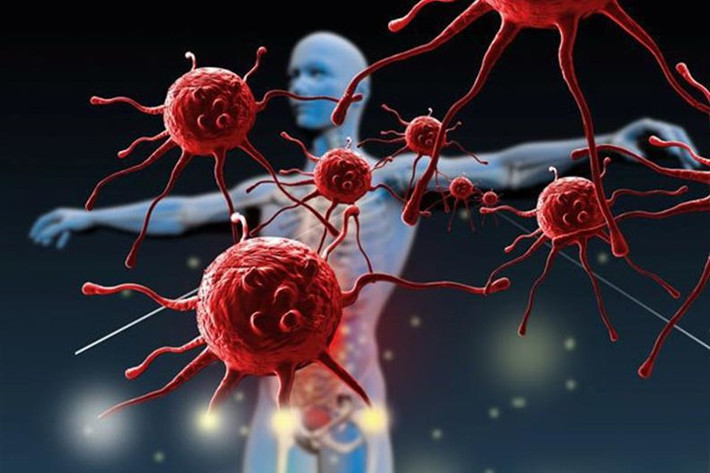
Before looking at individual conditions, there is one distinction worth making.
A risk factor increases the statistical likelihood of developing a disease. It does not guarantee that the disease will occur.
For example, someone may have chronic acid reflux for years and never develop esophageal cancer. Another person without obvious reflux symptoms may still develop it.
Cancer risk is influenced by many variables at the same time.
So rather than panicking about a diagnosis, the useful approach is to ask:
Can the underlying condition be treated?
Can exposure to the risk factor be reduced?
Is additional monitoring or screening recommended?
In many cases, the answer is yes.
Heartburn is extremely common.
After a large meal, you might experience a burning sensation behind the breastbone, an acidic taste in your mouth, or discomfort when lying down.
Occasional reflux isn't usually a major concern.
But frequent gastroesophageal reflux disease—better known as GERD—can cause repeated exposure of the esophagus to stomach contents.
Over time, chronic reflux can contribute to a condition called Barrett's esophagus.
The esophagus is the tube that carries food from your mouth to your stomach.
Normally, its lower portion is lined by one type of tissue. In Barrett's esophagus, chronic injury from reflux can cause the normal lining to be replaced by tissue resembling the intestinal lining.
This change is called intestinal metaplasia.
Barrett's esophagus itself is not cancer.
However, people with Barrett's esophagus have an increased risk of developing esophageal adenocarcinoma compared with people without the condition.
Even then, the absolute annual risk for an individual with Barrett's esophagus remains relatively low.
Possible symptoms include:
Frequent heartburn
Acid or food coming back into the throat
Sour or bitter taste
Chest discomfort
Chronic cough
Hoarseness
Difficulty swallowing
Sensation of a lump in the throat
Interestingly, Barrett's esophagus itself may not produce unique symptoms.
Many people discover it during an upper endoscopy performed because of long-standing reflux.
Occasional heartburn after overeating isn't the same as chronic GERD.
Talk to a healthcare professional if reflux occurs frequently or if you regularly depend on over-the-counter medication to control it.
Certain symptoms deserve particularly prompt evaluation.
These include:
Difficulty swallowing
Pain when swallowing
Unexplained weight loss
Persistent vomiting
Vomiting blood
Black, tarry stools
These symptoms don't automatically mean cancer, but they shouldn't be ignored.
Managing reflux can protect the esophagus from ongoing irritation and improve quality of life.
Treatment may involve:
Weight management when appropriate
Avoiding meals immediately before bed
Identifying individual food triggers
Reducing excessive alcohol
Stopping smoking
Medications that reduce stomach acid
People diagnosed with Barrett's esophagus may require periodic endoscopic surveillance depending on their individual risk and whether abnormal cells called dysplasia are present.
The goal is to identify concerning changes before they progress.
The liver is remarkably resilient.
It can tolerate considerable stress and regenerate after injury.
But years of chronic inflammation can eventually cause significant damage.
Two important causes are hepatitis B virus (HBV) and hepatitis C virus (HCV).
Chronic infection with either virus can increase the risk of hepatocellular carcinoma, the most common form of primary liver cancer.
When hepatitis becomes chronic, ongoing inflammation can repeatedly damage liver cells.
The liver attempts to repair that damage.
Over many years, this cycle can contribute to:
Inflammation → fibrosis → cirrhosis → increased cancer risk
However, the pathways aren't identical for hepatitis B and hepatitis C.
Hepatitis B can increase liver cancer risk even in some people who have not yet developed cirrhosis.
Hepatitis C-related liver cancer is particularly associated with advanced fibrosis and cirrhosis.
Chronic viral hepatitis can be silent for years.
Someone may have significant liver damage without obvious symptoms.
When symptoms do occur, they can include:
Fatigue
Poor appetite
Nausea
Abdominal discomfort
Dark urine
Yellowing of the skin or eyes
Advanced liver disease may cause:
Abdominal swelling
Leg swelling
Easy bleeding
Confusion
Significant weakness
Waiting for these symptoms before getting tested can mean waiting too long.
One of the most important cancer-prevention tools is actually a vaccine.
The hepatitis B vaccine protects against HBV infection and therefore helps prevent complications including cirrhosis and liver cancer.
This makes it one of the few vaccines capable of indirectly preventing a human cancer.
People should follow vaccination recommendations appropriate for their age, health status, and location.
There is currently no widely available vaccine against hepatitis C.
But modern antiviral medications have transformed treatment.
Direct-acting antiviral therapies can cure hepatitis C in the vast majority of appropriately treated patients.
Successful treatment dramatically reduces the risk of liver complications.
People who already have advanced fibrosis or cirrhosis may still require ongoing liver cancer surveillance even after the virus has been cured.
Testing recommendations depend on age, country, pregnancy status, previous medical exposures, and individual risk factors.
Potential risk situations can include:
Previous exposure to contaminated blood
Sharing injection equipment
Certain historical blood transfusions
Birth in regions where hepatitis B is common
Having a household or sexual partner with HBV
Certain occupational exposures
Because screening recommendations vary geographically, your healthcare provider can advise which tests are appropriate.
Inflammatory bowel disease, or IBD, primarily refers to two conditions:
Ulcerative colitis
and
Crohn's disease
These are chronic inflammatory diseases involving the gastrointestinal tract.
IBD is different from irritable bowel syndrome (IBS).
The names sound similar, but their relationship to cancer is very different.
IBS can cause:
Abdominal pain
Bloating
Constipation
Diarrhea
But IBS does not produce the same chronic intestinal inflammation and is not considered a precancerous condition.
IBD, on the other hand, can cause persistent inflammation and structural damage to the bowel.
For some people with long-standing colonic IBD, this inflammation increases the risk of colorectal cancer.
Inflammation is part of the body's repair and immune response.
Short-term inflammation helps us recover from injuries and infections.
But chronic inflammation is different.
When tissue is repeatedly damaged and repaired over many years, cells undergo more cycles of division.
During this process, genetic alterations can accumulate.
In long-standing inflammatory bowel disease, this can eventually contribute to:
Normal cells → dysplasia → cancer
This doesn't happen to everyone with IBD.
But the risk can be higher than in the general population, particularly under certain circumstances.
Risk can be influenced by:
How long someone has had the disease
How much of the colon is affected
Severity and persistence of inflammation
Family history of colorectal cancer
Presence of certain associated conditions
Previous detection of dysplasia
Someone with limited disease may have a different risk profile from someone with extensive colitis lasting decades.
That's why surveillance is individualized.
Possible symptoms include:
Persistent diarrhea
Blood in the stool
Abdominal pain
Urgency to have a bowel movement
Weight loss
Fatigue
Reduced appetite
Symptoms often come and go.
People may experience periods of active disease called flares, followed by periods of remission.
Effective treatment aims not only to control symptoms but also to reduce inflammation.
People with long-standing colonic IBD may be advised to undergo regular surveillance colonoscopy.
During colonoscopy, doctors can examine the lining of the colon and identify suspicious areas.
Biopsies can detect dysplasia, which refers to precancerous cellular changes.
Finding dysplasia before invasive cancer develops can substantially change treatment options.
The appropriate timing and frequency depend on individual risk.
A common mistake with chronic inflammatory conditions is assuming that no symptoms means no inflammation.
That's not always true.
Someone can feel relatively well while inflammation remains active.
Modern IBD management may involve:
Aminosalicylates
Immunomodulators
Biologic medications
Small-molecule therapies
Surgery in selected cases
Treatment should be individualized by a gastroenterologist.
Maintaining good disease control may also help reduce complications associated with chronic inflammation.

Unlike the previous examples, obesity isn't a localized disease affecting one organ.
It is a complex chronic condition involving metabolism, hormones, inflammation, and energy regulation.
Excess body fat—particularly visceral fat around the abdominal organs—is associated with an increased risk of multiple cancers.
These include certain cancers of the:
Colon and rectum
Endometrium
Kidney
Esophagus
Pancreas
Liver
Breast after menopause
and several other sites.
Body fat isn't simply passive energy storage.
Adipose tissue is biologically active.
It can influence:
Insulin
Insulin-like growth factors
Estrogen
Inflammatory signaling molecules
Other metabolic pathways
These changes may create an environment that promotes abnormal cell growth in certain tissues.
The exact mechanism differs depending on the cancer.
Insulin resistance occurs when cells respond less effectively to insulin.
The pancreas may compensate by producing more insulin.
This state is commonly associated with:
Abdominal obesity
Prediabetes
Type 2 diabetes
Fatty liver
High triglycerides
High blood pressure
Elevated insulin and related growth signals may contribute to pathways involved in certain cancers.
Again, this doesn't mean insulin resistance directly causes every cancer.
It is one piece of a much larger biological picture.
Before menopause, the ovaries are the major source of estrogen.
After menopause, adipose tissue becomes an important source of estrogen production.
Higher estrogen exposure is one proposed reason excess body fat after menopause is associated with increased risk of certain hormone-sensitive breast cancers.
This is one example of how body composition can influence cancer risk through hormonal pathways.
The association between obesity and cancer of the uterine lining—the endometrium—is particularly well established.
Hormonal and metabolic changes related to excess body fat can increase stimulation of endometrial tissue.
This can contribute to abnormal cell growth over time.
Postmenopausal bleeding or unexplained abnormal uterine bleeding should always be medically evaluated.
Metabolic dysfunction-associated steatotic liver disease, or MASLD, is strongly associated with obesity and insulin resistance.
Some people progress from simple liver fat accumulation to inflammation and fibrosis.
Advanced liver disease increases the risk of hepatocellular carcinoma.
This creates another pathway linking metabolic dysfunction with cancer risk.
Research suggests maintaining a healthy body weight is an important component of cancer prevention.
For people with overweight or obesity, sustainable weight reduction can improve:
Insulin sensitivity
Blood pressure
Blood glucose
Fatty liver
Cardiovascular risk factors
Evidence also suggests that intentional weight loss may reduce the risk of certain obesity-associated cancers, although the magnitude varies.
Extreme crash diets aren't necessary.
Long-term sustainable habits matter more.
Type 2 diabetes frequently occurs alongside obesity and insulin resistance.
It has also been associated with increased risk of several cancers, including liver, pancreatic, colorectal, and endometrial cancers.
However, the relationship is complicated.
Diabetes and cancer share many risk factors, including:
Age
Obesity
Physical inactivity
Metabolic dysfunction
So it isn't always possible to separate the effect of diabetes itself from the factors surrounding it.
The important message is that good metabolic health matters for far more than blood glucose alone.
These four examples aren't the only ones.
Several other medical conditions or chronic infections can increase the risk of particular cancers.
One of the most important examples involves human papillomavirus (HPV).
Persistent infection with certain high-risk HPV types can cause cellular changes that eventually develop into cancer.
HPV is linked to cancers including:
Cervical cancer
Anal cancer
Penile cancer
Vulvar cancer
Vaginal cancer
Certain head and neck cancers
Most HPV infections clear naturally.
The major concern is persistent infection with high-risk types.
The HPV vaccine is one of our most effective cancer-prevention tools.
It protects against several high-risk HPV types responsible for a large proportion of HPV-related cancers.
Vaccination is most effective when given before exposure to HPV, although recommendations may extend to older individuals depending on age and circumstances.
Cervical screening remains important according to local guidelines even for vaccinated individuals.
Another important example is Helicobacter pylori, often abbreviated as H. pylori.
This bacterium can colonize the stomach and cause chronic gastritis.
Long-term infection increases the risk of:
Peptic ulcer disease
Certain stomach cancers
Gastric MALT lymphoma
Fortunately, H. pylori infection can often be treated with a combination of antibiotics and acid-suppressing medication.
Eradicating the infection can reduce future stomach cancer risk.
Notice the pattern appearing throughout this article:
GERD → repeated esophageal injury
Hepatitis → chronic liver inflammation
IBD → chronic intestinal inflammation
Obesity → chronic metabolic and inflammatory signaling
H. pylori → chronic stomach inflammation
Long-term tissue injury and inflammation can contribute to an environment in which abnormal cellular changes are more likely.
But inflammation is only one mechanism.
Hormones, genetics, infections, toxins, and immune function also matter.
This deserves emphasis.
Social media frequently turns nuanced medical concepts into frightening claims:
“Inflammation causes cancer!”
The reality is more complicated.
Inflammation is essential for normal immune function and healing.
A sore muscle after exercise involves inflammatory processes.
A small cut triggers inflammation.
Neither means cancer is developing.
The concern is certain forms of persistent, poorly controlled chronic inflammation over long periods, particularly in specific tissues.
Cancer symptoms vary depending on where the disease develops.
There is no universal symptom that identifies every cancer.
However, persistent unexplained changes deserve attention.
Examples include:
Unexplained weight loss
Persistent blood in the stool
Blood in urine
Unusual vaginal bleeding
Persistent difficulty swallowing
A new or enlarging lump
Persistent cough
Unexplained changes in bowel habits
A wound that doesn't heal
Persistent unexplained pain
These symptoms usually have causes other than cancer.
But they deserve evaluation when they persist or are otherwise concerning.
Losing weight because you've changed your diet and started exercising is one thing.
Losing substantial weight without trying is different.
Unintentional weight loss can occur because of:
Thyroid disease
Gastrointestinal disorders
Chronic infection
Diabetes
Depression
Cancer
Other medical conditions
Cancer isn't automatically the explanation.
But significant unexplained weight loss should be investigated.
Visible bleeding can have many benign causes.
Bright-red blood after a bowel movement may come from hemorrhoids.
Blood in urine may come from an infection or kidney stone.
But persistent or unexplained bleeding should never simply be assumed harmless.
Seek medical evaluation for:
Blood in urine
Persistent blood in stool
Black stools
Coughing up blood
Vomiting blood
Unexplained vaginal bleeding
Especially if the symptom is new.
Waiting for symptoms isn't always the best cancer strategy.
Some cancers can be detected through screening before they produce noticeable symptoms.
Depending on age, sex, individual risk, and local medical guidelines, screening may include:
Mammography
Cervical screening
Colorectal cancer screening
Low-dose CT for selected people at high risk of lung cancer
Other individualized testing
Screening recommendations aren't identical for everyone.
Family history and previous medical conditions can change when screening should begin.
Some cancers have significant inherited components.
Tell your healthcare professional if multiple close relatives have developed:
Breast cancer
Ovarian cancer
Colorectal cancer
Pancreatic cancer
Prostate cancer
Other cancers
particularly if cancers occurred at unusually young ages.
In certain situations, genetic counseling or testing may be appropriate.
If you're concerned about cancer prevention, tobacco deserves more attention than most supplements, detox drinks, or superfoods.
Smoking is associated with cancers of multiple organs, including the:
Lung
Mouth
Throat
Esophagus
Bladder
Kidney
Pancreas
and others.
Stopping smoking reduces cancer risk over time, even after years of tobacco use.
Avoiding tobacco is one of the most powerful cancer-prevention actions available.
Alcohol consumption is associated with increased risk of several cancers.
Risk generally increases with greater consumption.
Alcohol has been linked to cancers including those of the:
Mouth and throat
Esophagus
Liver
Breast
Colon and rectum
There isn't a special antioxidant drink or supplement that cancels out alcohol's carcinogenic effects.
For cancer prevention, less alcohol is generally better.
No single food prevents cancer.
Garlic doesn't make you cancer-proof.
Neither do blueberries, turmeric, ginger, broccoli, lemon water, or green tea.
These foods can absolutely fit into a nutritious diet.
But cancer prevention depends on the overall pattern.
A healthy dietary pattern generally emphasizes:
Vegetables
Whole fruits
Whole grains
Beans
Lentils
Nuts and seeds
while limiting excessive amounts of:
Processed meats
Highly processed foods
Added sugars
Alcohol
Diet works as a pattern, not as a collection of miracle ingredients.
Regular physical activity is associated with reduced risk of several cancers and provides major cardiovascular and metabolic benefits.
Exercise can help improve:
Insulin sensitivity
Body composition
Immune regulation
Cardiovascular fitness
Weight management
You don't need extreme workouts.
Walking, cycling, swimming, resistance training, and other activities all count.
The goal is regular movement maintained over years.
Let's summarize the four major examples.
Long-standing reflux can contribute to Barrett's esophagus, which increases the risk of esophageal adenocarcinoma.
What helps: Control reflux and follow recommended endoscopic surveillance when Barrett's is diagnosed.
Persistent viral hepatitis can cause chronic liver injury and increase liver cancer risk.
What helps: Hepatitis B vaccination, appropriate testing, antiviral treatment, and liver surveillance for high-risk individuals.
Long-standing inflammation involving the colon can increase colorectal cancer risk.
What helps: Control inflammation and follow individualized colonoscopy surveillance recommendations.
Excess body fat and associated hormonal and metabolic changes are linked to increased risk of multiple cancers.
What helps: Sustainable nutrition, regular exercise, appropriate weight management, and control of metabolic risk factors.
First, don't panic.
Having one of these conditions does not mean cancer is inevitable.
Instead, ask your healthcare professional three practical questions:
Is my condition adequately controlled?
Does this diagnosis change my cancer-screening schedule?
Are there modifiable risk factors I can address?
Those questions are far more useful than trying to calculate your risk from internet symptom lists.
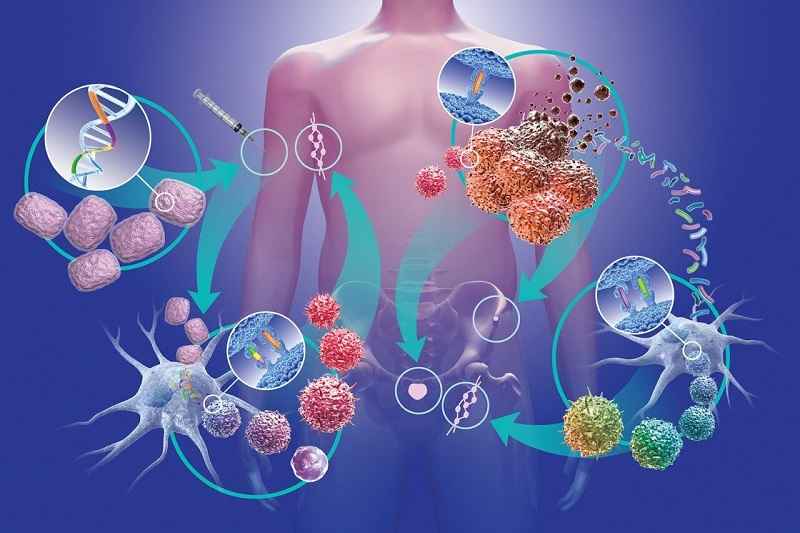
Not completely.
But treatment can often reduce risk or help detect precancerous changes earlier.
For example:
Treating hepatitis C can dramatically reduce liver complications.
Eradicating H. pylori can lower future gastric cancer risk.
Managing IBD inflammation and undergoing surveillance can help identify dysplasia.
Controlling obesity and metabolic dysfunction can improve multiple health outcomes.
Vaccination can prevent infections responsible for some cancers.
Cancer prevention isn't always about one dramatic intervention.
Often, it's about reducing risk little by little from several directions.
Some common medical conditions are associated with an increased risk of particular cancers, but that relationship needs to be interpreted carefully.
Barrett's esophagus can increase the risk of esophageal adenocarcinoma.
Chronic hepatitis B and C can increase the risk of liver cancer.
Long-standing inflammatory bowel disease involving the colon can increase colorectal cancer risk.
And obesity and metabolic dysfunction are associated with several different cancers.
None of these diagnoses means cancer is destined to occur.
Instead, they provide an opportunity.
Knowing that a condition increases risk allows doctors and patients to focus on treatment, prevention, surveillance, and earlier detection.
Cancer often develops quietly, which makes prevention and appropriate screening incredibly valuable.
But prevention shouldn't be driven by fear.
It should be driven by evidence.
Don't assume every chronic health condition is “precancerous.” Most aren't.
Instead, focus on the factors with meaningful evidence behind them:
Don't smoke.
Limit alcohol.
Maintain a healthy body weight when possible.
Stay physically active.
Eat a predominantly nutrient-rich, minimally processed diet.
Get recommended vaccines, including HPV and hepatitis B vaccination when appropriate.
Treat chronic infections and inflammatory diseases properly.
Participate in recommended cancer screening.
And if you already have a condition associated with increased cancer risk, don't wait for symptoms before discussing surveillance with your healthcare provider.
Higher risk does not mean inevitable cancer. In many cases, knowing about the risk early gives you more opportunities to do something about it.
Taking Ginger Every Day? 7 Health Conditions That May Require Extra Caution
Fatty Liver, High Bl00d Sugar, or Cholesterol? 3 Fruits Worth Adding to Your Diet
Low Potassium Can Affect More Than Your Muscles: 10 Signs to Know
Could It Be a Brain Aneurysm? Warning Signs You Should Know

What Really Happens When You Add Okra to Your Diet?

Can’t Stay Asleep Past 3 AM? These 4 Possible Causes May Explain Why

Waking Up Thirsty With a Dry Mouth? 10 Possible Reasons to Consider
What Happens When You Kiss Someone Who Is Dy.ing?

Healthy Juice Guide: Choose the Right Blend for Your Needs

If You Regularly Pee in the Shower, Here’s What You Should Know

What Your Nails May Be Telling You About Your Health After 40

Your Sleeping Position Matters More Than You Think — Here’s What Right-Side Sleeping May Do

Heel Pain After Resting? Here’s Why Your First Steps Can Hurt So Much

Most People Can Enjoy Okra — But These 3 Groups May Face Unexpected Risks
Changes in Urination? Here Are the Bladder Cancer Warning Signs to Know

Before Scheduling Your Colonoscopy, Here’s What You Should Discuss With Your Doctor… Check Below 👇

Feeling Overwhelmed? 9 Signs Stress May Be Affecting Your Body
Gallbladder Trouble? These Common Symptoms Are Worth Paying Attention To

Early Signs of Nasopharyngeal Can.cer That Are Often Easy to Miss
Taking Ginger Every Day? 7 Health Conditions That May Require Extra Caution
Fatty Liver, High Bl00d Sugar, or Cholesterol? 3 Fruits Worth Adding to Your Diet

A pair of patched shoes and a mother’s silent sacrifices became the greatest gift

Married to My Brother’s Killer


Low Potassium Can Affect More Than Your Muscles: 10 Signs to Know

Could It Be a Brain Aneurysm? Warning Signs You Should Know

Married before love is not about learning to love a stranger.

What Really Happens When You Add Okra to Your Diet?

Reborn after the Poisoned Wine
Can’t Stay Asleep Past 3 AM? These 4 Possible Causes May Explain Why

Waking Up Thirsty With a Dry Mouth? 10 Possible Reasons to Consider

She Discovered Her Fiancé Had Another Child
What Happens When You Kiss Someone Who Is Dy.ing?
Healthy Juice Guide: Choose the Right Blend for Your Needs