Avocado contains vitamin K, a nutrient involved in normal blood clotting. If you take warfarin, sudden major changes in your intake of vitamin-K-containing foods can affect anticoagulation management.
That does not necessarily mean you have to eliminate avocado completely. The important issue is often consistency in your dietary vitamin K intake and appropriate monitoring.
If you take warfarin or another medication that requires dietary monitoring, talk with your healthcare professional before making significant changes to how much avocado you eat.
4. People Who Have Been Told to Follow a Specific Therapeutic Diet
Some people may need to limit avocado because of an individualized medical diet—not because avocado is inherently unhealthy.
For example, someone with advanced kidney disease may have specific potassium requirements based on their blood tests, kidney function, medications, and dialysis treatment. The National Kidney Foundation notes that even people on dialysis may sometimes include avocado, depending on their individual potassium needs and portion sizes.
This is why it is better to follow your personal medical nutrition plan rather than automatically labeling avocado as “bad” for a particular disease.
So, Should You Stop Eating Avocados?
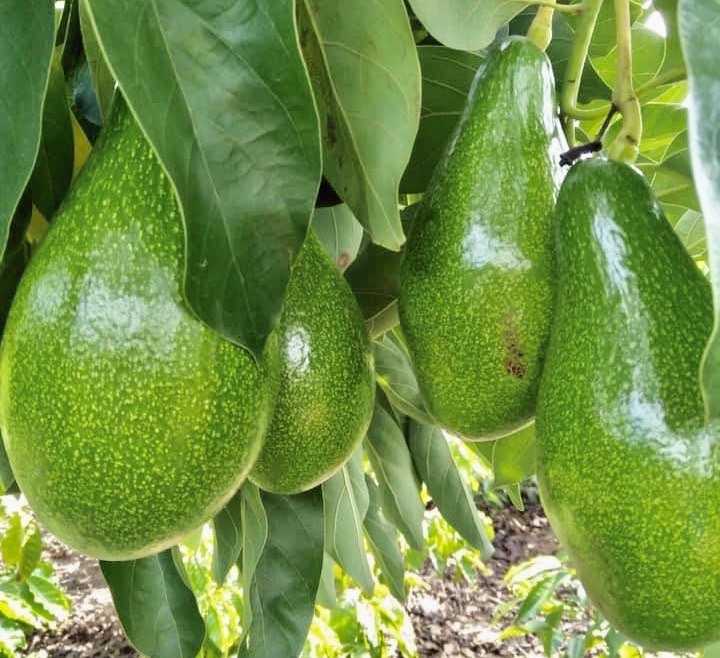
For most healthy people, there is no general reason to avoid avocados. They provide fiber, healthy monounsaturated fats, and a variety of nutrients.
The key is that a food can be healthy for one person but require modification for another.
If you have an avocado allergy, a medical condition requiring potassium restriction, take medication that requires dietary consistency, or have been prescribed a specialized diet, check with your doctor or dietitian before making avocado a daily habit.
Bottom line: Avocado isn't a “bad” food. But if you belong to one of these groups, the amount you eat—or whether you should eat it at all—may need to be personalized. 🥑
Sources
- National Kidney Foundation — Avocados and Kidney Disease
- National Kidney Foundation — High Potassium and Kidney Disease
- American Academy of Allergy, Asthma & Immunology — Food Allergy Practice Parameters
- National Kidney Foundation — Potassium in CKD Diet