4 Harmful Items in Your Refrigerator That Secretly "Nurture" Cancer Cells Without You Knowing
Here is a list of harmful items hiding in your refrigerator that may cause cancer. They should be eliminated as soon as possible.
Nowadays, modern households are equipped with many useful electronic appliances to support daily life, including refrigerators. Refrigerators are intended to preserve food and extend its freshness. However, there are unexpected risks associated with the items stored in them. Keeping food for too long or using low-quality containers for storage can become a health hazard.
Below is a "blacklist" of cancer-causing items in your refrigerator that you should remove as soon as possible.
4 Harmful Items in Your Refrigerator That May Cause Cancer
1. Low-Quality Plastic Containers and Plastic Wrap
Many families have the habit of storing food in plastic containers or wrapping it with plastic wrap before placing it in the fridge. This practice helps prevent odors and cross-contamination between foods.
However, not all containers are safe for refrigeration. Only polypropylene (PP, labeled as number 5) containers are generally stable and safe for this purpose. In contrast, low-quality plastic containers may release harmful substances into the food, increasing the risk of cancer.
The same applies to plastic wrap. Polyethylene (PE) plastic wrap is generally safe for use in refrigerators. However, polyvinyl chloride (PVC) plastic wrap is unsuitable for refrigeration. The plasticizers in PVC can leach into food, even at normal temperatures, and long-term accumulation of these substances increases cancer risk.
Since plastic containers and wraps are essential tools in food storage, it’s important to carefully read labels and instructions before purchasing. Opt for PP and PE materials, as they are relatively safer.
2. Salted and Cured Foods
Salted and cured foods, such as salted fish, bacon, and pickled vegetables, are flavorful and widely enjoyed. Many people assume these foods are safe and nonperishable due to their high salt content.
However, experts warn that consuming too much salt can lead to high blood pressure and an increased risk of cancer. During storage, these foods can produce nitrites and nitrates, which may cause esophageal and stomach cancer.
Additionally, high iodine levels in such foods can increase thyroid hormone production, potentially leading to conditions such as hyperthyroidism or thyroiditis, which in turn raise the risk of thyroid cancer.
3. Moldy Foods
Most people believe that refrigeration prevents mold growth. In reality, food stored in refrigerators for extended periods can still become moldy, particularly fruits and grains. Moldy food produces aflatoxin, a substance that can severely damage liver cells and is particularly carcinogenic.
4. Cooked Seafood
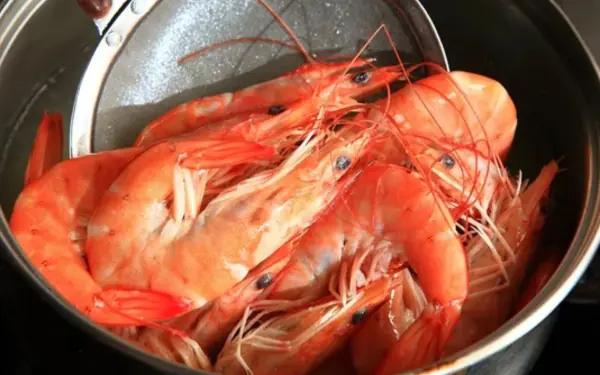
Seafood is a prized food item, and many families store leftover seafood in the refrigerator for later meals. While cooked seafood may appear harmless after being refrigerated overnight, nutrition expert Zhang Xin Yi from China advises that seafood is best consumed immediately after cooking.
Prolonged storage can degrade the quality of seafood. Additionally, the abundant protein in seafood may undergo changes, leading to liver and kidney damage in consumers.
Tips for a Healthier Refrigerator
Regularly check your refrigerator and remove any potentially harmful items. Opt for safe storage materials and consume perishable items promptly to minimize health risks.