Vitamin C, often praised for its immune-boosting properties, is more than just a remedy for seasonal colds. It plays a crucial role in a variety of health benefits, from improving skin health to supporting heart function. While many people turn to vitamin C supplements to fend off colds, it also has some hidden benefits that you may not be aware of. Here are four key reasons why you should pay closer attention to this powerful nutrient.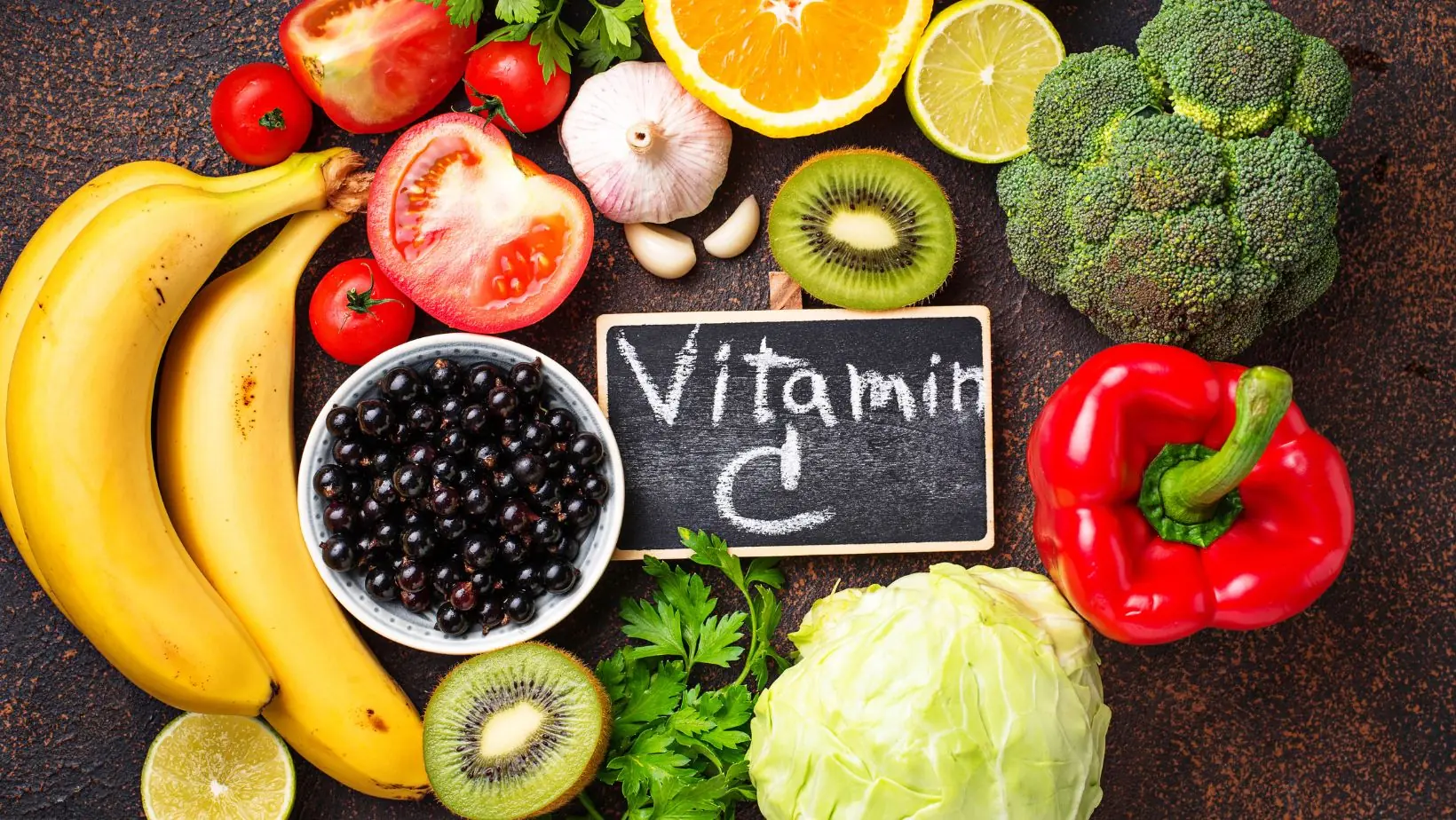
🌟 1. Improves Skin Health and Accelerates Wound Healing
Did you know that a vitamin C deficiency can lead to fragile skin and slow wound healing? This vitamin is essential for the production of collagen, a vital protein in the skin and connective tissue. When you lack sufficient vitamin C, your body struggles to maintain healthy collagen levels, which impacts the elasticity and appearance of your skin.
Vitamin C, along with vitamin E, works as a potent antioxidant to protect your skin from UV damage and environmental stress. This makes it vital for preventing premature aging and promoting a healthy, youthful complexion.
🌱 2. Strengthens Your Immune System
Vitamin C isn’t just good for skin; it also plays a key role in boosting your immune system. It enhances both innate and adaptive immunity, which are your body’s first lines of defense against pathogens. As an antioxidant, it protects healthy cells from oxidative damage, reducing inflammation and promoting overall immune health.
For athletes or anyone exposed to cold weather, consuming 200 mg of vitamin C daily has been shown to reduce the risk of catching a cold. For the general population, while it doesn’t prevent colds, it can shorten the duration and severity of symptoms.
❤️ 3. Reduces the Risk of Heart Disease
Oxidative stress is a leading cause of cardiovascular disease, and vitamin C's antioxidant properties make it a strong ally in preventing heart issues. Research suggests that vitamin C helps reduce blood pressure, LDL cholesterol, and triglyceride levels, which can ultimately lower the risk of heart disease.
A 2020 study found that supplementing with 500 mg of vitamin C daily was associated with significant reductions in blood pressure, which can protect against the development of heart disease. While more studies are needed to confirm these findings, vitamin C’s role in cardiovascular health is undeniable.
🍽️ 4. Enhances Iron Absorption for Better Energy
Vitamin C also plays a crucial role in the absorption of non-heme iron, the type of iron found in plant-based foods like beans, lentils, and leafy greens. If you struggle with iron deficiency, especially on a vegetarian or vegan diet, adding vitamin C to your meals can help increase iron absorption.
For instance, pairing iron-rich foods like beans or spinach with a serving of vitamin C-rich foods like bell peppers or citrus fruits can enhance your body’s ability to absorb iron, reducing the risk of anemia and boosting overall energy levels.
🥑 Foods High in Vitamin C
Incorporating vitamin C into your diet is easy when you know which foods to eat. Some great sources of vitamin C include:
-
Red bell peppers: 95 mg per ½ cup
-
Orange juice: 93 mg per ¾ cup
-
Oranges: 70 mg per medium fruit
-
Grapefruit juice: 70 mg per ¾ cup
-
Kiwi: 64 mg per medium fruit
-
Broccoli: 51 mg per ½ cup cooked
-
Strawberries: 49 mg per ½ cup sliced

📊 How Much Vitamin C Should You Be Getting?
The Recommended Dietary Allowance (RDA) for vitamin C varies by age, gender, and special conditions like pregnancy or breastfeeding. Here’s the breakdown:
-
0-6 months: 40 mg
-
7-12 months: 50 mg
-
1-3 years: 15 mg
-
4-8 years: 25 mg
-
9-13 years: 45 mg
-
14-18 years: 75 mg (male); 65 mg (female); 80 mg (pregnant); 115 mg (breastfeeding)
-
19+ years: 90 mg (male); 75 mg (female); 85 mg (pregnant); 120 mg (breastfeeding)
Note: Your body absorbs 70-90% of vitamin C when you consume 30-180 mg/day, but absorption drops below 50% when intake exceeds 1 gram/day.
💡 Is Vitamin C Safe?
Vitamin C is water-soluble, so your body excretes any excess, making toxicity quite rare. However, some research suggests that excessive vitamin C intake could lead to kidney stones, iron overload, and gastric upset. It’s also important to consult a doctor if you are undergoing chemotherapy, radiation therapy, or are on statin medications before supplementing with vitamin C.
🌿 Final Thoughts: The Power of Vitamin C
Vitamin C isn’t just a remedy for the common cold — it’s a powerhouse nutrient with wide-ranging benefits for your skin, immunity, heart, and energy levels. By including more vitamin C-rich foods in your daily meals, you can ensure that your body gets the support it needs to thrive. Whether you’re enjoying a juicy orange, adding bell peppers to your salad, or sipping on fresh kiwi juice, these small changes can lead to big health benefits.
Take care of your body, fuel it with nature’s vitamin C, and watch your overall wellness improve. Your body will thank you. 🌱