Lung cancer remains one of the most serious and life-threatening diseases worldwide. What makes it particularly dangerous is not just its severity, but how quietly it can develop. Many of its early symptoms are subtle, easy to dismiss, or mistaken for less serious conditions like a cold, fatigue, or minor respiratory issues.
Because of this, recognizing the early, often overlooked warning signs can make a significant difference. Early detection increases the chances of successful treatment and can potentially save lives.
Below are four hidden warning signs of lung cancer that should never be ignored.
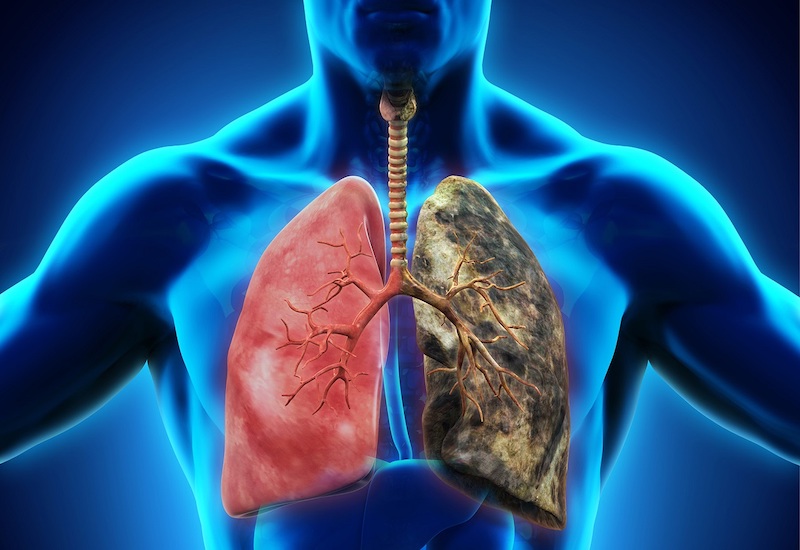
1. Persistent Cough That Doesn’t Go Away
A lingering cough is one of the most common early symptoms of lung cancer, yet it is often overlooked. Many people assume it’s due to seasonal allergies, air pollution, or a minor infection.
However, a cough that:
- Lasts more than 2–3 weeks
- Becomes progressively worse
- Changes in sound (deeper, hoarser)
may indicate something more serious.
In some cases, the cough may also produce mucus or even small amounts of blood. While occasional coughing is normal, a persistent or unusual cough should always be evaluated by a medical professional.
2. Shortness of Breath During Simple Activities
Feeling out of breath after intense exercise is normal—but struggling to breathe during everyday activities is not.
Early lung cancer can cause:
- Breathlessness when walking short distances
- Difficulty climbing stairs
- A feeling of tightness in the chest
This happens because tumors can block airways or reduce lung capacity. Many people attribute this symptom to aging, lack of fitness, or stress, which delays proper diagnosis.
If breathing suddenly feels harder than usual without a clear reason, it’s important to pay attention.

3. Unexplained Chest or Shoulder Pain
Pain in the chest, back, or shoulders is another subtle symptom that often gets ignored. People frequently associate this discomfort with muscle strain, poor posture, or fatigue.
However, lung cancer-related pain:
- May feel dull or constant
- Can worsen with deep breathing, coughing, or laughing
- Might radiate to the shoulders or back
This type of pain occurs when a tumor affects nearby nerves or tissues. Unlike typical muscle pain, it doesn’t improve with rest or simple remedies.
4. Unusual Fatigue and Unintended Weight Loss
Feeling tired occasionally is normal, especially with a busy lifestyle. But persistent, unexplained fatigue combined with weight loss can be a red flag.
Signs to watch for include:
- Constant exhaustion despite enough rest
- Sudden loss of appetite
- Noticeable weight loss without dieting
Cancer can alter the body’s metabolism and consume energy rapidly, leading to these symptoms. Because they are vague and non-specific, many people ignore them until the disease has progressed.
Why These Signs Are Often Missed
One of the biggest challenges with lung cancer is that its early symptoms mimic common, harmless conditions. People may delay seeking help because:
- The symptoms seem mild
- They appear gradually
- There is no pain in the early stages
Additionally, non-smokers may not consider themselves at risk, even though lung cancer can affect anyone.
When to Seek Medical Advice
If any of the symptoms above persist or worsen, it’s important to consult a healthcare professional. Early screening methods such as chest X-rays or CT scans can help detect abnormalities before the disease advances.
Key situations to act on:
- Symptoms lasting more than a few weeks
- Multiple symptoms appearing together
- Any coughing up of blood

Final Thoughts
Lung cancer doesn’t always announce itself loudly. In many cases, it starts quietly—with small, easily ignored changes in the body.
That’s why awareness is critical. Paying attention to subtle warning signs like a persistent cough, shortness of breath, unexplained pain, or ongoing fatigue can make a life-changing difference.
Listening to your body is not overreacting—it’s being proactive.