Many people wake up with minor health complaints from time to time—a dry throat, a lingering cough, or feeling slightly short of breath after a poor night's sleep. In most cases, these symptoms are caused by relatively common conditions such as allergies, viral infections, acid reflux, or asthma. However, when certain symptoms persist, worsen over time, or occur alongside other warning signs, they may warrant medical evaluation.
Lung cancer is one of the most common cancers worldwide, and early detection can significantly improve treatment options and outcomes. It's important to remember that no morning symptom alone can diagnose lung cancer. Many lung conditions—including chronic obstructive pulmonary disease (COPD), pneumonia, asthma, bronchitis, and interstitial lung disease—can produce similar symptoms.
Understanding which symptoms deserve attention can help you know when to seek professional medical advice.
Here are four morning symptoms that may be associated with lung cancer or other lung conditions.
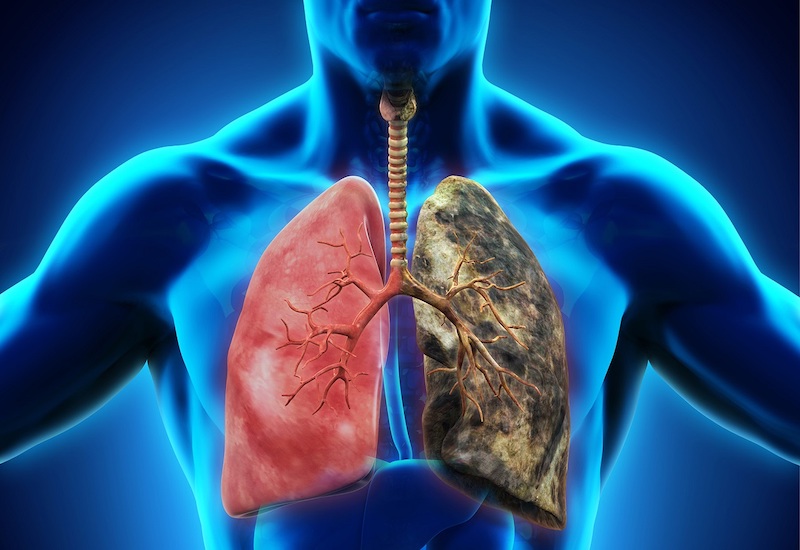
Why Symptoms May Be More Noticeable in the Morning
Many respiratory symptoms become more apparent after waking because:
-
Mucus naturally accumulates overnight.
-
Airways may become more irritated while lying down.
-
Acid reflux during sleep can irritate the throat.
-
Overnight dehydration can thicken mucus.
-
People often notice symptoms more clearly before beginning daily activities.
While occasional morning symptoms are common, persistent or worsening symptoms should not be ignored.
1. A Persistent Morning Cough
A cough that continues for more than three weeks, especially one that gradually worsens, deserves medical evaluation.
While lung cancer is one possible cause, a persistent cough is far more commonly linked to:
-
Viral infections
-
Allergies
-
Asthma
-
Chronic bronchitis
-
Smoking
-
Gastroesophageal reflux disease (GERD)
-
Postnasal drip
However, a cough associated with lung cancer may have certain characteristics.
Possible Features
-
Lasts for several weeks or months
-
Changes from a chronic "smoker's cough"
-
Becomes progressively worse
-
Produces blood (hemoptysis)
-
Is accompanied by chest discomfort
Even if the cause is not cancer, a persistent cough should always be evaluated by a healthcare professional.
Why Morning Coughs Happen
Overnight, mucus can collect in the airways.
When you first get out of bed, coughing helps clear these secretions.
People with chronic lung diseases often notice coughing is most severe shortly after waking.
2. Coughing Up Blood or Rust-Colored Mucus
Although small amounts of blood may occasionally occur because of severe coughing or irritation, coughing up blood should never be ignored.
Possible causes include:
-
Lung infections
-
Bronchitis
-
Pneumonia
-
Tuberculosis
-
Pulmonary embolism
-
Lung cancer
-
Bronchiectasis
The blood may appear:
-
Bright red
-
Pink
-
Rust-colored
-
Mixed with mucus
Even a small amount should prompt prompt medical evaluation, particularly if it recurs.
Why It Can Occur in the Morning
Overnight mucus accumulation may make blood more noticeable when coughing after waking.
This symptom requires professional assessment regardless of the time of day.
3. Shortness of Breath After Waking
Feeling unusually short of breath while getting out of bed or performing simple morning activities may signal an underlying lung or heart condition.
Possible causes include:
-
Asthma
-
COPD
-
Pneumonia
-
Heart failure
-
Obesity
-
Sleep apnea
-
Pulmonary fibrosis
-
Lung cancer
Symptoms may include:
-
Difficulty taking a deep breath
-
Rapid breathing
-
Chest tightness
-
Reduced exercise tolerance
Sudden, severe shortness of breath is a medical emergency and requires immediate care.
Why It May Be Worse in the Morning
Several factors may contribute:
-
Overnight mucus buildup
-
Airway inflammation
-
Poor sleep quality
-
Sleep apnea
-
Acid reflux irritating the airways
Persistent breathlessness should not be dismissed as simply "getting older."
4. Chest Pain or Persistent Hoarseness Upon Waking
Chest Pain
Chest discomfort may have many causes, including:
-
Muscle strain
-
Acid reflux
-
Pneumonia
-
Heart disease
-
Lung inflammation
-
Lung cancer
Pain associated with lung conditions may worsen during:
-
Deep breathing
-
Coughing
-
Laughing
Persistent chest pain always deserves medical evaluation.
Persistent Hoarseness
Hoarseness lasting longer than two to three weeks may occur when the vocal cords become irritated.
Possible causes include:
-
Viral infections
-
Acid reflux
-
Smoking
-
Vocal overuse
-
Thyroid conditions
-
Lung cancer affecting nearby nerves
A healthcare professional can determine the underlying cause through appropriate evaluation.
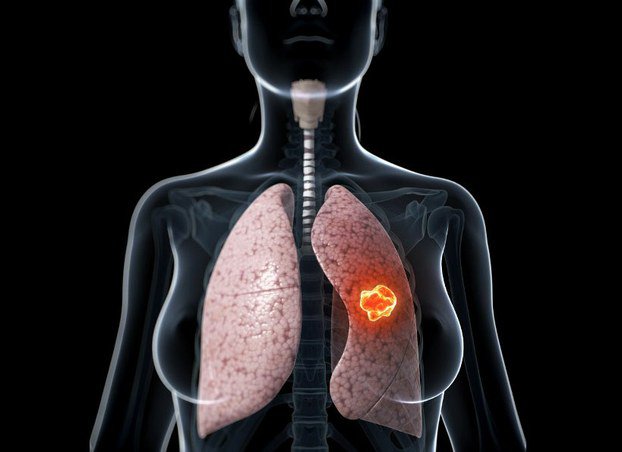
Other Symptoms That May Occur Alongside These Signs
Although this article focuses on morning symptoms, lung cancer and other respiratory diseases may also cause:
-
Unexplained weight loss
-
Fatigue
-
Wheezing
-
Frequent chest infections
-
Loss of appetite
-
Shoulder pain
-
Persistent back pain
-
Swollen lymph nodes
-
Bone pain in advanced disease
Most of these symptoms have many possible causes besides cancer.
Common Risk Factors for Lung Cancer
Not everyone who develops lung cancer has a history of smoking, but certain factors increase risk.
These include:
-
Cigarette smoking
-
Secondhand smoke exposure
-
Radon gas exposure
-
Occupational exposure to asbestos, silica, or diesel exhaust
-
Air pollution
-
Family history of lung cancer
-
Previous radiation therapy to the chest
Smoking remains the leading preventable risk factor.
Other Conditions That Can Cause Similar Symptoms
Many common illnesses can mimic the symptoms of lung cancer.
Examples include:
Chronic Bronchitis
Often causes:
-
Daily cough
-
Morning mucus
-
Wheezing
-
Shortness of breath
Asthma
May produce:
-
Morning coughing
-
Wheezing
-
Chest tightness
-
Shortness of breath
Symptoms often fluctuate over time.
COPD
Chronic obstructive pulmonary disease frequently causes:
-
Persistent cough
-
Excess mucus
-
Breathlessness
-
Reduced exercise tolerance
Smoking is a major risk factor.
Pneumonia
Symptoms may include:
-
Fever
-
Productive cough
-
Chest pain
-
Fatigue
-
Difficulty breathing
Prompt treatment is important.
Gastroesophageal Reflux Disease (GERD)
Acid reflux during sleep may lead to:
-
Morning cough
-
Hoarseness
-
Sore throat
-
Throat clearing
How Doctors Evaluate Persistent Lung Symptoms
If symptoms persist, a healthcare provider may recommend:
-
Medical history and physical examination
-
Chest X-ray
-
CT scan
-
Pulmonary function tests
-
Blood tests
-
Sputum analysis
-
Bronchoscopy in selected cases
-
Biopsy if necessary
The appropriate tests depend on your symptoms and risk factors.
When Should You Seek Medical Care?
Schedule a medical appointment if you experience:
-
A cough lasting more than three weeks
-
Recurrent coughing up blood
-
Persistent shortness of breath
-
Ongoing chest pain
-
Hoarseness lasting longer than two to three weeks
-
Frequent lung infections
-
Unexplained weight loss
-
Fatigue that does not improve
Early evaluation may help identify treatable conditions before they become more serious.
Emergency Warning Signs
Seek emergency medical care immediately if you develop:
-
Severe difficulty breathing
-
Large amounts of blood when coughing
-
Sudden chest pain with shortness of breath
-
Blue lips or fingertips
-
Loss of consciousness
-
Confusion or severe weakness
These symptoms require urgent medical attention.
Tips for Supporting Lung Health
Although not all lung diseases can be prevented, these habits may help support respiratory health:
-
Avoid smoking and vaping.
-
Stay physically active.
-
Eat a balanced diet rich in fruits and vegetables.
-
Reduce exposure to secondhand smoke.
-
Improve indoor air quality.
-
Follow workplace safety precautions around dust and chemicals.
-
Stay up to date with recommended vaccinations, such as influenza and pneumococcal vaccines when appropriate.
-
Manage chronic conditions such as asthma or COPD according to your healthcare provider's advice.
Common Myths About Lung Cancer Symptoms
Myth 1: Only Smokers Get Lung Cancer
False.
Although smoking is the leading risk factor, lung cancer can also occur in people who have never smoked.
Myth 2: A Morning Cough Always Means Lung Cancer
False.
Most persistent coughs are caused by non-cancerous conditions such as infections, asthma, allergies, or GERD.
Myth 3: If You Feel Fine During the Day, Morning Symptoms Don't Matter
False.
Symptoms that consistently recur in the morning and persist over time deserve medical evaluation.
Myth 4: Lung Cancer Always Causes Pain Early On
False.
Early-stage lung cancer often causes few or no symptoms, which is why screening may be recommended for certain high-risk individuals.
Myth 5: Coughing Up a Small Amount of Blood Isn't Serious
False.
Even a small amount of blood in your sputum should be assessed by a healthcare professional.
.jpg)
Final Thoughts
Morning symptoms such as a persistent cough, coughing up blood, shortness of breath, and chest pain or ongoing hoarseness may be associated with a wide range of lung conditions, from relatively common illnesses like asthma, bronchitis, and acid reflux to more serious conditions, including lung cancer.
While these symptoms do not automatically mean you have cancer, they should not be ignored if they are persistent, worsening, or accompanied by other concerning signs. Paying attention to changes in your respiratory health and seeking timely medical evaluation can help identify the underlying cause and allow for earlier treatment when necessary.
If you have ongoing respiratory symptoms - especially if you smoke or have other risk factors—talk to your healthcare provider about the most appropriate next steps.