
This Powerful Superfood May Help Support Your Health in Surprising Ways — Here’s What to Know
Health 18/05/2026 10:57
6-Year-Old Son Woke Up Having a Stroke: A Doctor Emphasizes 4 Critical Signs Parents Must Recognize to Save a Child’s Life
When most people hear the word stroke, they immediately think of older adults — high blood pressure, diabetes, long-term smoking. Almost no one imagines a small child.
But here’s the reality that hits hard: stroke can happen at any age — even in children.
A 6-year-old boy waking up unable to move one side of his body is not just a rare medical story. It is a reminder that early recognition is everything. In pediatric stroke, minutes matter.
Many parents dismiss early symptoms because they seem “too serious” for a child. That delay can cost brain tissue.
Let’s talk clearly and precisely about what every parent needs to understand.
Yes.
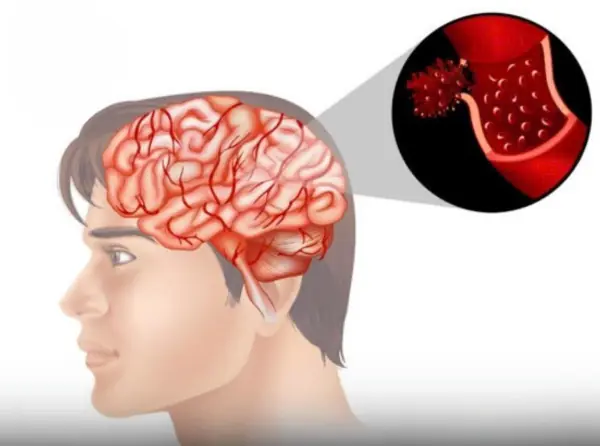
Pediatric stroke occurs when blood flow to a part of the brain is interrupted, either by a clot (ischemic stroke) or bleeding (hemorrhagic stroke). Though less common than adult stroke, it is not negligible.
Risk factors in children may include:
Congenital heart defects
Blood clotting disorders
Infections
Head or neck trauma
Sickle cell disease
Certain inflammatory conditions
Unlike adults, children may not have obvious cardiovascular risk factors. That makes recognition even more difficult.
Brain cells begin to die within minutes when deprived of oxygen. The longer treatment is delayed, the higher the risk of:
Permanent neurological deficits
Speech impairment
Cognitive difficulties
Seizure disorders
Long-term disability
The tragedy is that many early symptoms are subtle — and easily mistaken for fatigue, migraine, or simple clumsiness.
That is why doctors emphasize recognizing key warning signs immediately.

 4
4
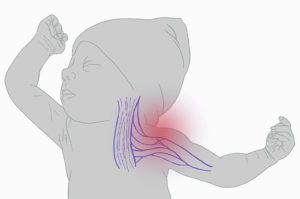
This is often the most obvious sign.
Watch for:
One side of the face drooping
One arm or leg appearing weak
Child unable to lift both arms evenly
Difficulty holding objects
If a child suddenly cannot use one side of their body normally, this is a medical emergency.
Do not wait to see if it “gets better.”
 4
4
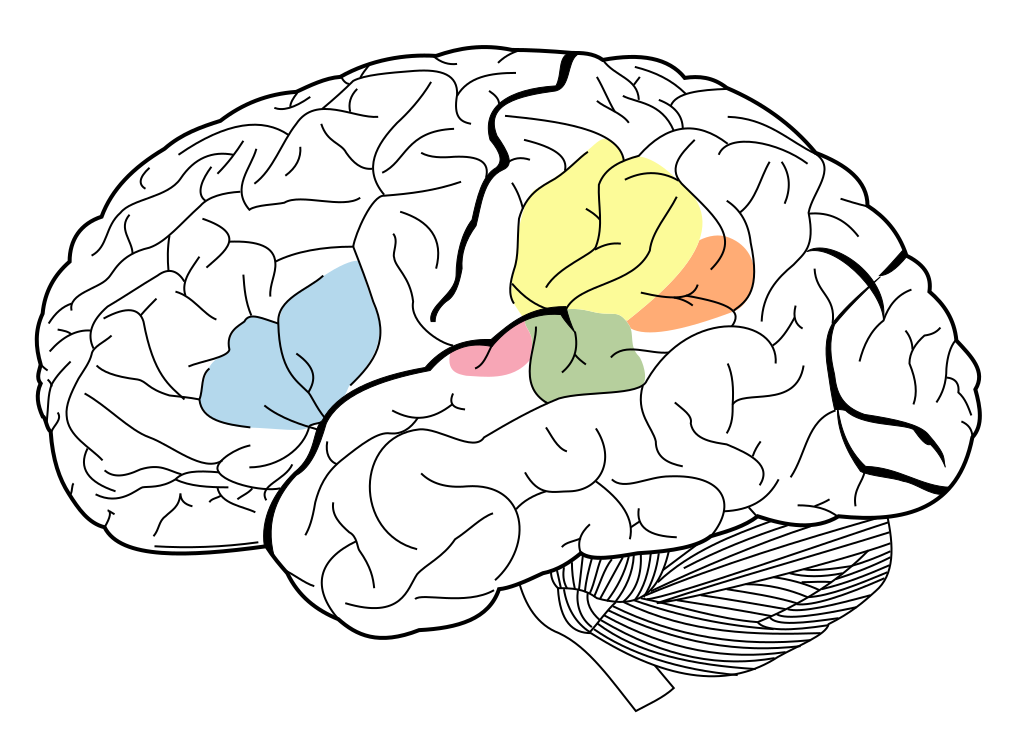
Language disruption can be subtle in children.
Look for:
Slurred speech
Trouble forming words
Sudden confusion
Not responding appropriately
Difficulty understanding simple instructions
In young children who are still developing language, this may appear as sudden regression.
Parents may think the child is tired or being inattentive — but sudden speech disturbance should never be ignored.


 4
4
Children do get headaches. But stroke-related headache is typically:
Sudden
Severe
Different from usual patterns
If accompanied by vomiting, neck stiffness, or altered consciousness, seek emergency care immediately.
Hemorrhagic strokes in children may present this way.
 4
4
The child may:
Complain of blurry or double vision
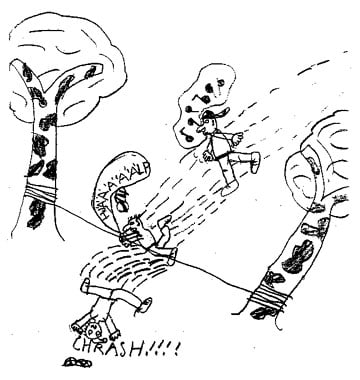
Suddenly stumble or lose balance
Appear dizzy
Have difficulty walking
Young children may not clearly describe vision changes, so behavioral cues matter.
If coordination changes abruptly, assume neurological cause until proven otherwise.
Even in children, the FAST rule applies:
F – Face drooping
A – Arm weakness
S – Speech difficulty
T – Time to call emergency services
Do not drive long distances hoping it will resolve. Call emergency services immediately.
The biggest barrier is disbelief.
Parents think:
“He’s too young.”
“It’s probably a migraine.”
“He just slept wrong.”
Emergency departments sometimes misattribute symptoms to viral illness or dehydration.
Because pediatric stroke is rare, it is not always the first suspected diagnosis.
But rarity does not mean impossibility.
Depending on the cause, treatment may include:
Clot-dissolving medication
Surgical intervention
Anticoagulation therapy
Management of underlying conditions
Early intervention significantly improves outcomes.
Children’s brains have remarkable plasticity — but that does not eliminate the need for urgent care.
With early detection and rehabilitation, many children can recover significant function. Neuroplasticity in young brains allows for reorganization of neural pathways.
However, delayed treatment increases the risk of:
Motor impairment
Learning disabilities
Behavioral challenges
Epilepsy
The difference between early and late intervention can define a lifetime.
Stroke in children is uncommon — but real.
If a child suddenly shows:
One-sided weakness
Speech problems
Severe headache
Vision or balance disturbances
Treat it as an emergency.
Do not self-diagnose.
Do not wait for improvement.
Do not underestimate symptoms.
Because when it comes to the brain, time is not just money — it is neurons.
Early recognition can save function.
Rapid action can save a future.
Awareness can save a life.



4 Reasons Your Va.ginal Odor May Seem More Sour Than Usual



Sweet Potatoes Are Packed With Nutrients — Here Are 7 Benefits

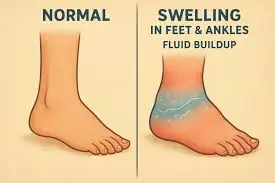
If Your Feet Are Swollen, Your Body May Be Sending a Warning Sign
If Nighttime Urination Becomes Frequent, It May Be Time for a Health Check-Up

Heart Attacks May Be Preceded by These 5 Important Warning Signs

Is It Safe to Sleep With a Bra On? Here’s What Research Suggests

Early Bladder C.a.ncer Symptoms Can Be Subtle — Here’s What to Know
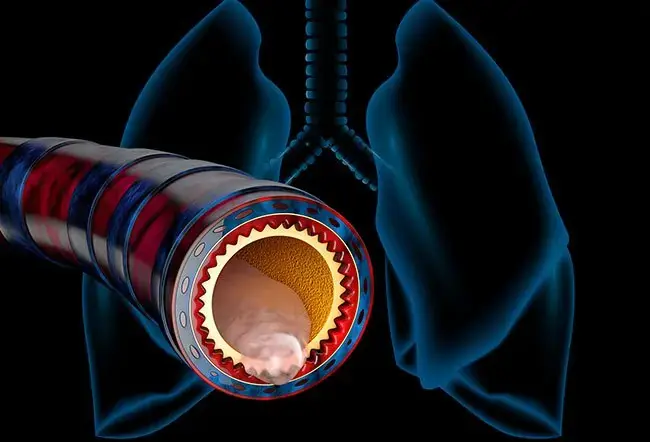
How to Naturally Relieve Chest Congestion and Excess Mucus

Doctors reveal what may really happen when you eat bananas at night 👀

4 Reasons Your Va.ginal Odor May Seem More Sour Than Usual
Sweet Potatoes Are Packed With Nutrients — Here Are 7 Benefits
If Your Feet Are Swollen, Your Body May Be Sending a Warning Sign
If Nighttime Urination Becomes Frequent, It May Be Time for a Health Check-Up
Heart Attacks May Be Preceded by These 5 Important Warning Signs

Noticed Red Dots on Your Skin? Here’s What Could Be Behind Them
Is It Safe to Sleep With a Bra On? Here’s What Research Suggests

11 Powerful Benefits of Mangoes Backed by Nutrition Experts