4 Signs Your Elderly Parent May Be Approaching the Final Stage of Life
Watching a parent grow older is never easy. But there are moments when subtle changes begin to feel different—quieter, deeper, more permanent.
Sometimes, the body gives signs that it is slowly preparing to let go.
Understanding these signs doesn’t mean giving up hope—it means being present, aware, and ready to offer comfort and love when it matters most.
1. Extreme Fatigue and Increased Sleeping


6
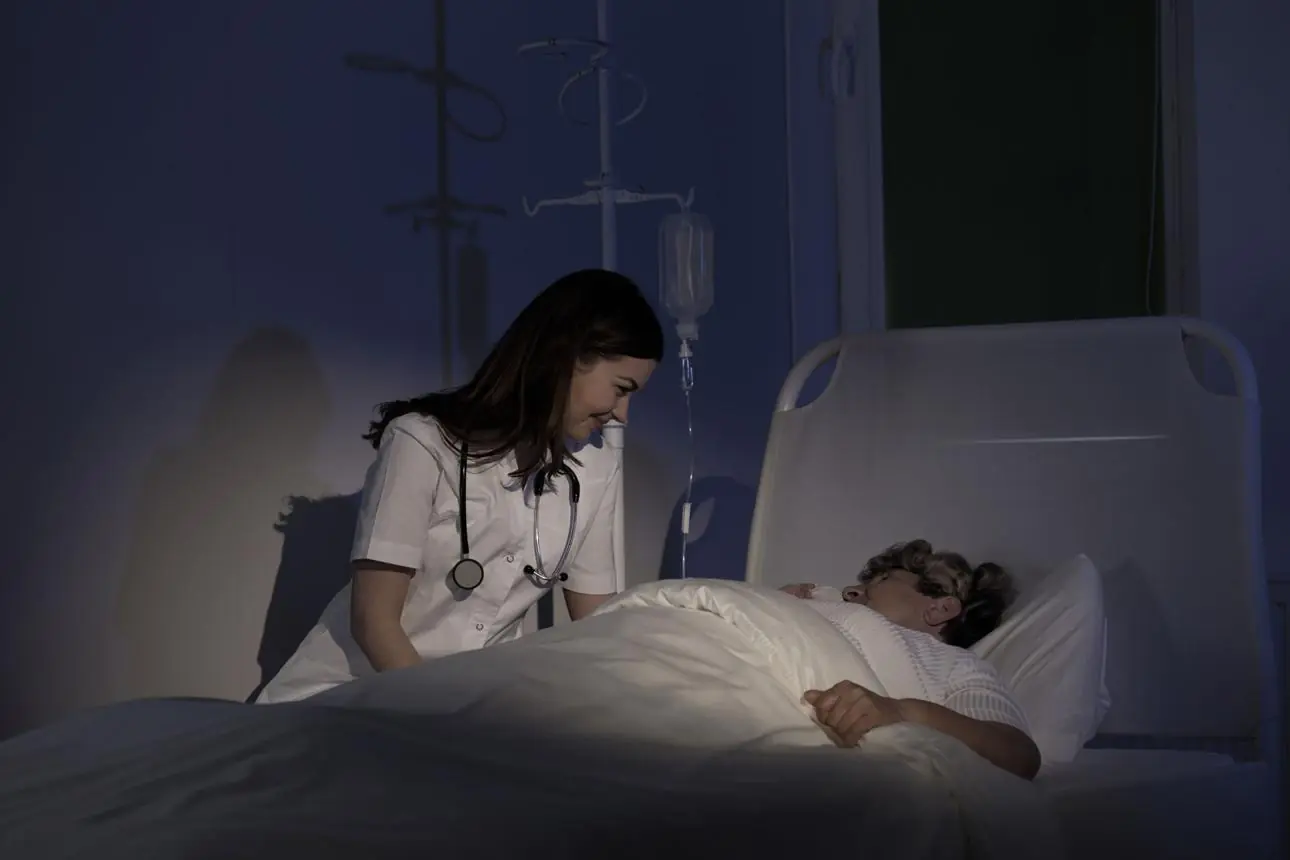
One of the earliest and most noticeable signs is profound fatigue.
Your parent may:
- Sleep most of the day
- Have little energy to talk or move
- Lose interest in daily activities
This happens because the body is gradually conserving energy. Systems begin to slow down, and rest becomes the priority.
2. Loss of Appetite and Reduced Thirst
6
You may notice they:
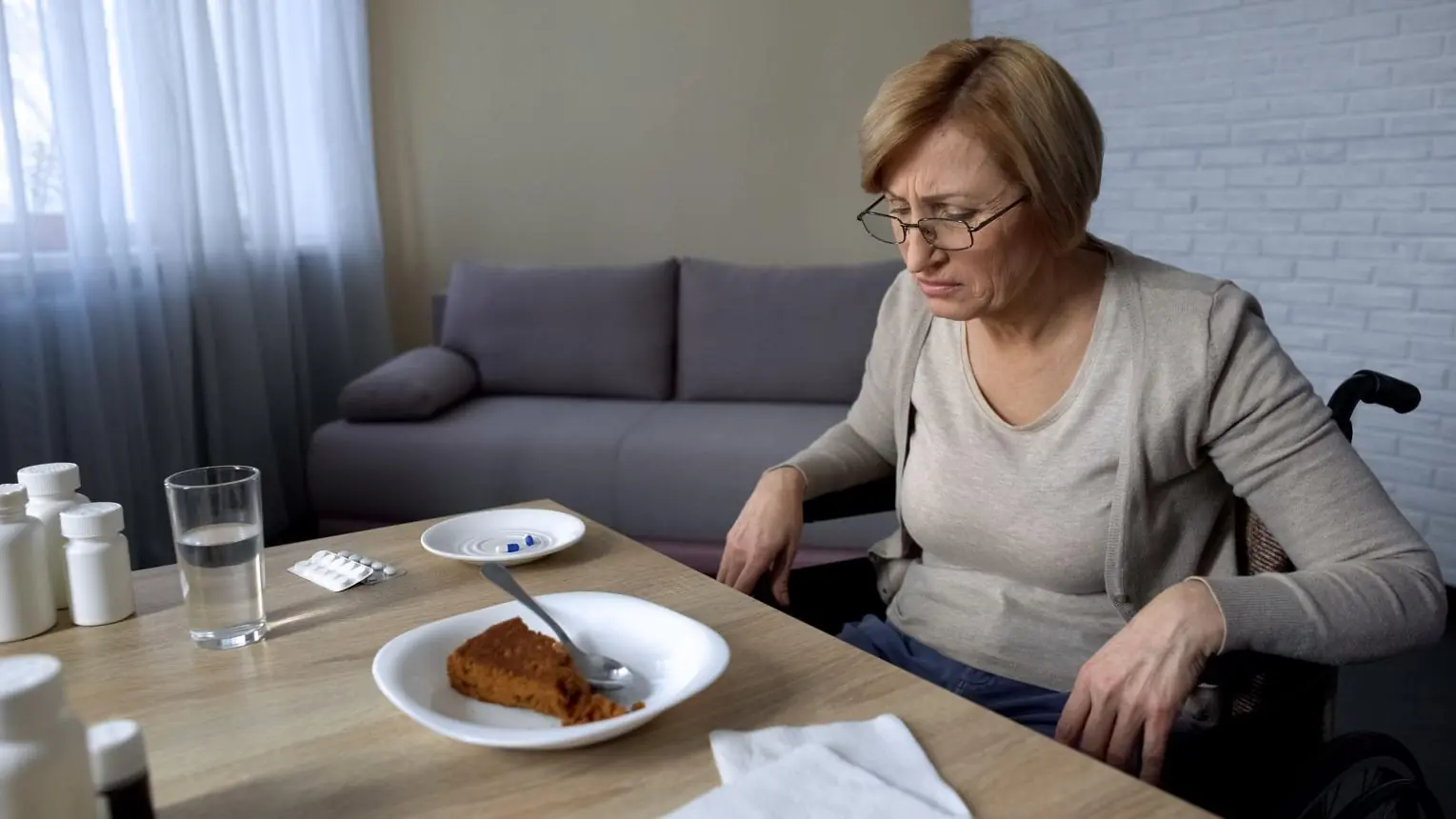
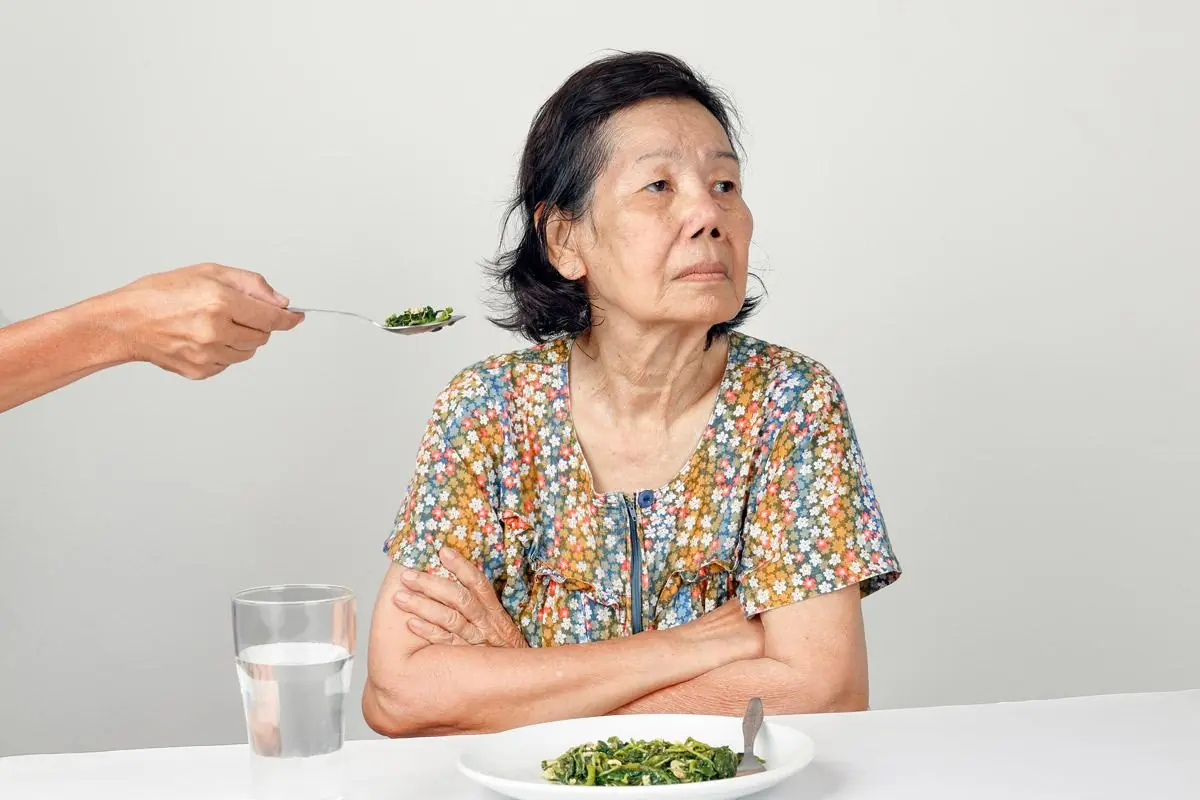
- Eat very little or refuse food
- Drink less water
- Show no interest in meals they once loved
This is a natural part of the body shutting down. Digestion requires energy, and at this stage, the body no longer demands it the same way.
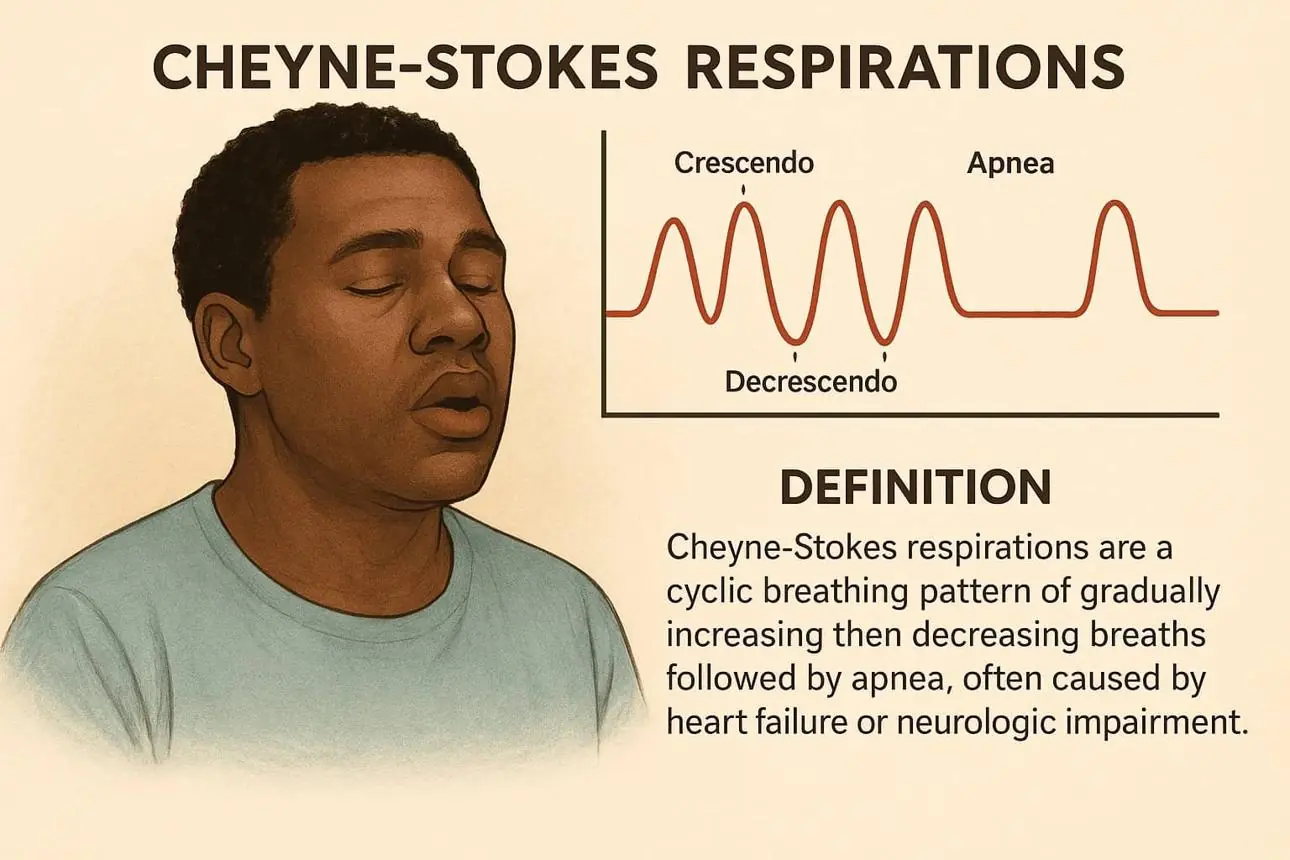
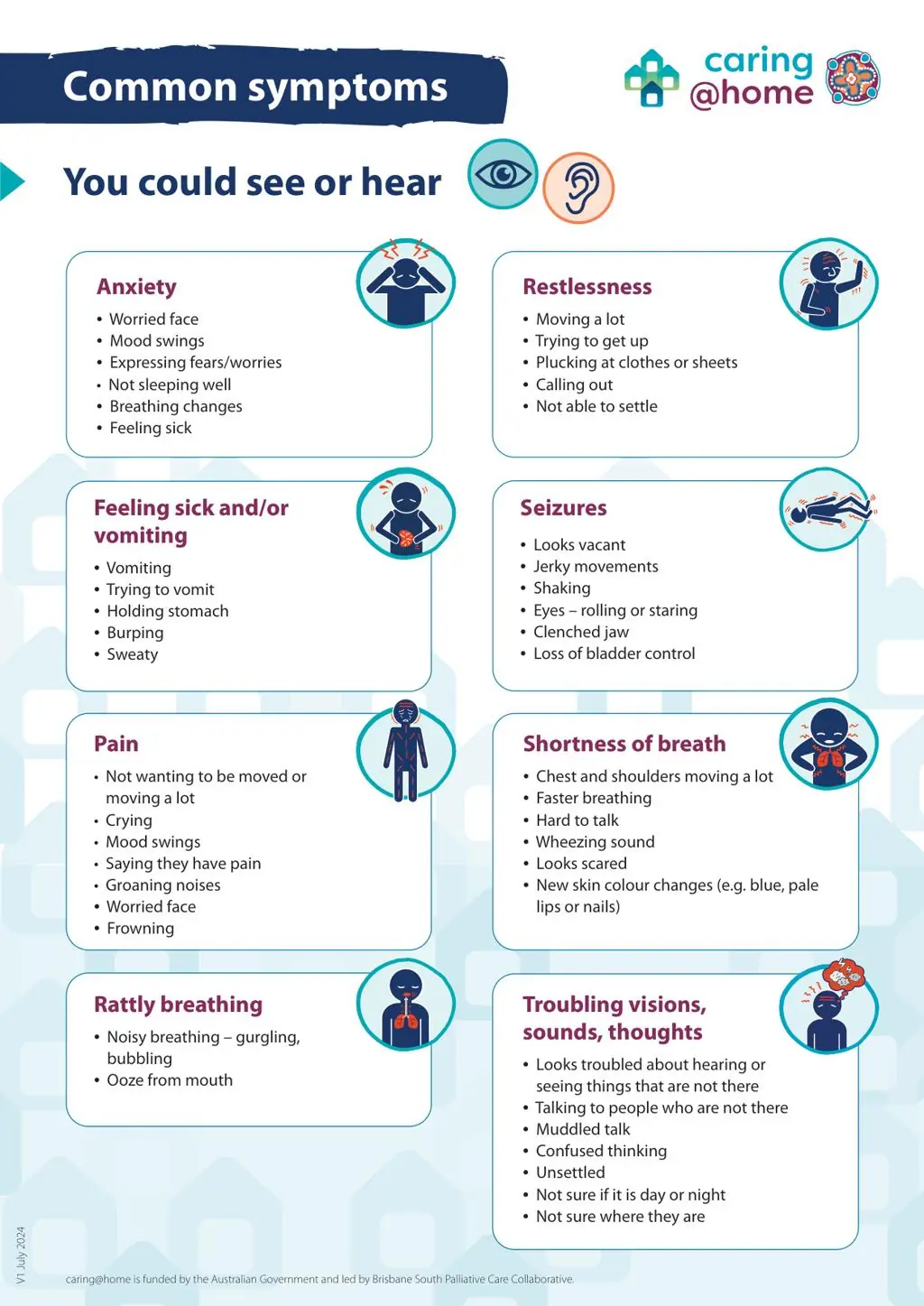
3. Changes in Breathing Patterns
6
Breathing may become:
- Irregular
- Shallow or labored
- Interrupted by pauses
This is often known as end-of-life breathing patterns, and it can be distressing to witness—but it is a natural physiological process.
4. Withdrawal and Reduced Awareness


7
Your parent may begin to:
- Speak less or not at all
- Seem distant or unresponsive
- Spend more time in silence
This doesn’t always mean they don’t feel your presence. In fact, hearing is often one of the last senses to remain.
What You Can Do During This Time
This stage is not about fixing—it’s about being there.
- Hold their hand
- Speak gently, even if they don’t respond
- Keep them comfortable
- Play familiar music or talk about memories
Your presence matters more than anything else.
A Gentle Reminder
Not every person will experience all these signs, and the timing can vary greatly. These changes don’t always mean the end is immediate—but they often indicate that the body is entering its final phase.
Final Thoughts
Facing this reality is incredibly difficult. But within it lies something deeply meaningful: the chance to love, to comfort, and to say what truly matters.
Sometimes, the most powerful thing you can do is simply st
Sometimes, the Most Powerful Thing You Can Do Is Simply Stay
When a parent reaches the final stage of life, there may be very little that family members can do to change the physical process taking place. Medical treatments may no longer be able to reverse the underlying illness, and everyday activities that once seemed effortless may become exhausting.
But this does not mean there is nothing left to give.
A quiet presence, a gentle touch, a familiar voice, and the reassurance that they are not alone can become incredibly meaningful. Even when a parent cannot respond, family members can continue speaking to them with kindness and affection.
You do not need to find perfect words. Sometimes, saying "I'm here with you," "I love you," or "Thank you for everything" is enough.
For many families, these final moments are not defined by dramatic conversations. They are made up of small gestures: adjusting a pillow, moistening dry lips, holding a hand, or sitting quietly beside the bed.
These simple acts of care can help preserve a sense of dignity and connection during an emotionally difficult time.
5. Changes in Skin Color and Body Temperature
Another change that may occur as the body approaches death is a difference in skin temperature and appearance.
You may notice that your parent's hands, feet, fingers, or toes feel colder than usual. Their skin may appear pale, bluish, or slightly purple in certain areas. In some cases, irregular patches of darker or mottled skin develop, particularly around the knees, feet, and lower legs.
These changes can happen because circulation becomes weaker. As the heart and other organs gradually lose their ability to maintain normal blood flow, less warm blood may reach the extremities.
The body may also have more difficulty regulating its temperature. A person might feel cold even when the room is comfortable, or their skin may feel cool to the touch.
For family members, these changes can be frightening. However, cold hands and feet do not necessarily mean that a person is experiencing pain or distress.
You can help by:
-
Keeping the room at a comfortable temperature
-
Covering your parent with a soft, lightweight blanket
-
Using comfortable clothing and clean bedding
-
Avoiding direct heat from hot-water bottles or heating pads
-
Checking that blankets are not too heavy or restrictive
Very hot objects can burn fragile skin, particularly when circulation and sensation are reduced. Gentle warmth is usually safer than intense heat.
It is also important to remember that these changes are not reliable ways to predict exactly when death will occur. Cold extremities and changes in skin color can happen in different medical conditions, including circulation problems, infection, and shock. If these changes are sudden or unexpected, contact a healthcare professional.
6. Reduced Urination and Changes in Kidney Function
As the body becomes weaker, some people approaching the end of life produce much less urine.
Family members may notice that their parent visits the bathroom less often, uses fewer incontinence pads, or produces only small amounts of dark-colored urine.
There are several possible reasons for this. Reduced food and fluid intake can mean that the kidneys have less fluid to process. In advanced illness, circulation to the kidneys may also decrease, affecting their ability to function normally.