4 Types of Water That Help Reduce the Risk of Kidney Stones — What You Should Be Drinking
Kidney stones are a common and painful condition affecting millions of people worldwide. They form when minerals and salts in the urine become concentrated, crystallize, and stick together. While genetics and diet play a role, hydration is the single most important factor in both preventing kidney stones and reducing recurrence.
Not all water, however, supports kidney health in the same way. Some types of water can help dilute urine, reduce mineral buildup, and support smoother kidney function. Others may be less effective or even counterproductive if consumed incorrectly.
Here are four types of water that can help support kidney health and lower the risk of kidney stones — when used properly.
1. Plain Drinking Water (The Most Important One)
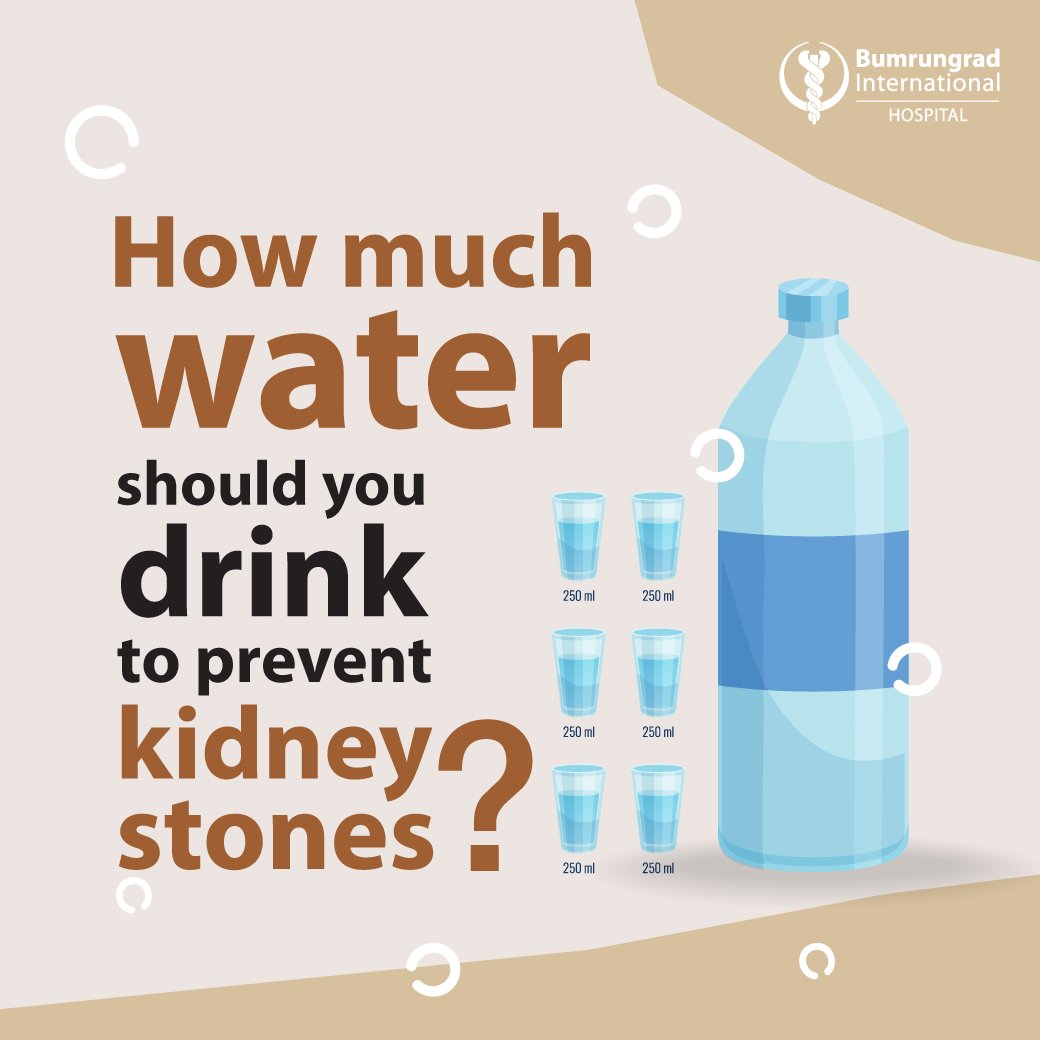
Plain water is the foundation of kidney stone prevention. Its primary role is to increase urine volume, which dilutes stone-forming substances like calcium, oxalate, and uric acid.
When urine is concentrated, minerals are more likely to crystallize. Drinking enough plain water throughout the day helps flush these substances before stones can form.
Most kidney specialists recommend:
-
Drinking enough water to produce clear or pale-yellow urine
-
Spreading water intake evenly throughout the day
-
Increasing intake during hot weather or physical activity
No fancy water replaces consistency. Plain water remains the most effective and accessible option.


2. Lemon Water (Citrate Support)
Lemon water is often recommended for people prone to kidney stones — and for good reason. Lemons are high in citrate, a natural compound that helps prevent calcium stones from forming.
Citrate works by:
-
Binding with calcium in urine
-
Preventing crystals from sticking together
-
Making urine less favorable for stone growth
Adding fresh lemon juice to water (not bottled lemon drinks with sugar) can increase urinary citrate levels naturally. This is especially helpful for people who form calcium oxalate stones.
A common approach is:
-
Fresh lemon juice + water
-
No added sugar
-
Consumed once or twice daily



3. Mineral Water (Used Carefully)
Certain mineral waters contain calcium and magnesium, which may help reduce oxalate absorption in the gut. When calcium binds to oxalate in the digestive system, less oxalate reaches the kidneys — lowering stone risk.
However, not all mineral waters are the same. Some are high in sodium, which can increase calcium excretion in urine, raising stone risk.
Mineral water may be helpful if:
-
Sodium content is low
-
Consumed in moderation
-
Balanced with plain water intake
People with a history of calcium stones should always check mineral labels or consult a healthcare provider before regular use.


4. Herbal Infusion Water (Unsweetened)
Certain herbal infusions, when used correctly, can support hydration and urinary flow. Mild herbal waters such as:
-
Barley water
-
Corn silk tea
-
Dandelion leaf tea
are traditionally used to promote urine production and reduce fluid retention. Increased urine flow helps prevent mineral buildup in the kidneys.
Important note:
-
These should be unsweetened
-
They should not replace plain water
-
They are supportive, not curative
People with kidney disease or on medication should consult a healthcare provider before using herbal infusions regularly.



What These Waters Do Not Do
It’s important to be clear:
-
They do not dissolve large existing stones
-
They do not replace medical treatment
-
They do not guarantee stones will never form
Water supports prevention and helps reduce recurrence — but stone type, diet, and medical history matter.
Waters and Drinks to Be Careful With
To protect kidney health, limit:
-
Sugary soft drinks
-
Excessive soda (especially colas)
-
Very salty beverages
-
Energy drinks
These can increase stone-forming compounds or reduce effective hydration.
Why Consistency Matters More Than Type
Many people focus on what water they drink but forget how often. Drinking large amounts occasionally is less effective than steady hydration throughout the day.
Kidneys function best when:
-
Urine remains diluted consistently
-
Fluids are spread from morning to evening
-
Nighttime dehydration is avoided
Hydration is a daily habit, not a quick fix.
When to See a Doctor
Seek medical advice if you experience:
-
Severe back or side pain
-
Blood in urine
-
Recurrent kidney stones
-
Fever or infection symptoms
Proper imaging and urine analysis are essential for determining stone type and prevention strategy.
Final Thoughts
There is no “magic water” that cures kidney stones, but smart hydration choices can dramatically lower risk. Plain water remains the most powerful tool, while lemon water, low-sodium mineral water, and gentle herbal infusions can offer additional support.
Protecting your kidneys isn’t about extremes — it’s about consistency, balance, and listening to your body.
Your kidneys work 24/7. Supporting them starts with what you drink every day.