
Which Egg Comes From a Healthy Hen? What Egg Yolk Color Really Tells You
Egg yolk color alone cannot determine freshness, nutrition, or hen health.
Health 23/07/2026 02:22
The liver is one of the hardest-working organs in the human body. It helps process nutrients, removes toxins, produces proteins essential for blood clotting, and supports countless metabolic functions every day. When liver health begins to decline, however, the body often sends subtle warning signals—and surprisingly, some of the earliest signs may appear on your skin.
While many skin changes are harmless and can result from common conditions, certain persistent or unexplained symptoms may warrant medical attention, especially when accompanied by fatigue, abdominal discomfort, or digestive problems.
Here are four skin changes that experts associate with liver disease and why they shouldn't be ignored.
1. Persistent Itching (Pruritus)
Persistent itching is one of the most overlooked symptoms of liver disease. Unlike ordinary itching caused by dry skin or allergies, liver-related itching may occur without an obvious rash and can become severe enough to interfere with sleep and daily activities.
This symptom is particularly common in certain liver conditions involving bile flow problems, including:
Researchers believe this itching occurs when substances normally processed by the liver accumulate in the bloodstream and irritate nerve endings in the skin.
People often describe the itching as:
If persistent itching develops without an apparent cause and continues for weeks, discussing the symptom with a healthcare professional may be appropriate.
2. Easy Bruising or Small Red Spots on the Skin
The liver produces several proteins that play essential roles in blood clotting. When liver function becomes impaired, clotting abnormalities may develop, making bruising occur more easily than usual.
Some individuals may notice:
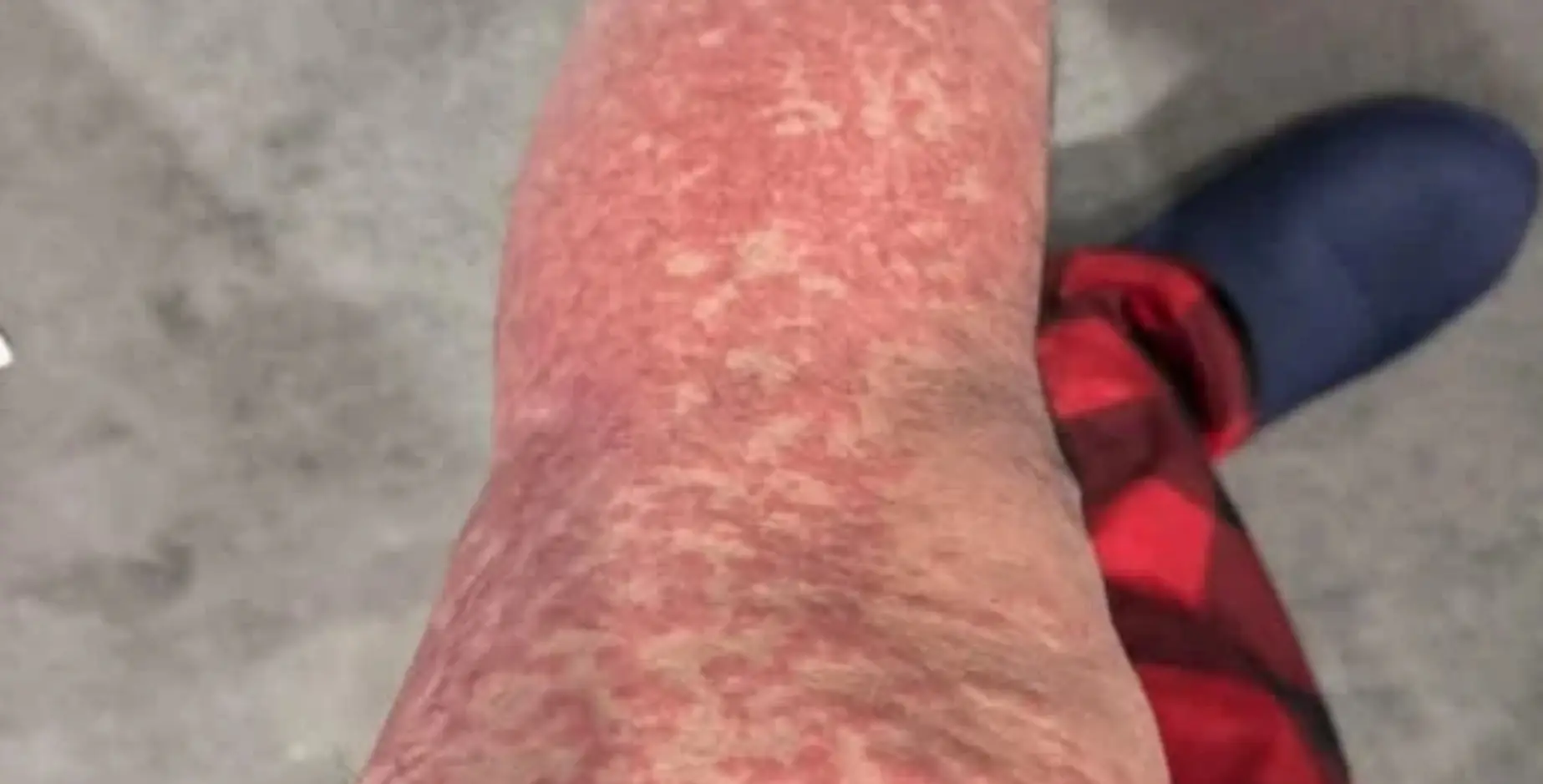
The small red spots shown in the image above resemble petechiae—tiny pinpoint areas of bleeding that can appear when small blood vessels leak beneath the skin.
Although petechiae can occur for many reasons unrelated to liver disease, including infections or medication effects, they should never be ignored if they appear suddenly or persist.
Liver-related clotting problems are more commonly seen in advanced liver disease and may require prompt medical evaluation.
Seek medical attention immediately if unexplained bruising is accompanied by:
3. Yellowing of the Skin and Eyes (Jaundice)
Perhaps the most recognizable sign of liver disease is jaundice.
Jaundice occurs when bilirubin—a yellow pigment normally processed by the liver—builds up in the bloodstream. When bilirubin levels become elevated, it causes yellow discoloration that may affect:
Jaundice may develop because of:
Additional symptoms sometimes include:
Jaundice should always be evaluated by a healthcare professional, particularly when it develops suddenly.
4. Spider Angiomas (Spider-Like Blood Vessels)
Spider angiomas are small clusters of dilated blood vessels that resemble tiny spider webs beneath the skin. They often feature:
They commonly appear on:
Having one or two spider angiomas is relatively common and isn't necessarily a sign of liver disease. They may also occur during pregnancy or simply develop as part of normal aging.
However, multiple spider angiomas appearing suddenly may sometimes be associated with chronic liver disease, particularly cirrhosis. Hormonal changes resulting from impaired liver function are believed to contribute to their development.
When accompanied by other symptoms, they deserve further evaluation.
Liver disease may also contribute to:
Not every symptom indicates liver disease, and many skin changes have entirely unrelated causes. Nevertheless, the skin often provides valuable clues about overall health.
Certain individuals may have increased risk factors for liver disease, including those who:
People within these groups should pay particular attention to persistent or unusual skin symptoms.
Consider seeking medical evaluation if skin changes are accompanied by:
Doctors may recommend several tests to evaluate liver health, including:
Early detection often improves treatment options and outcomes.
Several lifestyle habits can help support liver health:
Preventive care remains one of the most effective approaches for maintaining healthy liver function throughout life.
Your skin frequently reflects what's happening inside your body. Persistent itching, unexplained bruising or red spots, yellowing of the skin or eyes, and multiple spider-like blood vessels can sometimes serve as important warning signs of liver disease.
These symptoms do not automatically mean that liver disease is present, but they shouldn't be dismissed—particularly when they occur together or are accompanied by other concerning symptoms.
Paying attention to subtle changes may allow problems to be identified earlier, when treatment options are often most effective.
Disclaimer: This article is intended for educational purposes only and should not replace professional medical advice, diagnosis, or treatment. If you experience persistent or concerning symptoms, consult a qualified healthcare professional for appropriate evaluation.
Egg yolk color alone cannot determine freshness, nutrition, or hen health.
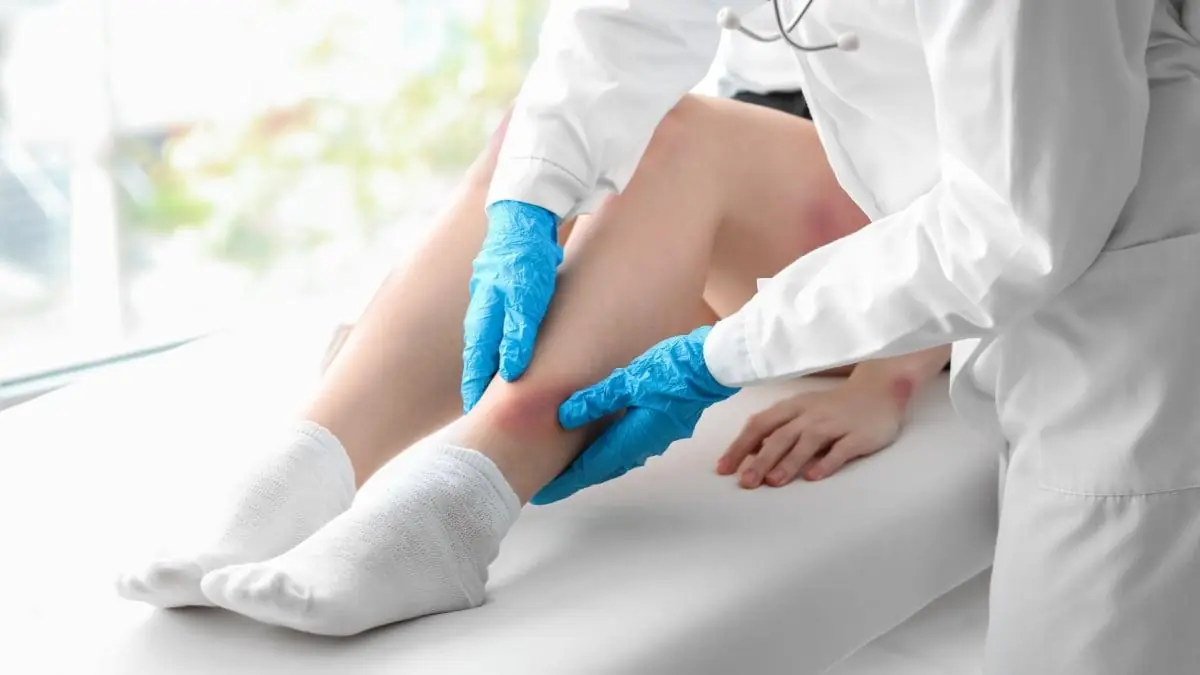
Early treatment of serious skin infections can prevent life-threatening complications.

Your Nighttime Leg Cramps May Have a Cause You Haven't Considered 👇

Most People Don't Know What Eating a Banana Before Bed Could Do... 🍌😲👇

Could Coconut Water Be a Bad Choice for You? Check These 6 Groups 👇

Here's Why You Might Be Drooling in Your Sleep—6 Possible Explanations 👇

Most People Ignore Hip Pain Until It's Too Late... Here's Why 👇

Safe egg handling and cooking can help protect your family from food poisoning.

A healthy breakfast starts with smart choices for stable blood sugar levels.

Bananas are healthy, but timing and medical conditions can sometimes matter.

The Truth About Lemon Water and Heart Health

Walnuts May Be One of the Healthiest Foods You Can Eat—Doctors Explain Why 👇

The Way You Cook Eggs Could Matter More Than You Realize
Physical intimacy can leave emotional scars when trust and respect are absent.
The Hidden Sodium Trap Millions Eat Every Day
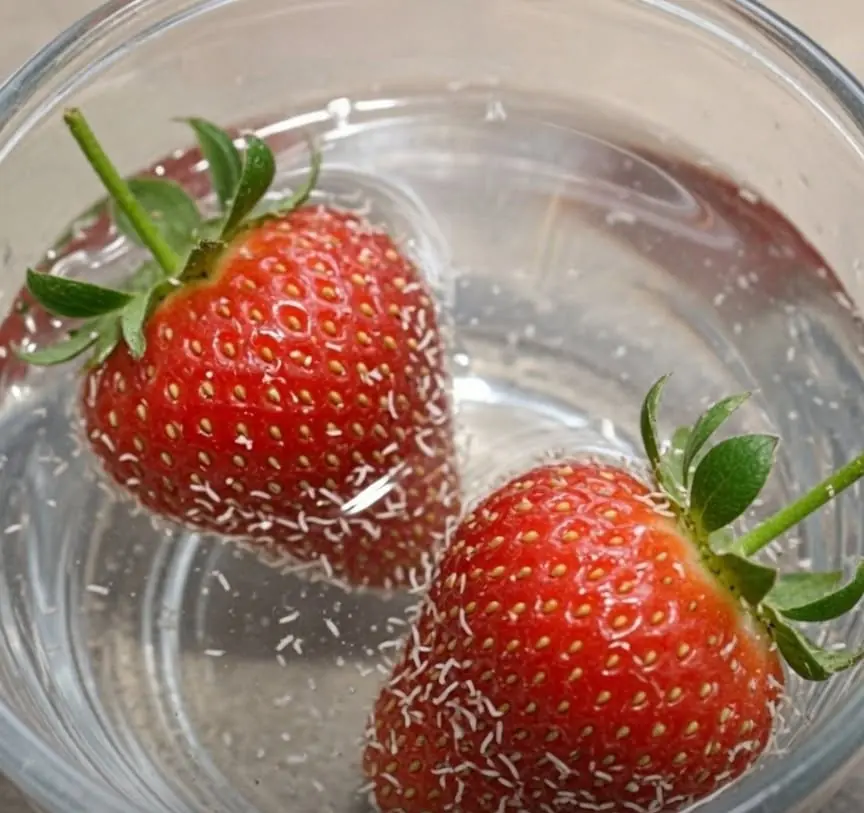
Salt Water Revealed Something Unexpected in My Berries — Should You Be Concerned?

4 groups of people should avoid eating eggplant

Tiny vegetable, massive health benefits — why experts call it the ‘king of anti-can.cer foods
If you have cramps in your legs at night, it means that your legs are... See More
Egg yolk color alone cannot determine freshness, nutrition, or hen health.
Early treatment of serious skin infections can prevent life-threatening complications.
Your Nighttime Leg Cramps May Have a Cause You Haven't Considered 👇
Most People Don't Know What Eating a Banana Before Bed Could Do... 🍌😲👇
Could Coconut Water Be a Bad Choice for You? Check These 6 Groups 👇
Here's Why You Might Be Drooling in Your Sleep—6 Possible Explanations 👇
Most People Ignore Hip Pain Until It's Too Late... Here's Why 👇
Safe egg handling and cooking can help protect your family from food poisoning.
Simple habits and safe methods can help keep your smile naturally brighter.
A healthy breakfast starts with smart choices for stable blood sugar levels.
Bananas are healthy, but timing and medical conditions can sometimes matter.
The Truth About Lemon Water and Heart Health
Walnuts May Be One of the Healthiest Foods You Can Eat—Doctors Explain Why 👇
The Way You Cook Eggs Could Matter More Than You Realize
Physical intimacy can leave emotional scars when trust and respect are absent.
The Hidden Sodium Trap Millions Eat Every Day
Salt Water Revealed Something Unexpected in My Berries — Should You Be Concerned?
4 groups of people should avoid eating eggplant
Tiny vegetable, massive health benefits — why experts call it the ‘king of anti-can.cer foods
If you have cramps in your legs at night, it means that your legs are... See More