
In addition to the well-known symptoms of lung cancer such as persistent coughing, chest pain, coughing up blood, and shortness of breath, there are several warning signs that may appear in the legs but are often overlooked.
Lung cancer is increasingly being diagnosed in younger people. While it was once most commonly detected in individuals over the age of 50, cases are now being reported in younger adults and even in people under 35.
Therefore, alongside preventive measures such as maintaining a healthy lifestyle, avoiding smoking, and staying physically active, recognizing the early signs of lung cancer is crucial. Early detection can significantly improve treatment outcomes, prognosis, and quality of life for patients.
What Is Lung Cancer?
Lung cancer occurs when cells in the lung tissue grow uncontrollably and form malignant tumors. There are two main types of lung cancer:
- Non-small cell lung cancer (NSCLC), which accounts for approximately 80–85% of cases.
- Small cell lung cancer (SCLC), which accounts for about 15–20% of cases.
1. Common Symptoms of Lung Cancer
According to the NHS, common symptoms of lung cancer include:
- A cough lasting more than three weeks, worsening over time, or coughing up blood.
- Recurrent chest infections.
- Chest pain or discomfort when breathing or coughing.
- Persistent shortness of breath caused by tumors obstructing the airways.
- Severe fatigue, weakness, and lack of energy despite adequate rest.
- Loss of appetite and unexplained weight loss.
Less common symptoms may include:
- Changes in finger shape, known as clubbing, where the fingertips become enlarged and the nails curve around them.
- Difficulty swallowing or pain when swallowing.
- Wheezing.
- Hoarseness.
- Swelling of the face and neck.
- Persistent chest or shoulder pain.

2. Leg Symptoms of Lung Cancer That Are Easily Misunderstood or Ignored
Why Can Lung Cancer Cause Symptoms in the Legs?
One major difference between benign and malignant tumors is that benign tumors tend to remain localized, while malignant tumors can spread (metastasize) to distant parts of the body.
Lung cancer frequently spreads through the bloodstream to the bones, particularly the bones of the lower limbs, where it can create new tumors or lesions.
According to Sohu, there are four leg-related signs of lung cancer that are often mistaken for other conditions:
1. Sudden or Unusual Pain in Both Legs
When lung cancer spreads to the bones or compresses nerves in the legs, it can weaken the bones, making them more fragile and prone to fractures while also causing leg pain.
Initially, the pain may be mild and dull, but it gradually becomes more severe and persistent.
Leg pain caused by lung cancer can also affect the knees if cancer cells spread to the synovial tissue. The knee joint is among the most commonly affected joints. Once the knee is involved, patients may experience:
- Knee swelling
- Reduced ability to stand or walk
- Difficulty straightening the leg
If cancer spreads to the spinal bones and compresses the spinal cord, it can cause:
- Leg weakness
- Partial or complete paralysis
- Loss of bowel and bladder control

2. Lumps Appearing on the Skin of the Legs
When lung cancer spreads to the skin, it may cause:
- Firm, round skin nodules
- Poorly defined borders
- Little or no movement under the skin
- Usually painless lumps, although ulceration can occur in some cases
Besides the legs, skin metastases from lung cancer are most commonly found on the chest, abdomen, and head-and-neck region.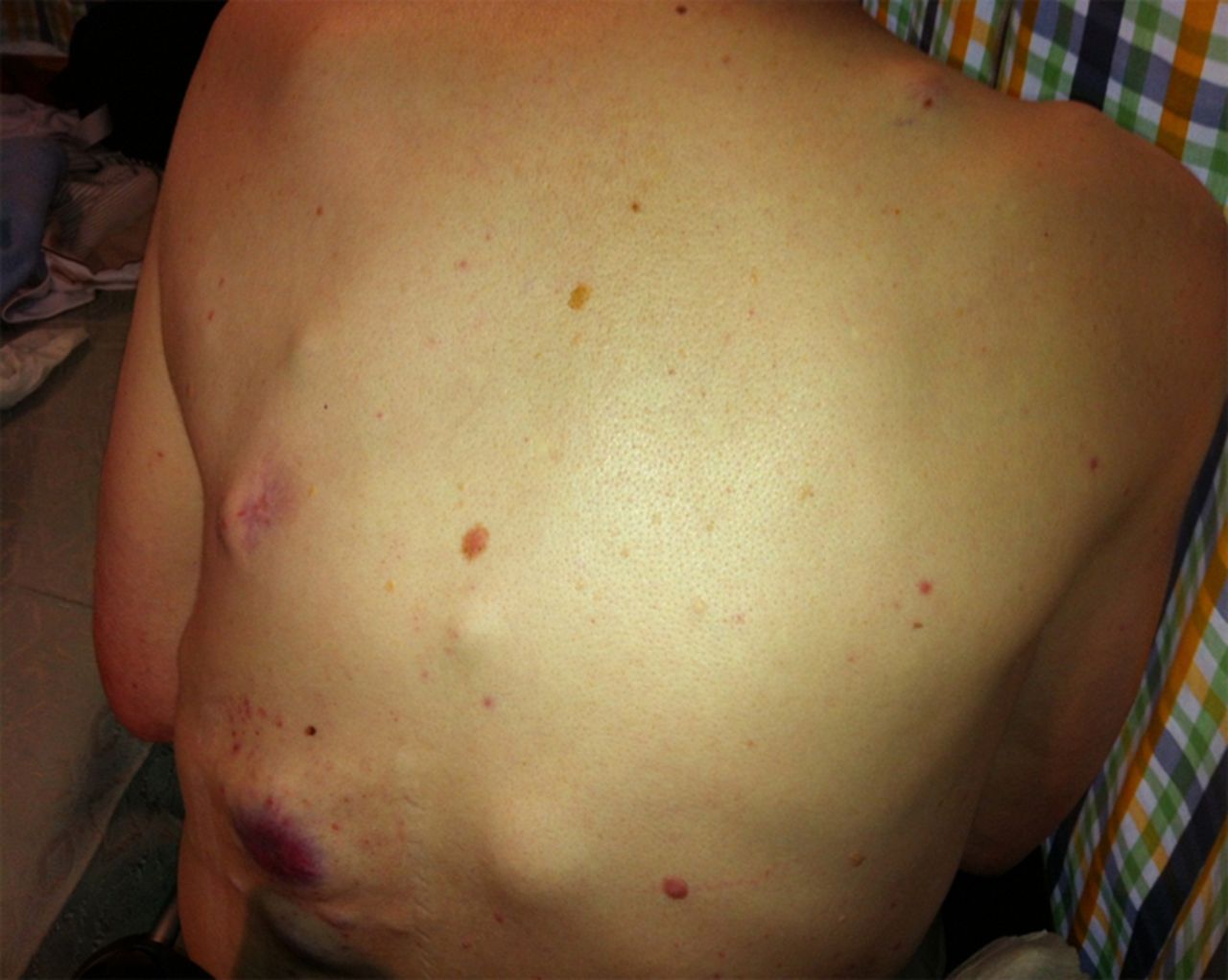
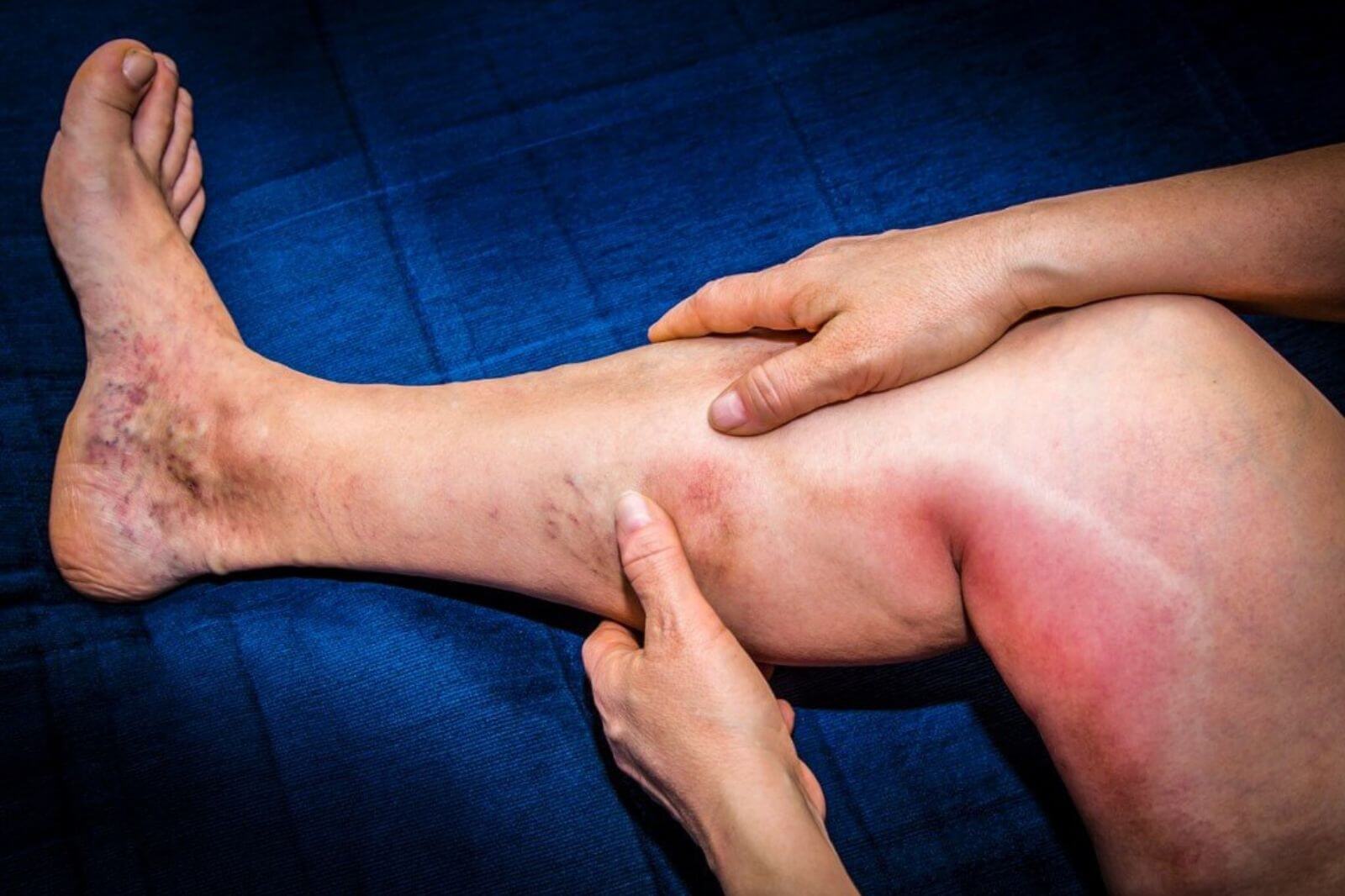
3. Blood Clots in the Legs
According to WebMD, people with lung cancer are at a higher risk of developing blood clots in the legs, a condition known as deep vein thrombosis (DVT).
Researchers believe this may occur because:
- Cancer cells can trigger inflammation.
- Cancer can activate the blood-clotting process.
- Chemicals released by tumors may promote clot formation.
DVT is extremely dangerous. If part of the clot breaks off and travels to the lungs, it can cause a pulmonary embolism, which can become life-threatening very quickly.
Symptoms of blood clots in the legs may include:
- Lower-limb pain
- Difficulty moving the leg
- Changes in skin temperature
- Unusual bluish or purplish discoloration of the skin
4. Unusual Leg Swelling and Clubbed Toes
When lung cancer spreads and disrupts blood flow, swelling (edema) may develop in the legs.
Leg swelling may also result from:
- Low blood protein levels due to poor nutrition
- Reduced protein production by the liver
- Abnormal fluid accumulation in the body
Although metastasis to the bones of the feet is rare—occurring in only about 0.007–0.3% of cancer patients—it can cause pain and swelling.
Symptoms of leg edema include:
- Reduced flexibility of the foot and ankle joints
- A heavy or thick feeling in the swollen area
- Indentations remaining after pressing on the skin (pitting edema)
Another common sign is toe clubbing. As excess soft tissue develops beneath the toenails, the tips of the toes become enlarged and the nails curve more than normal.
Early Detection Is Critical
It is important to remember that not everyone with lung cancer develops noticeable symptoms during the early stages. Some patients may live with a tumor for years before clear signs appear.
As the tumor grows larger and begins to compress nearby structures, symptoms become more apparent. Without timely diagnosis and treatment, lung cancer can spread to distant organs.
The most common sites of lung cancer metastasis include:
- Bones
- Brain
- Liver
- Other distant organs
For this reason, regular health screenings are essential, especially for individuals with risk factors or unexplained health changes.
According to Cancer.Net, patients diagnosed with early-stage lung cancer may have a favorable prognosis, with treatment success rates reaching as high as 80% in some cases.