4 things to know to have strong, shiny teeth
1. Regularly clean your teeth properly
You need to brush your teeth at least twice a day, in the morning after eating and in the evening before going to bed. It is best to brush after each meal and before going to bed. You should choose a toothbrush with a small, round head to be able to reach all corners of the mouth, and the bristles should be moderately hard so as not to damage the enamel.
You should not brush your teeth immediately after eating, because after eating acidic foods, the enamel will be weak and easily worn away by brushing. The best time to brush your teeth is 5 minutes after eating. You should change your toothbrush every 3-4 months.
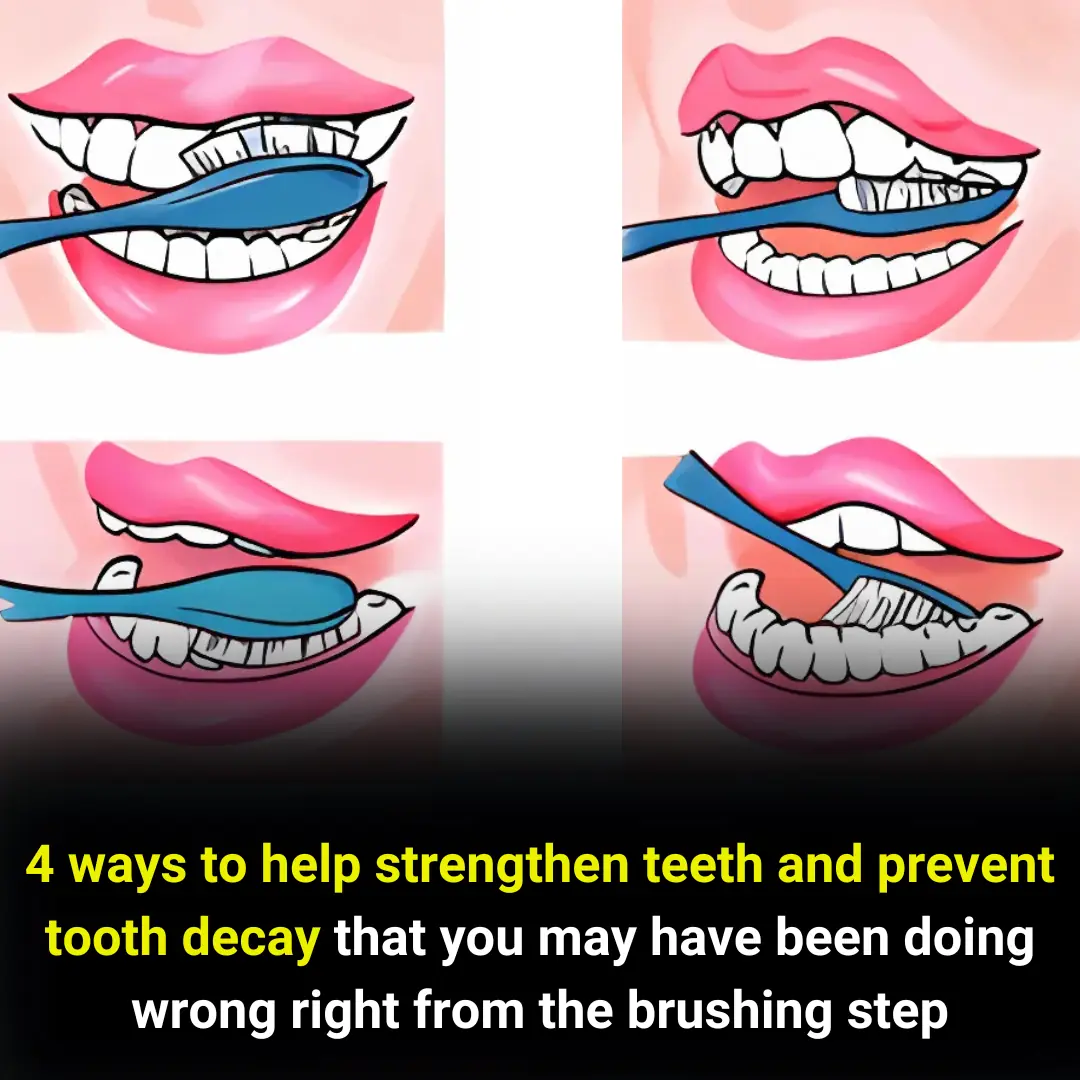
How to brush your teeth correctly:
· Place the toothbrush horizontally, the bristles form a 45-degree angle with the outer surface of the tooth at the neck of the tooth, gently press the bristles partly on the gums, partly on the neck of the tooth so that the bristles press into the gum groove and between the two gaps between the teeth. Gently vibrate in place in the front-back direction, always keeping the bristles in contact with the tooth surface and gradually moving from the neck of the tooth to the chewing surface.
· Repeat the movement 6-10 times for a section of 2-3 teeth. Then gradually move the brush to the next area in order.
· The inside surface is brushed after brushing the outside surface. For the inside surface of the incisors, the brush is placed vertically, the bristles form a 45-degree angle with the inside surface of the incisors, press the bristles and vibrate gently while moving from the neck of the tooth towards the biting edge.
· When brushing the chewing surface, pay attention to placing the bristles perpendicular to the chewing surface of the tooth, gently pressing the bristles on the chewing surface and brushing in the front-back direction. Brush slowly, in order to avoid missing anything.
In addition, it is necessary to use toothpicks, dental floss, and mouthwash to support oral hygiene, helping to clean between teeth and reduce bacteria in the mouth, for fresh breath.
However, do not overuse mouthwash, only use it no more than 2-3 times/day. When rinsing your mouth, hold it for about 30 seconds and then spit it out. After using mouthwash, do not eat or brush your teeth for about half an hour. You should choose to buy reputable mouthwashes that have been quality tested by competent authorities.
2. You should supplement fruits and vegetables to prevent oral diseases.
A reasonable diet is necessary for healthy teeth and gums. A balanced diet will provide your gums and teeth with important nutrients and minerals that they need to be healthy, avoiding infections that cause gum disease. In addition, hard, high-fiber foods such as fruits and vegetables will help clean teeth and oral tissues.
Soft, sticky foods tend to stay in the grooves and crevices of teeth, creating plaque. Avoid eating foods high in sugar. Bacteria in the mouth will break down sugar and create acids that damage tooth enamel. And especially, you should limit stimulants such as beer, wine, etc. to avoid the harmful substances in these foods that affect your teeth.
3. Need to give up bad habits for your teeth
From a young age, we have had bad habits that affect our own teeth structure such as: thumb sucking, tongue thrusting, mouth breathing, etc. and these habits lead to crooked teeth and make the teeth worse when we grow up. Therefore, parents should monitor and limit these habits in their children, helping them have more beautiful, even teeth.
For adults, some habits such as grinding teeth, smoking, biting pens, etc. directly affect the teeth, so it is very necessary to pay attention to eliminating or treating them.
4. Regular dental check-ups
You should have regular dental check-ups at least every 6 months at reputable dental facilities to detect early oral problems and intervene promptly.
Dentists will examine and remove tartar, fill cavities and perform precise techniques if necessary. This ensures that there are no gaps in the mouth for food to "reside" and cause dental problems.
In short: The oral cavity is a place that contains a lot of bacteria. If not cleaned properly, bacteria will attack the oral cavity, causing many problems such as bad breath, periodontitis, tooth decay, etc. Moreover, many medical studies have proven that oral health has a great impact on overall health. Therefore, proper oral hygiene is extremely important.