Bananas are one of the easiest fruits to add to a daily diet. They provide carbohydrates, fiber, potassium, vitamin B6, and several other nutrients, making them a convenient choice for breakfast, snacks, and around exercise. But is there really a “best” time to eat one? Not exactly. The ideal timing depends on your goals, activity level, digestion, and overall eating pattern.
Some people prefer bananas first thing in the morning.
Others eat one before a workout, after exercising, or as an afternoon snack.
You may also have heard that eating a banana at a specific time of day can dramatically improve digestion, clear your skin, or prevent blood-sugar spikes.
Those claims need some context.
A banana is a nutritious food, but there is no special hour of the day when it suddenly becomes a medicine. What matters much more is the overall quality of your diet, portion size, what you eat with the banana, and how your body responds to it.
Still, there are several times when a banana can fit particularly well into a healthy routine.
1. With Breakfast for a Convenient Start to the Day
For many people, breakfast is one of the easiest times to include a banana.
A medium banana provides carbohydrates that can contribute energy during the morning, along with fiber and potassium.
However, eating a banana by itself may not keep everyone satisfied for very long.
If your goal is more stable energy and blood sugar, consider pairing the fruit with a source of protein, healthy fat, or both.
For example:
-
Banana with plain Greek yogurt
-
Banana with oatmeal and nuts
-
Banana with peanut or almond butter
-
Banana alongside eggs and whole-grain toast
-
Banana blended into a protein-rich smoothie
Combining carbohydrate-containing foods with protein, fat, and fiber can slow digestion and may lead to a more gradual rise in blood glucose compared with eating rapidly digested carbohydrates alone.
What about eating a banana on an empty stomach?
There is no general rule that bananas must never be eaten on an empty stomach.
Healthy people can usually eat a banana whenever it feels comfortable.
Some people love the convenience of having one immediately after waking. Others find that eating fruit alone leaves them hungry again quickly.
The best approach is to pay attention to how your body responds rather than following a universal internet rule.
2. Before Exercise When You Need Convenient Energy
A banana can be a practical pre-workout food.
Its carbohydrates can provide readily available fuel for physical activity, while its portability makes it easy to eat before heading to the gym, going for a run, cycling, hiking, or participating in another activity.
For some people, eating a banana roughly 30 to 90 minutes before exercise works well, although the ideal timing depends on the intensity and duration of the workout and how quickly the individual digests food.
A smaller banana may be enough for a short workout.
A longer or more demanding session may call for additional carbohydrates and other foods.
Why are bananas popular with athletes?
They contain carbohydrates in the form of naturally occurring sugars and starches.
As bananas ripen, some of their starch is converted into sugars, making ripe bananas sweeter and generally easier to digest for many people.
They also provide potassium, although it is important not to think of a banana as a magical protection against muscle cramps. Muscle cramps have many potential causes, and hydration, training load, fatigue, and electrolyte balance all matter.
3. After Exercise as Part of a Balanced Recovery Meal
A banana can also work well after physical activity.
Exercise increases the body's need to replenish energy stores, particularly after longer or more demanding workouts.
A banana can provide carbohydrates that contribute to restoring muscle glycogen, especially when combined with other carbohydrate-rich foods.
But a banana by itself is not a complete recovery meal.
After a substantial workout, consider pairing it with a protein source such as:
Greek yogurt
Milk
Cottage cheese
Eggs
A protein-rich smoothie
Nuts or nut butter
Protein provides amino acids needed for muscle repair and maintenance.
This combination can be more useful than focusing on the banana alone.
For example, a banana with Greek yogurt can provide carbohydrates, protein, and several micronutrients in one simple snack.
4. As an Afternoon Snack Instead of Highly Processed Foods
The middle of the afternoon is another practical time to eat a banana.
This can be especially useful if you tend to become hungry between lunch and dinner.
Instead of reaching automatically for cookies, candy, sugary drinks, or highly processed snack foods, a banana can provide sweetness along with fiber and nutrients.
But once again, what you pair it with matters.
If you are very hungry or want the snack to keep you satisfied longer, try combining the banana with protein or healthy fats.
Examples include:
Banana + a handful of nuts
Banana + plain yogurt
Banana + peanut butter
Banana + cottage cheese
This can make the snack more filling than eating the fruit alone.
For someone trying to manage blood sugar, this may also be preferable to consuming a banana alongside other concentrated sources of added sugar.
5. In the Evening When You Want a Simple, Satisfying Snack
There is no strong general rule saying you should never eat bananas at night.
The idea that fruit eaten in the evening automatically turns into body fat is not supported.
What matters more is your overall calorie intake, dietary pattern, physical activity, and the rest of your meals.
A banana can therefore be a reasonable evening snack for someone who is hungry.
However, individual digestion matters.
Some people find fruit comfortable before bed, while others experience bloating, reflux, or digestive discomfort after eating close to bedtime.
If you notice discomfort, simply move the snack earlier.
And if you are specifically trying to control blood sugar, pairing the banana with protein or healthy fat may be more appropriate than eating a large portion of fruit by itself.
How Bananas May Support Digestion
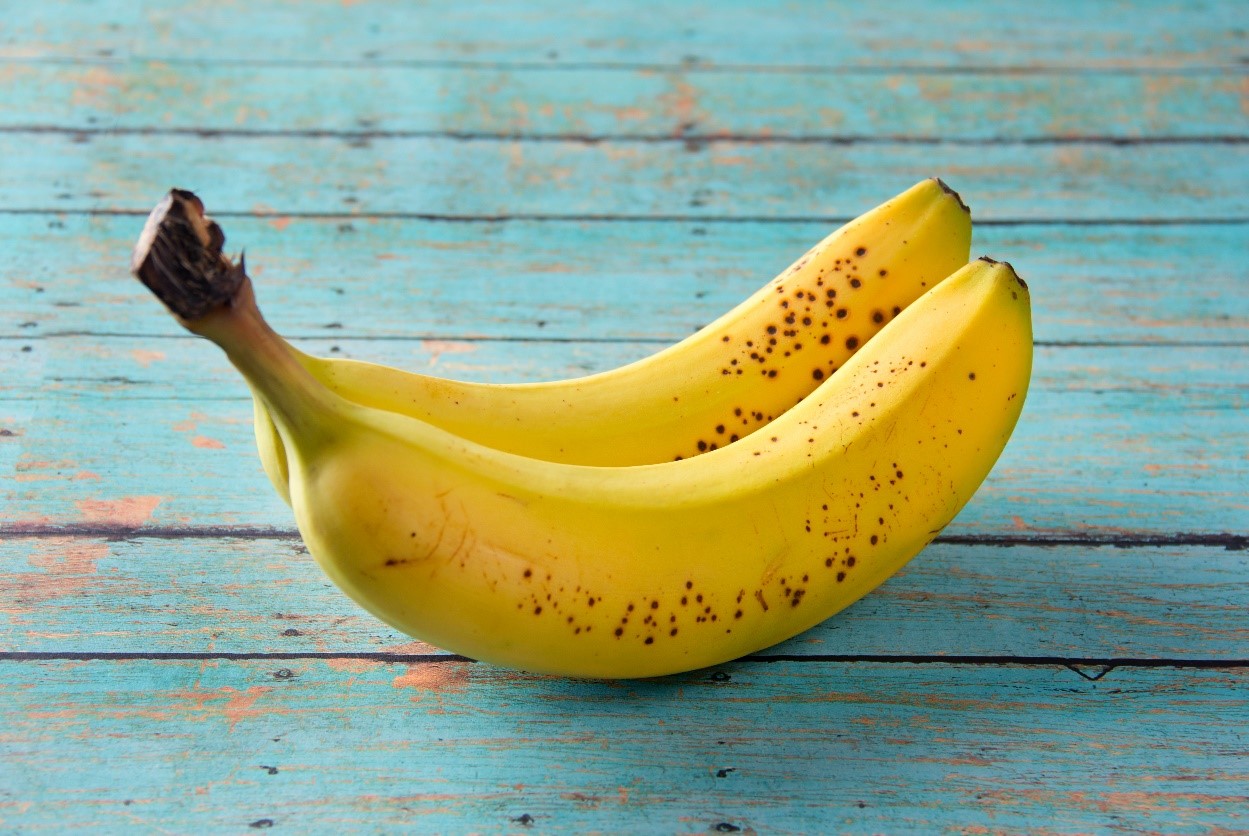
One reason bananas are often associated with digestive health is their fiber content.
A medium banana contains dietary fiber, including resistant starch, particularly when the banana is less ripe.
Resistant starch reaches the large intestine relatively undigested and can be fermented by gut bacteria.
This makes it different from the sugars and more readily digested starches found in a fully ripe banana.
Bananas can therefore fit well into an overall diet that supports digestive health.
But there is an important distinction:
A banana is not a treatment for constipation, diarrhea, irritable bowel syndrome, or another digestive disorder.
Different people also respond differently.
A less ripe banana may provide more resistant starch but can feel heavier or more starchy to some people.
A ripe banana is softer and sweeter and may be easier for some people to digest.
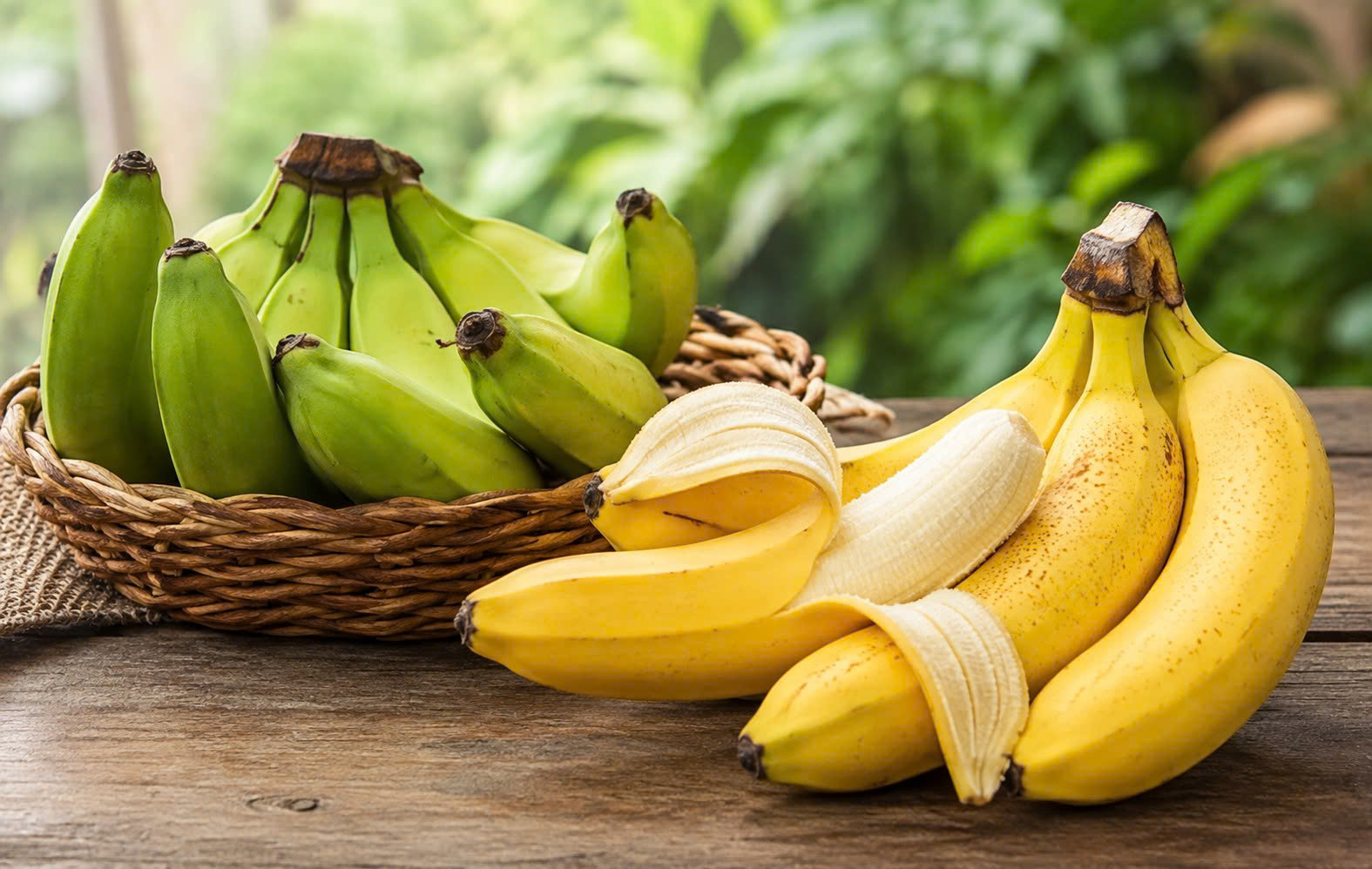
Green Bananas vs. Ripe Bananas
The ripeness of the banana changes its nutritional composition.
Green or less-ripe bananas
These generally contain more resistant starch and less free sugar.
They tend to taste less sweet and have a firmer texture.
Because resistant starch behaves somewhat like dietary fiber, less-ripe bananas may have different effects on digestion and blood sugar than very ripe bananas.
Yellow, ripe bananas
As bananas ripen, some of their starch is converted into sugars.
They become softer and sweeter.
That can make them more appealing and easier to eat, but the carbohydrate is also more readily available.
Neither stage is automatically “better.”
The right choice depends on your preferences, digestion, and dietary goals.
Can Bananas Help Keep Blood Sugar Stable?
This is one area where it is especially important to avoid exaggerated claims.
Bananas contain carbohydrate, so they can raise blood glucose.
The effect depends on the banana's size and ripeness, what else you eat with it, and your individual metabolism.
A whole banana generally provides more fiber and takes longer to eat than a sugary beverage or candy.
But someone with diabetes should not assume that unlimited bananas are automatically harmless simply because they are natural.
If you are monitoring blood glucose, portion size matters.
A smaller banana may be a reasonable choice for some people, particularly when combined with protein, healthy fat, or other high-fiber foods.
Your own glucose readings and advice from your healthcare team are more useful than blanket rules about fruit timing.