Food is supposed to nourish us, but some foods can also carry microscopic organisms that may cause illness when they are contaminated or eaten raw or undercooked.
Among these organisms are parasites—organisms that live in or on another host and obtain nutrients from it. Some foodborne parasites can survive in raw or inadequately cooked meat, fish, or seafood. Others can contaminate fruits and vegetables through contaminated soil, water, or handling.
The good news is that you don't need to be afraid of these foods.
In most cases, proper cooking, safe food handling, clean water, and good kitchen hygiene can dramatically reduce the risk.
It's also important to understand that not every foodborne illness is caused by parasites. Bacteria and viruses are responsible for many more foodborne infections. The risk depends on the specific food, where it came from, how it was handled, and how it was prepared.
Here are five common food categories that deserve particular attention.
1. Pork and Other Undercooked Meats
Pork is one of the foods most commonly associated with concerns about foodborne parasites.
Certain parasites, including Trichinella, can infect people who consume raw or undercooked meat from infected animals.
Trichinella infection, known as trichinellosis, can initially cause digestive symptoms such as:
-
Nausea
-
Diarrhea
-
Abdominal discomfort
-
Vomiting
As the infection progresses, some people may develop:
-
Fever
-
Muscle pain
-
Muscle weakness
-
Headache
-
Swelling around the eyes
The risk isn't limited to commercially purchased pork. Certain types of wild game, particularly meat from animals such as wild boar, can carry parasites as well.
How to reduce the risk
The most important protection is thorough cooking.
Don't rely solely on the outside appearance of meat. A meat thermometer provides a much better indication of whether the center has reached a safe temperature.
Also avoid tasting raw meat while cooking.
Proper refrigeration, clean preparation surfaces, and preventing raw meat from contacting ready-to-eat foods are equally important.
And remember: freezing is not a universal substitute for cooking, because the effectiveness of freezing against parasites varies by species and food.
2. Raw or Undercooked Freshwater Fish
Freshwater fish can carry certain parasites that are capable of infecting humans when the fish is eaten raw or insufficiently cooked.
Examples include certain flukes, also known as trematodes.
These parasites are particularly relevant in some regions where raw or lightly cooked freshwater fish is traditionally consumed.
The risk can depend heavily on geography, fish species, local water conditions, and food preparation practices.
Some infections may initially cause few noticeable symptoms. Others can cause:
-
Abdominal discomfort
-
Digestive problems
-
Nausea
-
Diarrhea
-
Fatigue
Certain fish-borne parasites can also affect organs beyond the digestive tract if infection becomes established.
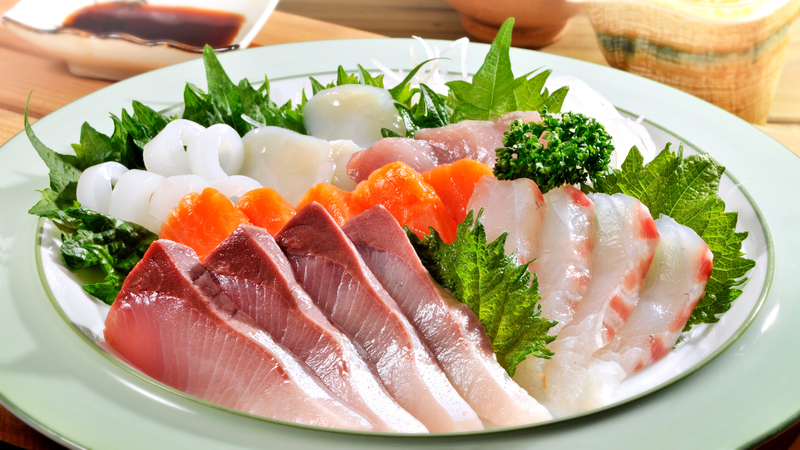
What about sushi?
Sushi is not automatically unsafe.
However, raw fish carries different food safety considerations from fully cooked fish.
Some types of marine fish can carry parasites such as Anisakis, while freshwater fish can carry other parasite species.
Commercial freezing processes can be used in some circumstances to control certain parasites in fish intended to be eaten raw, but consumers should not assume that every piece of raw fish has undergone an adequate parasite-control process.
When eating raw fish, sourcing and preparation matter.
For home cooking, thoroughly cooking fish remains one of the simplest ways to reduce parasite risk.
3. Raw or Undercooked Seafood
Seafood can be nutritious, but raw or inadequately cooked seafood comes with additional food safety considerations.
This category includes foods such as:
-
Raw fish
-
Raw squid
-
Raw or lightly cooked shellfish
-
Certain seafood dishes served raw or marinated
Some marine parasites can infect people who consume infected seafood without adequate preparation.
One example is Anisakis, a parasitic worm that can be present in certain marine fish and squid.
When a person consumes an infected fish or squid raw or insufficiently cooked, the parasite can sometimes cause a condition known as anisakiasis.
Possible symptoms include:
-
Sudden abdominal pain
-
Nausea
-
Vomiting
-
Digestive discomfort
In some cases, allergic reactions can also occur.
Marinating doesn't necessarily make seafood safe
One common misconception is that acidic ingredients such as lemon juice, vinegar, or lime juice can make raw seafood completely safe.
They may change the texture and flavor of the food, but acidic marinades should not be treated as a reliable substitute for proper cooking or validated parasite-control methods.
The same principle applies to dishes that are salted, smoked, or cured.
Preparation methods vary, and some may reduce certain risks without eliminating all possible pathogens or parasites.
4. Raw or Unwashed Fruits and Vegetables
When people think about parasites in food, they often imagine meat or fish.
But fresh produce can also become contaminated.
Fruits and vegetables may come into contact with contaminated:
-
Soil
-
Irrigation water
-
Fertilizers
-
Animal waste
-
Food-processing surfaces
-
Hands
Certain intestinal parasites, including Cyclospora and Giardia, can spread through contaminated food or water.
Produce associated with outbreaks can vary from year to year and from region to region.
Potential symptoms of some parasitic intestinal infections include:
-
Persistent diarrhea
-
Abdominal cramps
-
Bloating
-
Nausea
-
Fatigue
-
Loss of appetite
-
Weight loss in prolonged cases
Does washing produce help?
Yes.
Washing fresh produce thoroughly under clean running water can help remove dirt and some microorganisms from the surface.
However, washing does not guarantee that every contaminant will be removed.
For produce that is normally eaten raw, good handling is especially important.
Wash your hands before preparing food, keep produce away from raw meat, clean cutting boards and utensils, and refrigerate perishable foods appropriately.
If you buy pre-cut fruits or vegetables, keep them refrigerated and follow storage instructions.
5. Wild Game and Meat From Unverified Sources
Wild game can be an important part of some diets, but it deserves particular attention because infection risks can vary depending on the animal and region.
Wild animals can carry parasites that are uncommon or less frequently encountered in commercially raised meat.
Potential examples include:
-
Wild boar
-
Bear
-
Certain wild carnivores
-
Other game animals
Some parasites can survive when meat is raw or undercooked.
One particularly important example is Trichinella, which can infect humans who consume undercooked meat from certain infected animals.
Why wild game can be different
Unlike commercially produced meat, wild animals are not raised under controlled farming conditions.
Their exposure to parasites and other pathogens depends on their natural environment.
That doesn't mean wild game is inherently dangerous.
It means proper processing, inspection where available, careful handling, and thorough cooking are especially important.
Never assume that smoking, drying, curing, or cooking the outside of game meat automatically eliminates every parasite risk.
Why Raw Food Can Carry a Greater Risk
Cooking changes the food safety equation.
Heat can destroy many parasites and other harmful microorganisms when food is cooked properly.
Raw or lightly cooked foods don't receive the same level of microbial control.
This is why certain groups are often advised to be particularly cautious with raw or undercooked foods, including:
-
Pregnant people
-
Young children
-
Older adults
-
People with weakened immune systems
-
People with certain chronic medical conditions
For these individuals, foodborne infections can sometimes lead to more serious complications.
Freezing Can Help With Certain Parasites—But It Isn't a Universal Solution
You may have heard that freezing fish or meat kills parasites.
There is some truth to this, but the subject is more complicated than it sounds.
Certain validated freezing processes can kill specific parasites in certain foods.
However, ordinary household freezing should not automatically be assumed to eliminate every parasite.
The effectiveness depends on:
-
The parasite species
-
Temperature
-
Duration
-
Thickness of the food
-
Whether the entire product reaches the required temperature