The liver is one of the most resilient organs in the human body. It filters toxins, processes nutrients, regulates metabolism, and supports immune function. Remarkably, it can continue working even when partially damaged.
That strength, however, is also what makes liver disease so dangerous. Damage often progresses silently, without obvious symptoms, until it reaches an advanced stage. Doctors warn that everyday habits many people consider “normal” can slowly and steadily harm the liver over time.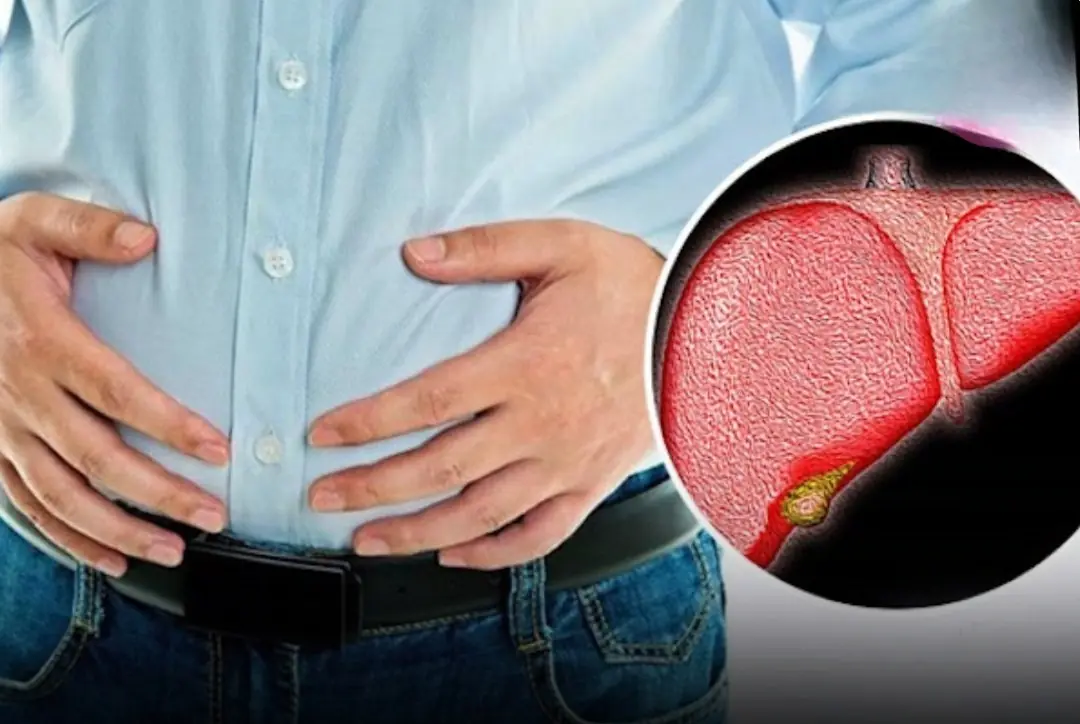
1. Drinking Alcohol Regularly (Even in Moderate Amounts)
Alcohol is one of the leading causes of liver damage worldwide. While occasional drinking may not be harmful for everyone, frequent or habitual alcohol consumption forces the liver to work overtime to break down toxic byproducts.
Over time, this can lead to:
-
Fatty liver disease
-
Liver inflammation (hepatitis)
-
Scarring (cirrhosis)
What makes this habit especially dangerous is that liver damage from alcohol often occurs without pain. By the time symptoms appear, damage may already be severe.
2. Eating Too Much Sugar and Processed Food
Excess sugar—especially fructose from sugary drinks and processed foods—is a major contributor to non-alcoholic fatty liver disease (NAFLD). When the liver receives more sugar than it can process, it converts the excess into fat.
This fat builds up in liver cells, leading to inflammation and reduced liver function over time. Even people who do not drink alcohol can develop serious liver disease through poor dietary habits alone.
Highly processed foods, refined carbohydrates, and sweetened beverages place constant stress on the liver.
3. Overusing Medications and Painkillers
Many people assume that over-the-counter medications are completely safe. In reality, frequent or excessive use of painkillers, especially acetaminophen (paracetamol), is a common cause of liver injury.
The liver is responsible for metabolizing most medications. When taken in high doses or combined with alcohol, certain drugs can overwhelm the liver’s detoxification capacity.
Doctors emphasize that:
-
More is not better
-
Mixing medications without guidance is risky
-
Long-term use should always be monitored
Medication-related liver damage can happen quickly and unexpectedly.
4. Staying Up Late and Chronic Sleep Deprivation
Sleep is not just rest—it is a critical period when the body repairs itself. During deep sleep, the liver performs essential detoxification and metabolic regulation.
Chronic sleep deprivation disrupts this process, increasing oxidative stress and inflammation in the liver. Studies have linked poor sleep habits to higher risk of fatty liver disease and metabolic disorders.
Late nights, irregular sleep schedules, and constant fatigue place silent but significant strain on liver function.
5. Sitting Too Much and Lack of Physical Activity
A sedentary lifestyle contributes directly to liver damage by promoting:
-
Weight gain
-
Insulin resistance
-
Fat accumulation in the liver
Even people who are not overweight can develop liver issues if they rarely move. Physical activity helps regulate blood sugar, improve circulation, and reduce fat storage in the liver.
Doctors stress that regular movement is one of the most effective ways to protect liver health, even without intense exercise.
Why Liver Damage Is So Often Missed
The liver does not complain loudly. Early liver damage may cause only vague symptoms such as:
-
Fatigue
-
Bloating
-
Mild abdominal discomfort
-
Loss of appetite
These signs are easily ignored or blamed on stress or aging. Unfortunately, this delay allows damage to progress unnoticed.
Who Is at Higher Risk?
Certain individuals should be especially cautious, including those who:
-
Drink alcohol regularly
-
Have diabetes or obesity
-
Take long-term medications
-
Have high cholesterol
-
Have a family history of liver disease
For these groups, routine liver function tests are strongly recommended.
.jpg)
How to Protect Your Liver Starting Today
Small changes can make a big difference:
-
Reduce or eliminate alcohol intake
-
Limit sugar and processed foods
-
Take medications only as directed
-
Prioritize sleep and recovery
-
Move your body daily
The liver has an incredible ability to heal if damage is caught early and habits change.
The Bottom Line
Your liver works for you every day, silently and tirelessly. The five habits above—alcohol use, poor diet, medication misuse, sleep deprivation, and inactivity—can slowly destroy that support system without warning.
Stopping these habits now does not require perfection—only awareness and consistency. When it comes to liver health, early action is the difference between recovery and irreversible damage.