
Don’t Overlook These 10 Possible Signs of Lung Can.cer
10 Possible Lung Can.cer Warning Signs and When to See a Doctor
Health 29/07/2026 16:11
A good night's sleep can make a remarkable difference in how you feel the next day. Quality sleep supports concentration, mood, immune function, physical recovery, metabolism, and many other processes throughout the body.
Yet falling asleep isn't always easy. Stress, irregular schedules, late-night screen time, caffeine, alcohol, heavy meals, and certain health conditions can all interfere with sleep.
While no beverage can guarantee eight perfect hours of uninterrupted rest, what you drink in the evening can influence how easily you wind down. Some warm, caffeine-free beverages may become useful parts of a relaxing bedtime routine, while others contain nutrients or plant compounds that researchers have investigated for their potential effects on sleep.
The key is keeping expectations realistic. A bedtime drink isn't a treatment for chronic insomnia, but when combined with good sleep habits, the right beverage may help create a calmer transition from a busy day to bedtime.
Here are 5 delicious bedtime drinks worth considering.

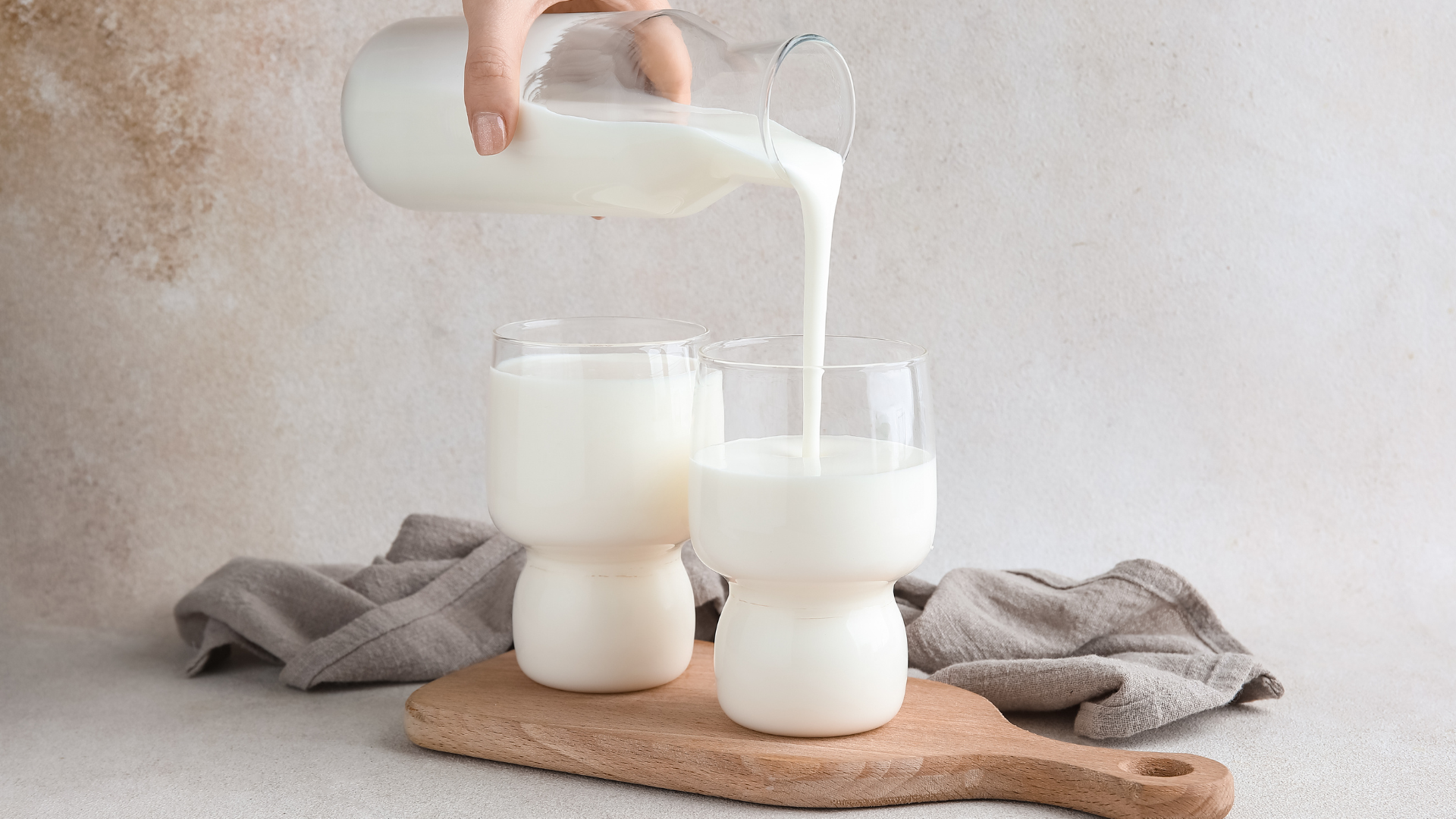
Warm milk is perhaps the most traditional bedtime drink of all.
For generations, parents have offered children a glass of warm milk before bed, and many adults continue the habit because they associate it with comfort and relaxation.
But is there any science behind it?
Milk naturally contains tryptophan, an essential amino acid involved in the production of serotonin and melatonin.
Melatonin is a hormone that plays an important role in regulating the body's sleep-wake cycle.
Milk also provides:
High-quality protein
Calcium
Vitamin B12
Phosphorus
Potassium
Vitamin D when fortified
However, the amount of tryptophan in a typical glass of milk isn't necessarily enough to act like a sleep medication.
The benefit may instead come partly from the ritual itself.
Drinking something warm in a quiet environment can signal to your brain that the day is ending.
1 cup milk
A small pinch of cinnamon
Optional: ½ teaspoon honey
Warm the milk gently until comfortable to drink. Avoid boiling it.
Add cinnamon and a small amount of honey if desired.
Sip slowly approximately 30–60 minutes before bed.
People with lactose intolerance may experience gas, bloating, or diarrhea after drinking regular milk.
Lactose-free milk or fortified plant-based alternatives may be better options.
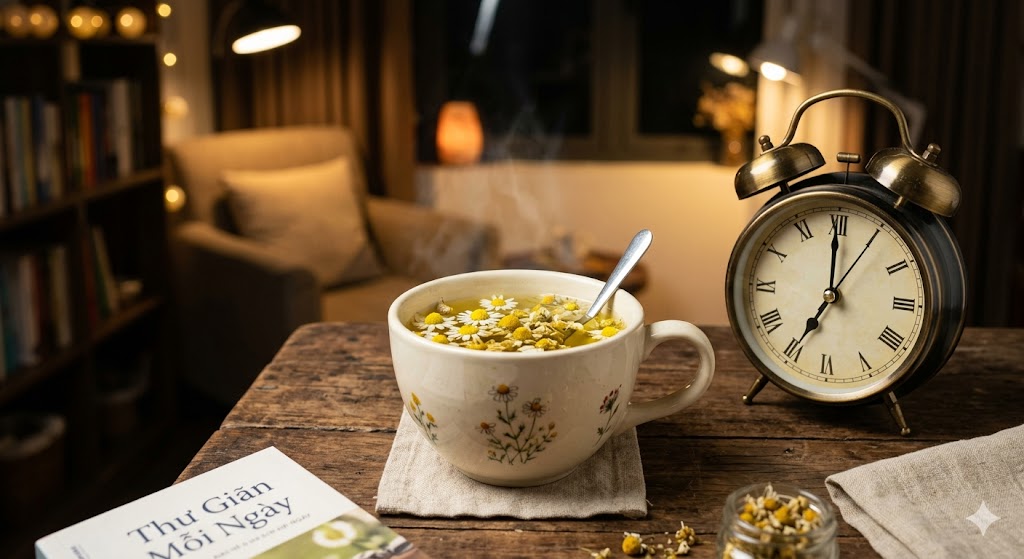
Chamomile tea is one of the world's most popular herbal beverages for relaxation.
Made from dried chamomile flowers, it is naturally caffeine-free and has been used traditionally for centuries.
Chamomile contains a plant compound called apigenin.
Apigenin can interact with certain receptors in the brain that are involved in relaxation and sleep.
Some small studies suggest that chamomile may modestly improve certain measures of sleep quality, although the evidence isn't strong enough to consider chamomile a treatment for insomnia.
Still, its mild flavor and caffeine-free nature make it an excellent evening beverage for many people.
1 chamomile tea bag or 1–2 teaspoons dried chamomile flowers
1 cup hot water
Optional: a small amount of honey
Pour hot water over the chamomile.
Allow it to steep for approximately 5–10 minutes.
Remove the tea bag or strain the flowers.
Add a small amount of honey if desired.
Drink slowly while beginning your evening wind-down routine.
People with allergies to plants in the daisy family—including ragweed, chrysanthemums, and marigolds—may also react to chamomile.
Chamomile may also interact with certain medications, including some blood thinners.
If you're taking prescription medications or have significant allergies, check with a healthcare professional before regularly consuming concentrated herbal preparations.
Tart cherries have received considerable attention in sleep research because they naturally contain small amounts of melatonin.
They also contain:
Anthocyanins
Polyphenols
Potassium
Various antioxidant compounds
Several small studies have investigated tart cherry juice and sleep duration or sleep quality.
Some results have been promising, but research remains limited, and tart cherry juice shouldn't be viewed as a treatment for sleep disorders.
Still, it can be an interesting option for people who want something different from herbal tea.
½ cup unsweetened tart cherry juice
½ cup water
Optional: a squeeze of lemon
Combine the tart cherry juice with water.
Serve chilled or gently warmed, depending on your preference.
Drink a modest portion about one hour before bedtime.
Cherry juice contains naturally occurring sugar and can be relatively calorie-dense.
Choose 100% unsweetened tart cherry juice rather than cherry-flavored beverages containing large amounts of added sugar.
People who need to carefully manage blood glucose should consider portion size and discuss dietary changes with their healthcare provider when appropriate.
If you prefer something warm and aromatic, a mild ginger-and-cinnamon beverage can make a comforting addition to your nighttime routine.
Neither ginger nor cinnamon should be considered a sleep treatment.
However, their warming flavors can make a caffeine-free beverage feel relaxing and satisfying.
Ginger has also been studied extensively for digestive symptoms, particularly nausea.
For someone who occasionally experiences mild digestive discomfort after dinner, a gentle ginger beverage may feel soothing.
1 cup water
2–3 thin slices of fresh ginger
1 small cinnamon stick or a pinch of ground cinnamon
Optional: ½ teaspoon honey
Bring the water to a gentle simmer.
Add the ginger and cinnamon.
Allow the mixture to simmer for approximately 5–10 minutes.
Strain and allow it to cool slightly before drinking.
Add a small amount of honey if desired.
A very strong ginger drink may cause heartburn or stomach irritation in some individuals.
If you experience acid reflux, drinking large quantities immediately before lying down may make symptoms worse.
Golden milk has become increasingly popular as an evening beverage.
The drink usually combines warm milk with turmeric and other spices.
Turmeric contains curcumin, a plant compound studied for its antioxidant and anti-inflammatory properties.
However, evidence that turmeric directly improves sleep is limited.
The potential bedtime value of golden milk may therefore come less from turmeric acting as a sleep aid and more from the combination of a warm caffeine-free beverage and a consistent relaxation ritual.
1 cup milk or unsweetened fortified plant milk
¼ teaspoon turmeric
A small pinch of cinnamon
A tiny pinch of black pepper
Optional: ½ teaspoon honey
Combine the ingredients in a small saucepan.
Warm gently while stirring.
Do not allow the mixture to boil vigorously.
Pour into a mug and sip slowly.
Black pepper contains piperine, which can increase the absorption of curcumin.
Only a tiny amount is necessary.
People taking medications or those with certain medical conditions should avoid consuming large amounts of concentrated turmeric or curcumin supplements without medical guidance.
Peppermint tea is another popular caffeine-free evening beverage.
Its refreshing flavor may help some people relax, and peppermint has traditionally been used for digestive discomfort.
However, peppermint can worsen acid reflux or heartburn in some individuals because it may relax the lower esophageal sphincter.
If you're prone to nighttime reflux, another herbal tea may be a better option.
Green tea contains beneficial plant compounds, but regular green tea also contains caffeine.
Even relatively small amounts of caffeine can interfere with sleep in sensitive individuals.
If you enjoy green tea at night, choose a genuinely decaffeinated variety—but remember that even decaffeinated tea may contain trace amounts of caffeine.
Choosing the right bedtime beverage also means knowing which drinks may interfere with sleep.
Coffee is an obvious example.
Caffeine blocks adenosine receptors in the brain, reducing feelings of sleepiness.
Because caffeine can remain active in the body for several hours, an afternoon coffee may still affect bedtime for sensitive people.
Energy drinks can contain substantial amounts of caffeine, sometimes combined with other stimulants.
They are generally poor choices in the hours leading up to bedtime.
Many sodas contain both caffeine and large amounts of added sugar.
Neither is particularly helpful when you're trying to establish a calm nighttime routine.
Alcohol deserves special attention because many people mistakenly use it as a sleep aid.
Alcohol may initially make you feel sleepy, but it can disrupt normal sleep architecture later in the night.
It may contribute to:
Frequent awakenings
Poorer sleep quality
Snoring
Worsening sleep apnea
Early-morning waking
Relying on alcohol to fall asleep is therefore not recommended.
Even healthy beverages can interfere with sleep if you consume too much immediately before lying down.
A large volume of fluid may cause you to wake repeatedly to urinate during the night—a problem known as nocturia.
If nighttime bathroom trips are an issue, consider having your bedtime drink roughly one to two hours before sleeping and keeping the serving moderate.
Most of your daily hydration should occur earlier in the day.
Honey is frequently added to bedtime drinks.
It can improve flavor and may make herbal teas more enjoyable.
However, there is limited evidence that honey itself significantly improves sleep in most people.
Because honey is primarily sugar, keep portions modest.
Usually, a small amount is more than enough.
There is no requirement that bedtime drinks must be warm.
However, many people find warm beverages psychologically relaxing.
A warm mug held in your hands, dim lighting, and a quiet environment can become part of a consistent behavioral cue that tells your brain it's time to wind down.
The routine may be as important as the ingredients themselves.
A beverage alone cannot compensate for poor sleep habits.
For better sleep, combine your evening drink with a consistent routine.
Try:
Going to bed at approximately the same time each night
Waking at a consistent time
Dimming lights in the evening
Limiting stimulating screen use close to bedtime
Keeping the bedroom cool, dark, and quiet
Avoiding large meals immediately before bed
Exercising regularly during the day
Limiting late caffeine
Developing a relaxing pre-sleep ritual
Consistency helps regulate your body's internal clock.
For most adults, experts generally recommend at least seven hours of sleep per night, with many people functioning best within roughly seven to nine hours.
Individual needs vary.
Quality also matters.
Eight hours in bed doesn't necessarily equal eight hours of restorative sleep if you're waking repeatedly throughout the night.
Occasional difficulty sleeping is extremely common.
However, persistent insomnia should not simply be managed with drinks, supplements, or home remedies.
Talk with a healthcare professional if you regularly experience:
Difficulty falling asleep
Frequent nighttime awakenings
Waking much earlier than intended
Severe daytime sleepiness
Loud snoring
Gasping or choking during sleep
Morning headaches
Difficulty functioning during the day
These symptoms may indicate insomnia, sleep apnea, restless legs syndrome, or another condition that deserves evaluation.
For chronic insomnia, cognitive behavioral therapy for insomnia (CBT-I) is considered one of the most effective evidence-based treatments.
Commercial beverages containing melatonin have become increasingly popular.
However, melatonin is a hormone rather than an ordinary nutritional ingredient.
It can be useful in specific situations, but it isn't appropriate for everyone.
Possible side effects include:
Daytime drowsiness
Headache
Dizziness
Vivid dreams
Melatonin can also interact with medications.
Before regularly using melatonin supplements or beverages, particularly if you have a medical condition or take prescription medications, discuss them with a healthcare professional.
If you want to incorporate a bedtime drink, try turning it into part of a broader relaxation ritual.
Dim the lights and put away work.
Prepare a cup of chamomile tea or warm milk.
Drink it slowly rather than rushing.
Avoid scrolling through stimulating social media or watching stressful content.
Try reading, stretching gently, or listening to relaxing audio instead.
Make sure your bedroom is cool, dark, and quiet.
Then go to bed at your usual time.
Repeating a similar routine each evening can help create behavioral cues associated with sleep.
There isn't one universally superior choice.
Your best option depends on your preferences and health needs.
If you want something classic: Try warm milk.
If you prefer herbal tea: Choose chamomile.
If you're interested in naturally occurring melatonin: Consider a modest serving of tart cherry juice.
If you want something warming after dinner: Try mild ginger and cinnamon.
If you enjoy creamy, spiced drinks: Golden milk may be a good choice.
The most important factors are choosing something caffeine-free, keeping added sugar modest, and avoiding excessive fluid immediately before sleep.
No bedtime drink can magically cure insomnia, but certain beverages may complement a healthy nighttime routine.
Warm milk, chamomile tea, tart cherry juice, ginger-cinnamon tea, and golden milk are five flavorful options that can help create a calming transition between your busy day and bedtime.
Some contain nutrients or plant compounds that researchers are investigating for potential sleep-related effects. Others may work primarily because the ritual of preparing and slowly drinking something warm encourages relaxation.
Either way, think of bedtime beverages as supportive habits rather than sleep medications.
Better sleep rarely comes from a single ingredient. Your sleep environment, daily activity, stress levels, caffeine consumption, screen habits, and bedtime schedule usually matter far more than what's inside your evening mug.
Still, a simple bedtime drink can be a useful part of the process.
Choose a beverage you genuinely enjoy, keep the portion moderate, avoid excessive sugar and caffeine, and pair it with a consistent wind-down routine.
And if you're struggling to sleep well for weeks or months—especially if you experience severe daytime sleepiness, loud snoring, breathing interruptions, or persistent insomnia—don't rely solely on herbal remedies.
Quality sleep is an essential part of health, and persistent sleep problems deserve appropriate medical attention.
10 Possible Lung Can.cer Warning Signs and When to See a Doctor

Simple Dietary Tips That May Help Reduce Mild Fluid Retention

Bumps on Your Neck? Don’t Panic, but Know When to Pay Attention.

Want Better Digestion? These 6 Foods May Be a Great Way to Start Your Day

Chicken Feet Contain Plenty of Collagen—Here's What That Could Mean for Your Diet.
Walnuts Are Packed With Nutrients—but Here's What They May Actually Do to Your Body.

Love Eggs for Breakfast? Here's What Regularly Eating Them May Do to Your Body.

Prominent Veins: When They're Normal and When You Should Get Them Checked.

Have You Ever Noticed These Small Dents on Your Lower Back? Here's What They Are.

Avocados Are Packed With Nutrients—But Here's What They May Do to Your Body.

A ring-shaped rash is often harmless, but some cases require prompt evaluation.

The Science of Hydration: Why Your Body Needs Water Every Day

If These Symptoms Last Only Minutes, They Still Matter

Is It Really Good to Eat a Banana Before Bed? Let's Look at the Facts.

Despite online rumors, avocados are widely recognized as a heart-healthy food.

Don't Panic Over Tiny White Spots on Your Skin—But Don't Ignore Persistent Changes Either.

Your Favorite Sleeping Position Could Affect More Than You Think.

A fuller bust may seem desirable, but it can also bring unexpected challenges.

Top 12 Foods Associated With Better Health and a Lower Risk of Some Can.cers
10 Possible Lung Can.cer Warning Signs and When to See a Doctor
Simple Dietary Tips That May Help Reduce Mild Fluid Retention

The Two Girls and the Old Photograph
Bumps on Your Neck? Don’t Panic, but Know When to Pay Attention.
Want Better Digestion? These 6 Foods May Be a Great Way to Start Your Day
Chicken Feet Contain Plenty of Collagen—Here's What That Could Mean for Your Diet.
Walnuts Are Packed With Nutrients—but Here's What They May Actually Do to Your Body.
Love Eggs for Breakfast? Here's What Regularly Eating Them May Do to Your Body.

More Than Just a Sleeping Student
Prominent Veins: When They're Normal and When You Should Get Them Checked.
Have You Ever Noticed These Small Dents on Your Lower Back? Here's What They Are.
Avocados Are Packed With Nutrients—But Here's What They May Do to Your Body.

One Tiny Seat Belt Detail You've Probably Ignored for Years
A ring-shaped rash is often harmless, but some cases require prompt evaluation.
The Science of Hydration: Why Your Body Needs Water Every Day
If These Symptoms Last Only Minutes, They Still Matter
Is It Really Good to Eat a Banana Before Bed? Let's Look at the Facts.
Despite online rumors, avocados are widely recognized as a heart-healthy food.
Don't Panic Over Tiny White Spots on Your Skin—But Don't Ignore Persistent Changes Either.