Alcohol is widely known as a major risk factor for liver damage. However, focusing only on alcohol can make people overlook other everyday drinks that may also put significant stress on the liver, especially when consumed frequently or in large amounts.
The liver is responsible for filtering toxins, metabolizing nutrients, and maintaining balance in the body. When overloaded - whether by alcohol, sugar, or additives - it can gradually lose efficiency.
Some beverages, often considered harmless, can quietly contribute to liver strain over time.
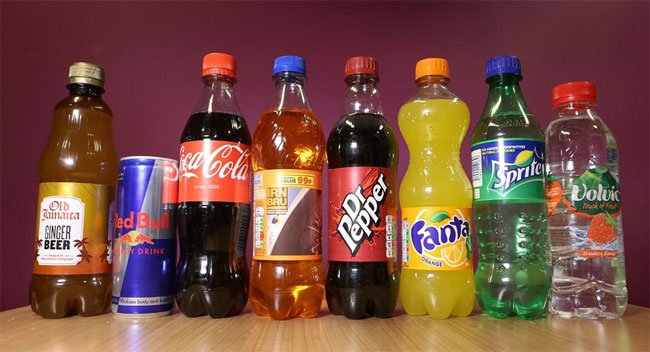
1. Sugary Soft Drinks
Soft drinks are among the most common beverages worldwide, but they are also one of the biggest sources of added sugar, particularly high-fructose corn syrup.
Excess sugar intake can lead to:
- Fat buildup in the liver
- Insulin resistance
- Increased risk of fatty liver disease
Unlike glucose, fructose is processed almost entirely by the liver. When consumed in large amounts, it can overwhelm the liver and contribute to long-term damage.

2. Energy Drinks
Energy drinks are marketed for performance and alertness, but they often contain:
- High levels of sugar
- Large doses of caffeine
- Artificial additives
In some cases, excessive consumption has been linked to liver stress due to the combination of stimulants and chemicals. The impact may be greater when consumed frequently or alongside other unhealthy habits.
3. Sweetened Fruit Juices
Fruit juice may sound healthy, but many packaged versions contain added sugars and very little fiber.
Without fiber to slow absorption:
- Sugar enters the bloodstream quickly
- The liver processes large amounts of fructose
- Blood sugar spikes become more frequent
Even 100% fruit juice, when consumed in excess, can contribute to similar issues as sugary drinks.
4. Artificially Sweetened Beverages
Diet sodas and “zero sugar” drinks are often chosen as alternatives to sugary beverages. While they reduce calorie intake, they may still impact liver health in indirect ways.
Some concerns include:
- Effects on metabolism
- Changes in gut bacteria
- Potential long-term metabolic stress
Research is still ongoing, but moderation is generally recommended.
5. Excessive Protein or Supplement Drinks
Protein shakes and supplement drinks are popular, especially among fitness enthusiasts. While they can be beneficial when used correctly, overconsumption may put extra pressure on the liver.
This is particularly true when:
- Intake exceeds the body’s needs
- Products contain additives or artificial ingredients
- They are used as meal replacements without balance
The liver plays a key role in processing protein, and excessive intake may increase its workload.
Why These Drinks Can Be Risky
The common factor among these beverages is overload.
- Too much sugar forces the liver to store fat
- Additives and chemicals require processing and detoxification
- Excess nutrients (like protein) increase metabolic demand
Unlike alcohol, which is often consumed occasionally, these drinks are sometimes consumed daily, making their long-term impact significant.
Signs Your Liver May Be Under Stress
Liver issues often develop silently, but some signs may include:
- Persistent fatigue
- Digestive discomfort
- Unexplained weight changes
- Changes in skin or eye color
These symptoms are not specific, but they highlight the importance of awareness.
Healthier Alternatives
To support liver health, consider replacing these drinks with:
- Water (the best and simplest option)
- Herbal teas
- Fresh fruit in whole form instead of juice
- Natural, low-sugar beverages
Small changes in daily habits can reduce long-term risk.
A Balanced Perspective
It’s important to clarify: these drinks are not inherently “worse than alcohol” in every situation. The real issue lies in frequency, quantity, and overall lifestyle.
Occasional consumption is unlikely to cause harm. However, regular and excessive intake can contribute to cumulative stress on the liver.

Final Thoughts
Liver health is influenced by more than just alcohol. Everyday choices—including what you drink—play a major role over time.
By becoming more aware of hidden sources of sugar, additives, and excess nutrients, you can make smarter decisions that support long-term well-being.
Sometimes, the biggest risks are not the obvious ones—but the ones we consume without a second thought.