Diabetes can affect far more than blood sugar. Over time, consistently high blood glucose levels can damage nerves throughout the body, particularly those in the feet and legs. This condition is known as diabetic neuropathy, and it can develop gradually - sometimes so slowly that a person barely notices the first changes.
That is what makes the condition easy to overlook. A little tingling may seem harmless. Occasional numbness might be blamed on sitting in an awkward position. A burning sensation in the feet may be dismissed as tiredness.
But persistent or worsening changes in sensation deserve attention.
Recognizing the early warning signs can help people seek medical advice sooner, identify problems that may need treatment, and take steps to reduce the risk of complications.
Here are five important signs of diabetic neuropathy to watch for.
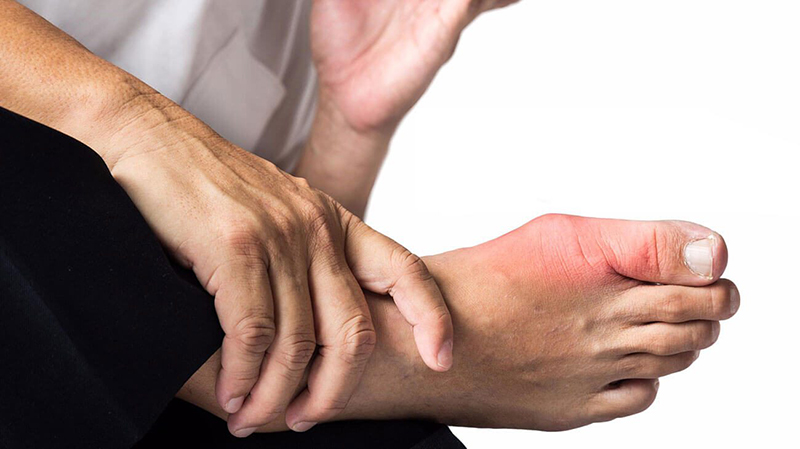
1. Tingling or a “Pins and Needles” Sensation
One of the earliest symptoms people may notice is an unusual tingling sensation.
It can feel like:
-
Pins and needles
-
Tiny electric shocks
-
Crawling or buzzing
-
Prickling beneath the skin
-
A sensation similar to a limb “falling asleep”
The feeling often begins in the toes or feet and may gradually move upward into the legs. In some cases, the hands and fingers can eventually become affected as well.
This pattern is sometimes described as a “stocking-and-glove” distribution, because the symptoms tend to affect the feet and hands in a relatively symmetrical way.
Occasional tingling does not automatically mean someone has diabetic neuropathy. Nerve compression, vitamin deficiencies, certain medications, alcohol use, and other neurological conditions can cause similar symptoms.
However, if tingling becomes persistent—particularly in someone with diabetes—it is worth discussing with a healthcare professional.
2. Numbness or Reduced Sensation
Another important warning sign is gradually losing sensation.
You might notice that your feet no longer feel temperature, pressure, or touch as clearly as they once did.
For example, someone might step on a small object and barely notice it. They may not immediately realize that their shoes are rubbing against their skin. In some cases, they may have difficulty telling whether bath water is too hot.
This loss of sensation can be particularly dangerous because pain normally acts as an alarm system.
If a person with reduced sensation develops a blister, cut, burn, or pressure injury, they may not feel it. The wound can therefore remain unnoticed and potentially become infected.
For people with diabetes, checking the feet regularly is an important habit, especially when numbness is already present.
Look for:
-
Cuts
-
Blisters
-
Redness
-
Swelling
-
Cracked skin
-
Sores
-
Changes in skin color
-
Areas of unusual warmth
If you notice a wound that is not healing normally, contact a healthcare professional rather than waiting for it to become painful.
3. Burning or Sharp Pain in the Feet
Neuropathy does not always cause numbness.
In fact, some people experience significant nerve pain even when there is no obvious injury.
The pain may be described as burning, stabbing, shooting, or unusually intense sensitivity.
Some people say their feet feel as though they are on fire, while others experience sudden electrical or needle-like sensations.
Symptoms may be particularly noticeable at night, potentially interfering with sleep.
Even light contact can sometimes feel uncomfortable. Something as simple as a bedsheet touching the feet may become irritating or painful.
This happens because damaged nerves can send abnormal pain signals to the brain.
Importantly, the severity of pain does not necessarily correspond to the visible appearance of the feet. The skin may look completely normal while the underlying nerves are producing intense sensations.
Persistent burning or unexplained nerve-like pain should therefore not simply be dismissed as tired feet.
4. Extreme Sensitivity to Touch or Temperature
Another possible sign is a change in the way ordinary sensations feel.
A touch that used to be completely comfortable may suddenly feel painful or irritating. This phenomenon is sometimes called allodynia, where normally non-painful stimuli cause pain.
Other people experience heightened sensitivity to heat or cold.
For example, a person may find that:
-
Socks feel unusually uncomfortable.
-
Bed sheets irritate their feet.
-
A light touch produces sharp pain.
-
Warm water feels excessively hot.
-
Cold temperatures cause unusually strong discomfort.
These changes can occur because damaged sensory nerves are no longer transmitting signals normally.
However, sensitivity changes can have many causes, so they should not automatically be attributed to diabetes. A medical evaluation can help determine what is actually happening.
![Giải mã] Biến chứng thần kinh ở người tiểu đường](https://lh7-us.googleusercontent.com/3Z5KC8iwqhWVSPy1obn5Ldp05uN6r2C62P3FvA6DSXGnyptoJnC0o7NysaOxS8bT1zhm1oyc1xz_TYxrPm93Wxu2WnDAlR2coE6yrS_Pxl4hMsraZG_lNo-_PTPglnG5fd4EssY0-Yiucfbjtd1PTaM)
5. Muscle Weakness, Balance Problems, or Changes in Walking
As nerve damage becomes more advanced, it can affect more than sensation.
Some people may develop muscle weakness, particularly in the feet or lower legs. This can make certain movements more difficult and may contribute to changes in walking.
A person might notice that they:
-
Trip more frequently
-
Feel unsteady
-
Have difficulty climbing stairs
-
Struggle to lift the front of the foot
-
Find walking on uneven surfaces harder
-
Feel less confident with their balance
Not every balance problem is caused by diabetic neuropathy. Vision problems, inner-ear disorders, medications, muscle weakness, neurological conditions, and many other factors can contribute.
But new or progressive balance difficulties in a person with diabetes deserve medical attention, particularly if they occur alongside numbness or tingling.
Why Does Diabetes Damage the Nerves?
The exact mechanisms behind diabetic neuropathy are complex, but prolonged high blood glucose levels can contribute to nerve damage and changes in the small blood vessels that supply nerves.
Over time, this can interfere with normal nerve function.
The risk tends to increase with longer duration of diabetes, particularly when blood glucose has been difficult to control. Other factors can also contribute, including high blood pressure, abnormal cholesterol levels, kidney disease, smoking, excess alcohol consumption, and certain nutritional problems.
Diabetic neuropathy can affect different types of nerves.
The most common form is distal symmetric peripheral neuropathy, which primarily affects the feet and legs and can later involve the hands and arms.
But diabetes can also affect autonomic nerves, which control functions such as digestion, blood pressure, sweating, bladder function, and sexual function.
That means neuropathy is not limited to numb feet.
Why Early Detection Matters
One of the biggest concerns with diabetic neuropathy is that nerve damage can make other problems harder to detect.
Imagine developing a small blister from a poorly fitting shoe.
For someone with normal sensation, the discomfort may encourage them to remove the shoe and examine the area.
For someone with significant neuropathy, that warning signal may be reduced or absent.
The person may continue walking on the injured area for days without realizing there is a problem.
Repeated pressure can worsen the injury, and people with diabetes may also have impaired circulation or reduced ability to fight infection, increasing the potential for serious complications.
This is why foot care becomes especially important when neuropathy is present.
What Should People With Diabetes Do About These Symptoms?
If you have diabetes and notice persistent tingling, numbness, burning pain, unusual sensitivity, or changes in balance, make an appointment with your healthcare professional.
Evaluation may include a discussion of your symptoms and a physical examination.
A clinician may check:
-
Reflexes
-
Sensation
-
Muscle strength
-
Foot condition
-
Blood circulation
-
Ability to detect vibration or pressure
Depending on your symptoms, other tests may be appropriate to look for diabetes-related nerve damage or alternative explanations.
It is important not to assume that every unusual sensation is caused by diabetes. Conditions such as vitamin B12 deficiency, thyroid disorders, nerve compression, medication effects, alcohol-related nerve damage, and other neurological disorders can sometimes produce similar symptoms.
Finding the underlying cause is essential.
Simple Foot-Care Habits Can Make a Difference
If you have diabetes, especially if you have reduced sensation, make foot care part of your routine.
Check Your Feet Every Day
Look carefully for cuts, blisters, cracks, redness, swelling, or other changes.
If it is difficult to see the bottoms of your feet, use a mirror or ask someone you trust to help.
Choose Comfortable Shoes
Shoes should fit properly and should not create areas of persistent pressure or friction.
Avoid walking barefoot if reduced sensation makes it difficult to notice injuries.
Keep Skin Moisturized—but Not Between the Toes
Dry, cracked skin can create openings where infection may develop. Moisturizer can help protect the skin, but excessive moisture between the toes can encourage fungal problems.
Don't Treat Corns or Calluses Aggressively
Avoid cutting them yourself with blades or sharp instruments.
If a thickened area is causing problems, ask a healthcare professional about safe treatment.
Don't Use Very Hot Water
Reduced temperature sensation can make it difficult to recognize burns.
Test bath or shower water carefully rather than relying only on your feet to judge the temperature.
When Is a Foot Problem an Emergency?
Certain symptoms require prompt medical attention.
Seek urgent medical care if you develop a rapidly worsening foot wound, spreading redness, significant swelling, pus or drainage, fever, severe pain, blackened tissue, or other signs of serious infection or tissue damage.
Also seek urgent help if new weakness develops suddenly, particularly if it affects one side of the body or occurs with other neurological symptoms.
Don't wait for a diabetic foot problem to become extremely painful. Neuropathy can reduce pain sensations, meaning a serious problem may sometimes look less dramatic than it actually is.
Can Diabetic Neuropathy Be Prevented?
Not every case can be prevented, but managing diabetes and other cardiovascular risk factors can reduce the risk of developing or worsening diabetic nerve damage.
Depending on your individual situation, this may involve:
-
Keeping blood glucose within your recommended range
-
Managing blood pressure
-
Monitoring cholesterol
-
Avoiding smoking
-
Limiting excessive alcohol
-
Maintaining physical activity appropriate for your health
-
Eating a balanced diet
-
Attending recommended diabetes appointments
-
Having regular foot examinations
If you already have neuropathy, treatment focuses on addressing the underlying diabetes and managing symptoms while preventing complications.
Some medications can help with neuropathic pain, but the appropriate choice depends on the individual and should be discussed with a healthcare professional.
![Giải mã] Biến chứng thần kinh ở người tiểu đường](https://lh7-us.googleusercontent.com/-ESAygben8hd-1rlUlbWQ6Mil6DaJUJV8SLT6ocFZ93XHt92hzKjFQiL8UsA02YFte-tNw51QlUt0KtpBDI9mrokWpsdFbbPnByFkgtB62jQYSUFxj7IuZLfD3LcuEG96TRm03sB2iuxuwlkvq2r5D4)
The Bottom Line
Tingling, numbness, burning pain, unusual sensitivity, and balance or muscle changes can all be possible signs of diabetic neuropathy.
None of these symptoms alone proves that nerve damage is caused by diabetes. Many other conditions can produce similar sensations.
But if you have diabetes and notice that your feet, legs, hands, or balance are changing, don't simply assume it's part of getting older or something that will disappear on its own.
Your nerves may be giving you information about what is happening in your body.
Recognizing those changes early, getting the right medical evaluation, and taking good care of your feet can help reduce the risk of injuries and other complications. When it comes to diabetic neuropathy, paying attention to small changes can be an important part of protecting your long-term health.