Most people think that turning off an appliance is enough to stop it from consuming electricity. However, many modern devices continue drawing a small amount of power even when switched off. This phenomenon is often called "standby power" or "phantom energy."
Although the energy consumed by a single device may seem insignificant, multiple appliances operating in standby mode throughout the day can contribute to higher electricity bills over time. In addition, some devices may present unnecessary safety risks if left plugged in continuously.
Unplugging certain appliances when they are not in use can be a simple habit that helps reduce energy consumption, protect electronics, and improve household safety.
Here are five common household appliances that may be worth unplugging when you're finished using them.

What Is Phantom Energy?
Phantom energy refers to electricity consumed by devices even when they appear to be turned off.
Common Examples Include
-
Appliances with digital clocks
-
Devices with remote-control functions
-
Chargers left plugged into outlets
-
Electronics in standby mode
Many modern homes contain dozens of devices that continuously draw small amounts of power.
Why Does Standby Power Matter?
The energy consumed by a single appliance may be minimal.
However
When multiple devices remain plugged in around the clock, the total electricity usage can add up.
Potential Benefits of Unplugging Devices Include
-
Lower electricity consumption
-
Reduced wear on electronics
-
Better protection from power surges
-
Improved household safety
Appliance #1: Phone and Tablet Chargers
One of the most commonly overlooked sources of standby power is the phone charger.
Why Chargers Continue Using Energy
Many chargers draw small amounts of electricity whenever they remain connected to an outlet.
Even If No Device Is Connected
The charger itself may still consume energy.
Additional Considerations
Chargers can also become warm if left plugged in for extended periods.
Best Practice
Unplug chargers when they are not actively charging a device.
Appliance #2: Coffee Makers
Coffee makers are a staple in many households.
Modern Coffee Makers Often Include
-
Digital clocks
-
Timers
-
Programmable settings
These features require electricity even when coffee is not being brewed.
Why Unplugging May Help
Unplugging eliminates standby power usage and reduces the risk of electrical issues.
Particularly Important
If leaving home for several days, consider unplugging small kitchen appliances.
Appliance #3: Toasters and Toaster Ovens
Many people leave toasters plugged in permanently.
Potential Concerns Include
-
Accidental activation
-
Electrical faults
-
Crumb accumulation
While serious problems are uncommon, unplugging can add an extra layer of safety.
Toaster Ovens
These appliances often consume more standby power than traditional toasters because of:
-
Digital displays
-
Timers
-
Electronic controls
Appliance #4: Television and Entertainment Systems
Modern entertainment systems often remain in standby mode.
Common Devices Include
-
Televisions
-
Streaming devices
-
Gaming consoles
-
Sound systems
Why They Use Power
Many electronics are designed to start instantly when a remote control is used.
To enable this convenience, they continue drawing electricity.
Signs of Standby Mode
-
Indicator lights
-
Digital displays
-
Remote-control readiness
How Much Energy Can They Use?
The amount varies by device, but entertainment centers are often among the most significant contributors to household standby energy consumption.
Appliance #5: Desktop Computers and Accessories
Many people leave computers connected at all times.
Associated Equipment May Include
-
Monitors
-
Printers
-
Speakers
-
External hard drives
Even when powered down, some equipment may continue drawing electricity.
Additional Benefits of Unplugging
Disconnecting electronics can also help protect against:
-
Voltage fluctuations
-
Power surges
-
Lightning-related damage
What About Power Strips?
Power strips can simplify energy management.
Smart Power Strips
Some models automatically cut power to devices that enter standby mode.
Benefits Include
-
Convenience
-
Energy savings
-
Reduced phantom power consumption
These systems can be particularly useful for home offices and entertainment centers.
Are All Appliances Safe to Unplug?
Not necessarily.
Certain appliances are designed to remain connected continuously.
Examples Include
-
Refrigerators
-
Freezers
-
Medical equipment
-
Home security systems
These devices should generally remain plugged in unless specific instructions indicate otherwise.
What About Microwaves?
Microwaves often consume small amounts of electricity to power:
-
Clocks
-
Displays
-
Control panels
Whether to unplug them depends on personal preference.
Considerations
Frequent unplugging may be inconvenient, and energy savings may be relatively modest.
Common Misconceptions About Unplugging Appliances
Myth 1: Turned-Off Devices Use No Electricity
Many devices continue consuming standby power.
Myth 2: Standby Energy Is Too Small to Matter
The cumulative effect of multiple devices can be meaningful over time.
Myth 3: Unplugging Always Saves Huge Amounts of Money
Savings vary depending on:
-
Device type
-
Number of devices
-
Household habits
Myth 4: Every Appliance Should Be Unplugged
Some appliances are designed to remain connected continuously.
Other Ways to Reduce Household Energy Use
Unplugging is only one part of energy conservation.
Additional Strategies Include
Use Energy-Efficient Appliances
Newer models often consume less electricity.
Turn Off Lights When Not Needed
A simple but effective habit.
Use LED Lighting
LED bulbs typically consume less energy than traditional bulbs.
Maintain Appliances Properly
Well-maintained equipment often operates more efficiently.
Adjust Thermostat Settings
Heating and cooling systems account for a large portion of household energy use.
Electrical Safety Benefits
Beyond energy savings, unplugging certain appliances can enhance safety.
Potential Advantages Include
-
Reduced risk of electrical faults
-
Less exposure to power surges
-
Lower risk of overheating
Although modern appliances are generally safe, minimizing unnecessary electrical activity can provide additional peace of mind.
When Leaving Home for Extended Periods
If traveling for several days or longer, consider unplugging:
Non-Essential Devices Such As
-
Chargers
-
Coffee makers
-
Toasters
-
Televisions
-
Computers
This can reduce energy use while the home is unoccupied.
Building Better Habits
Creating simple habits often produces the greatest long-term results.
Easy Practices Include
-
Unplug chargers after use
-
Turn off power strips overnight
-
Disconnect rarely used electronics
-
Review standby devices periodically
Small changes can add up over time.
The Bigger Picture
Energy conservation is not just about lowering bills.
It Also Supports
-
Resource conservation
-
Environmental sustainability
-
Appliance longevity
-
Household safety
Thoughtful energy use benefits both homeowners and the broader community.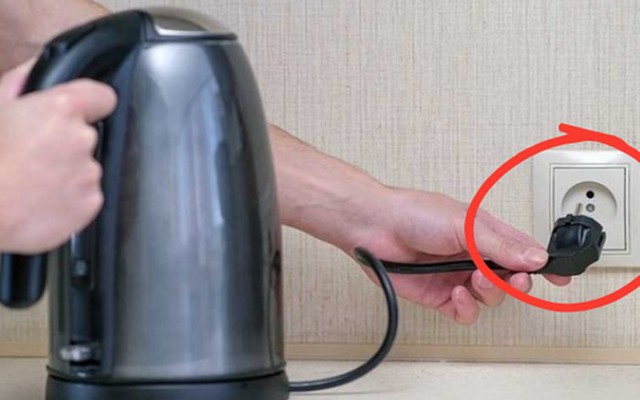
Final Thoughts
Many everyday appliances continue drawing small amounts of electricity even when they appear to be turned off. Chargers, coffee makers, toasters, entertainment systems, and computer accessories are among the most common examples. While the energy used by each device may seem minor, the combined effect can contribute to unnecessary electricity consumption over time.
Unplugging these appliances when they are not in use is a simple habit that may help reduce standby power usage, protect electronics from power surges, and enhance household safety. Although not every appliance should be disconnected, being mindful of which devices remain plugged in can make a meaningful difference in both energy efficiency and peace of mind.