The liver is one of the most important organs in the human body. It performs hundreds of vital functions, including filtering toxins from the blood, processing nutrients, producing bile for digestion, and regulating metabolism. Because of its essential role, maintaining liver health is critical for overall wellbeing.
However, modern eating habits and lifestyle choices can place extra strain on the liver. Highly processed foods, excessive sugar, and unhealthy fats are common in many diets today. Over time, regularly consuming certain types of food may contribute to liver stress and increase the risk of conditions such as fatty liver disease.
Understanding which foods may negatively affect liver health can help people make better dietary choices. While occasional consumption of these foods is generally not harmful for healthy individuals, frequent or excessive intake may place additional pressure on the liver.
Below are five common foods that experts often recommend limiting in order to support liver health.

1. Sugary Foods and Sweetened Beverages
Foods and drinks that contain large amounts of added sugar are among the biggest concerns for liver health.
When the body consumes excess sugar, especially fructose, the liver converts much of it into fat. Over time, this process may contribute to fat accumulation in liver cells.
Common high-sugar items include:
-
Soft drinks and soda
-
Sweetened fruit juices
-
Candy and desserts
-
Pastries and baked goods
Frequent consumption of sugary foods may increase the risk of developing non-alcoholic fatty liver disease (NAFLD), a condition in which fat builds up in the liver.
Choosing water, unsweetened beverages, and whole fruits instead of sugary drinks can help reduce sugar intake.
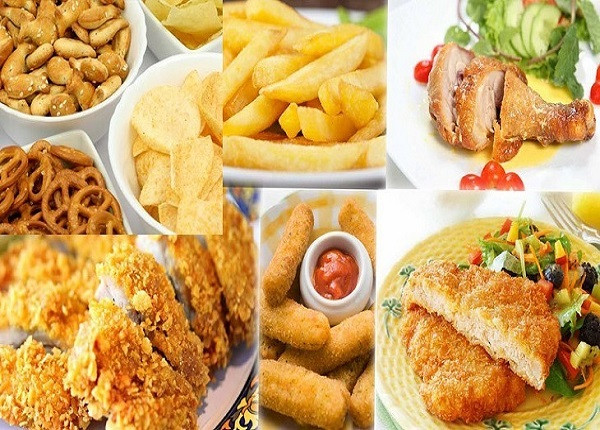
2. Fried and Fast Foods
Fried foods and many fast-food items contain high levels of unhealthy fats and calories. These foods are often prepared using oils that are repeatedly heated, which may produce harmful compounds.
Examples of such foods include:
Diets high in fried foods may contribute to weight gain and fat accumulation in the liver.
In addition, excessive intake of saturated and trans fats can affect cholesterol levels and increase the risk of metabolic problems that impact liver health.
Preparing meals at home using healthier cooking methods such as baking, steaming, or grilling can help reduce these risks.
3. Processed Meats
Processed meats are commonly found in many diets due to their convenience and strong flavor. However, they often contain preservatives, sodium, and unhealthy fats that may affect overall health.
Examples of processed meats include:
-
Sausages
-
Bacon
-
Ham
-
Hot dogs
-
Deli meats
High consumption of processed meats may contribute to metabolic disorders, inflammation, and other health concerns that indirectly affect liver function.
Limiting processed meats and choosing lean protein sources such as fish, poultry, beans, or legumes may help support better health.
4. Excessive Alcohol
Alcohol is one of the most well-known substances that can affect liver health.
The liver is responsible for breaking down alcohol in the body. When alcohol is consumed frequently or in large amounts, the liver must work harder to process it.
Over time, excessive alcohol intake can lead to several liver-related conditions, including:
-
Fatty liver
-
Alcoholic hepatitis
-
Liver inflammation
-
Cirrhosis
Moderation is essential when it comes to alcohol consumption. Health experts generally recommend limiting alcohol intake to moderate levels or avoiding it altogether for individuals with liver concerns.
5. Highly Processed Foods
Highly processed foods often contain a combination of refined carbohydrates, unhealthy fats, artificial additives, and high levels of sodium.
Examples include:
These foods tend to be low in fiber and essential nutrients while being high in calories.
Regular consumption of highly processed foods may contribute to weight gain, insulin resistance, and metabolic imbalance, all of which can place stress on the liver.
Choosing whole, minimally processed foods such as fruits, vegetables, whole grains, and lean proteins can help support better liver function.
Foods That Support Liver Health
While certain foods may strain the liver when consumed excessively, many others can support liver function.
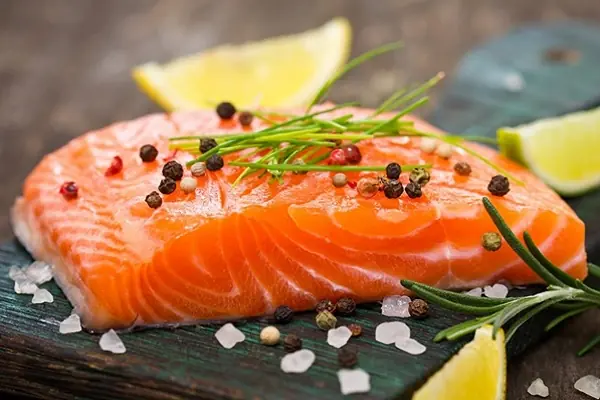
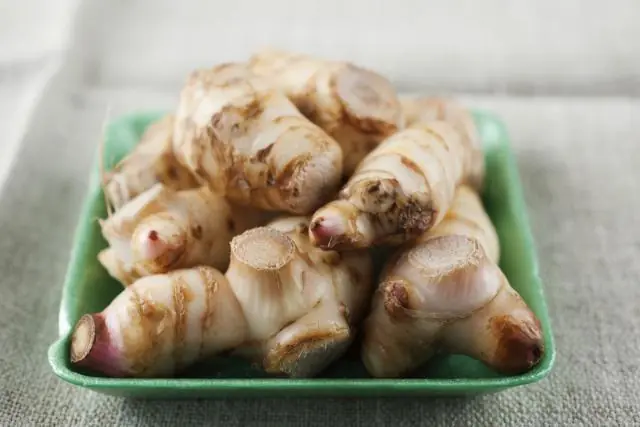
Examples of liver-friendly foods include:
These foods contain antioxidants, fiber, and essential nutrients that may help protect liver cells and support overall metabolic health.
Lifestyle Habits That Protect the Liver
In addition to diet, several lifestyle habits play a role in maintaining liver health.
Helpful practices include:
-
Maintaining a healthy body weight
-
Engaging in regular physical activity
-
Staying hydrated
-
Avoiding unnecessary medications or toxins
-
Getting regular medical checkups
These habits can help reduce stress on the liver and support long-term health.
Final Thoughts
The liver works continuously to protect the body from harmful substances and to process nutrients from the foods we eat. Because of its important role, it is essential to support liver health through mindful dietary choices.
Foods high in sugar, unhealthy fats, alcohol, and excessive processing may place additional strain on the liver when consumed frequently. Limiting these foods and focusing on balanced nutrition can help maintain healthy liver function.
By adopting healthier eating habits and maintaining an active lifestyle, individuals can help protect their liver and promote overall wellbeing for years to come.