These Foot Symptoms May Sometimes Signal Liver Problems 😨
Most people don’t immediately think about the liver when they notice changes in their feet. But surprisingly, your feet can sometimes reveal early clues about what’s happening inside your body — including potential liver issues.
The liver plays a major role in filtering toxins, producing proteins, regulating blood flow, and supporting metabolism. When liver function becomes impaired, the effects can show up in unexpected places, including the lower legs and feet.
Here are some foot symptoms that may occasionally be linked to liver problems.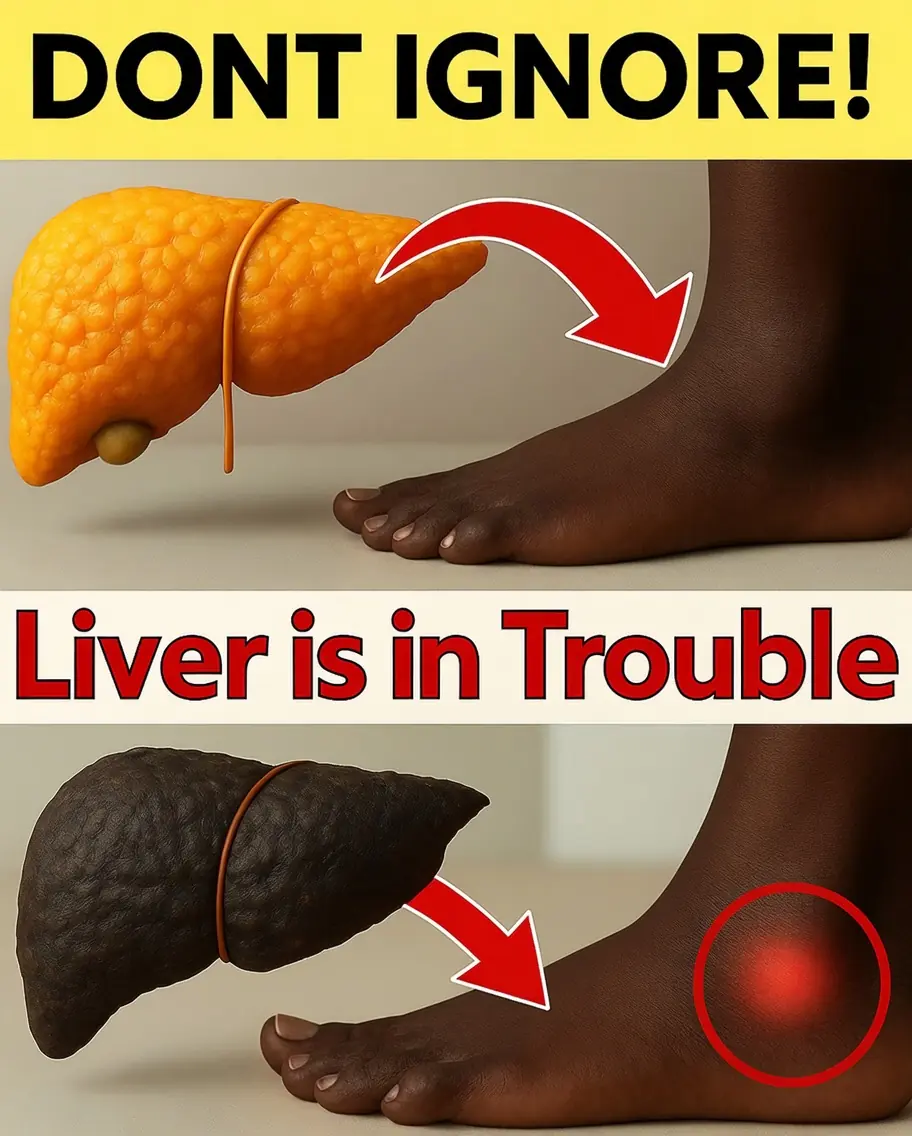
1. Swollen Feet and Ankles
One of the most common signs associated with advanced liver disease is swelling in the feet, ankles, or lower legs — a condition called edema.
When the liver is damaged, it may produce lower levels of albumin, a protein that helps keep fluid inside blood vessels. Reduced albumin levels can allow fluid to leak into surrounding tissues, causing swelling. Liver disease can also increase pressure in blood vessels, further contributing to fluid buildup. (Cleveland Clinic)
Watch for:
- Puffy ankles
- Tight shoes that suddenly feel uncomfortable
- Swelling that worsens throughout the day
2. Itchy Feet
Persistent itching — especially on the soles of the feet — may sometimes occur in people with liver disease.
Researchers believe this may be related to the buildup of bile salts or other substances in the bloodstream when liver function is impaired. The itching can range from mild irritation to severe discomfort and may become worse at night. (British Liver Trust)
Watch for:
- Unexplained itching without a rash
- Burning or tingling sensations
- Symptoms that persist for weeks
3. Yellowish Skin or Toenails
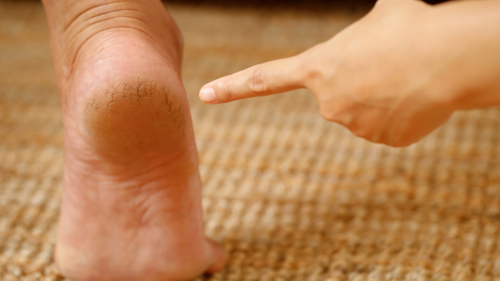
Yellowing of the skin or eyes — known as jaundice — is a classic sign of liver dysfunction. In some cases, yellow discoloration may also become noticeable in the toenails or skin around the feet.
This happens when bilirubin, a yellow pigment normally processed by the liver, builds up in the body. (Mayo Clinic)
Watch for:
- Yellow tint in nails or skin
- Dark urine
- Pale-colored stool
4. Red or Burning Feet
Some people with liver disease develop redness in the palms or soles, a condition linked to changes in blood circulation and hormone metabolism.
Burning sensations or unusual warmth in the feet may also occur in certain liver conditions, particularly when nerve damage or circulation problems are involved. (American Liver Foundation)
Watch for:
- Red soles of the feet
- Warmth or burning feelings
- Sensitivity without obvious injury
5. Easy Bruising or Bleeding

The liver helps produce proteins needed for blood clotting. When liver function declines, bruising may occur more easily — including around the feet and ankles.
Minor bumps that leave unusually dark bruises could sometimes indicate clotting issues related to liver disease. (NHS)
Watch for:
- Bruising with little or no injury
- Frequent bleeding
- Slow wound healing
Important: These Symptoms Can Have Many Causes
Foot symptoms alone do not automatically mean you have liver disease.
Swelling, itching, redness, or discoloration can also be linked to:
- Poor circulation
- Diabetes
- Kidney disease
- Allergies
- Infections
- Heart conditions
- Nerve disorders
However, if these symptoms appear alongside fatigue, abdominal swelling, nausea, loss of appetite, or yellowing of the eyes, it’s important to seek medical evaluation.
The Bottom Line
Your feet can sometimes provide early warning signs about your overall health — including potential liver problems. Swelling, itching, redness, yellow discoloration, or unexplained bruising may occasionally reflect underlying liver dysfunction, especially when combined with other symptoms.
While these signs are not specific to liver disease, they should never be ignored if they persist or worsen over time.
Listening to your body early can make a major difference in protecting your long-term health.
Sources
- Cleveland Clinic – Cirrhosis of the Liver
https://my.clevelandclinic.org/health/diseases/15446-cirrhosis-of-the-liver - Mayo Clinic – Jaundice
https://www.mayoclinic.org/diseases-conditions/jaundice/symptoms-causes/syc-20373847 - NHS – Cirrhosis
https://www.nhs.uk/conditions/cirrhosis/ - British Liver Trust – Itching and Liver Disease
https://britishlivertrust.org.uk/information-and-support/living-with-a-liver-condition/symptoms/itching/ - American Liver Foundation – Complications of Liver Disease
https://liverfoundation.org/liver-diseases/complications-of-liver-disease/