A homemade salad dressing can be one of the easiest ways to add flavor and boost the nutritional content of your meal. But the type of oil you use matters, since different oils offer various amounts of unsaturated fats, antioxidants, and plant compounds b
1. Olive OilExtra-virgin olive oil contains more polyphenols than regular and more refined olive oils. Research suggests that consuming 20-30 grams of extra-virgin olive oil per day is associated with a reduced risk of heart disease and stroke.
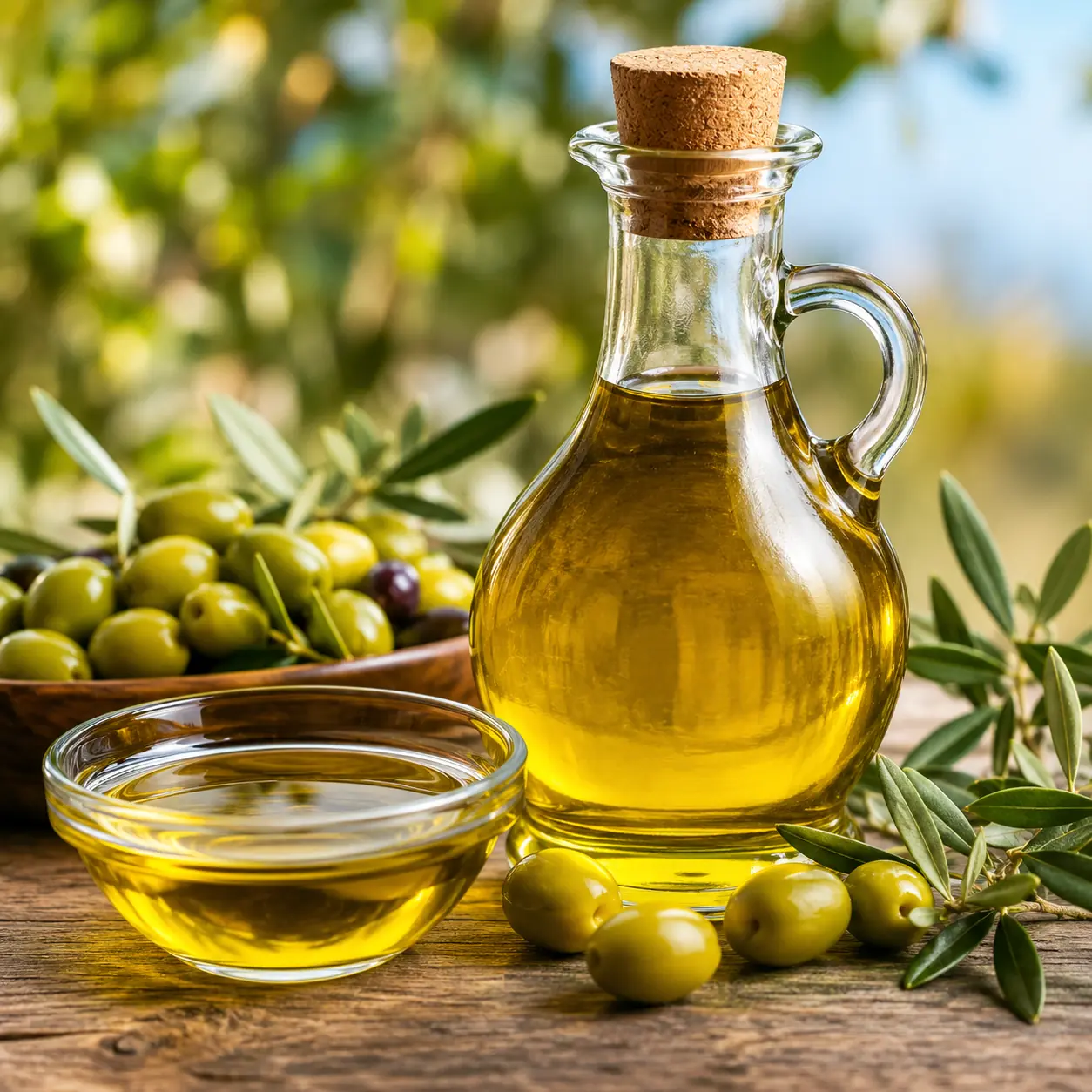
Polyphenols in extra-virgin olive oil provide anti-inflammatory benefits, positively influence lipid profiles, increase nitric oxide availability, and reduce blood pressure—all factors that support heart health and contribute to a lower risk of heart disease.
2. Canola OilResearch shows that canola oil lowers total cholesterol and low-density lipoprotein (LDL) cholesterol more significantly than other oils.34 Elevated cholesterol is a significant risk factor for heart disease, and heart disease is the top cause of death.5
Canola oil may have received negative reviews as a seed oil. However, the research suggests that even small changes to your diet—like using canola oil in your salad dressing—can have a significant impact on heart health.
3. Avocado OilAvocado oil is high in unsaturated fats and essential vitamins and minerals, such as vitamin E. One tablespoon of avocado oil provides nearly 10 grams of monounsaturated fats.6 Despite the oil’s positive nutrition profile, limited research exists on the health benefits of avocado oil in humans.
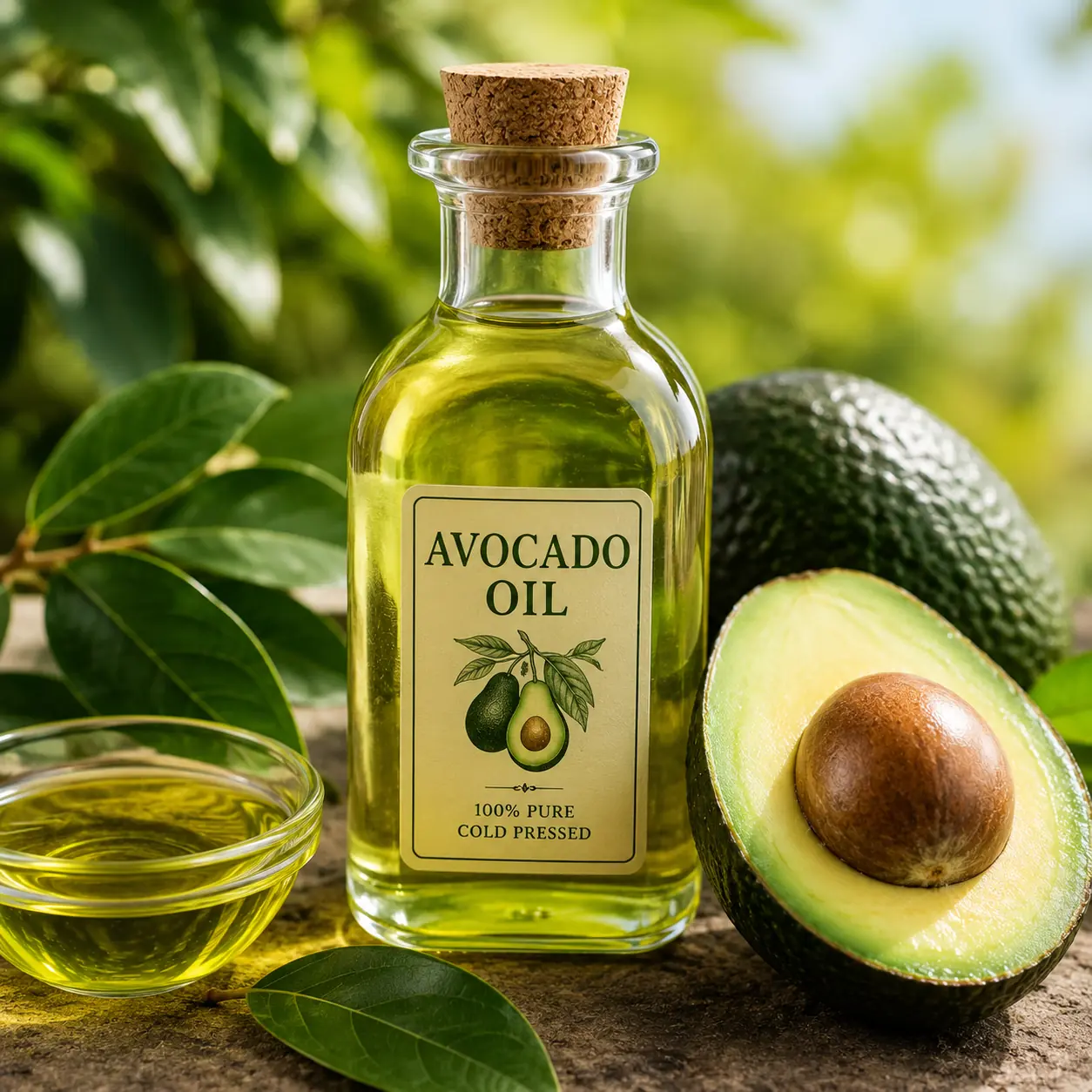
Some research suggests that avocado oil may improve post-meal cardiometabolic health markers when it’s added to a meal. Other preliminary animal research suggests avocado oil may improve lipid profiles, namely raising high-density lipoprotein (HDL) cholesterol and lowering total and LDL cholesterol. Still, additional research in humans is necessary to understand avocado oil’s role in cholesterol management.
4. Walnut OilAccording to some research, walnut oil may reduce vascular inflammation, lowering the risk of heart disease. Specifically, polyunsaturated fats in walnut oil may help blood vessels function better by potentially improving blood vessel function and reducing inflammation.8
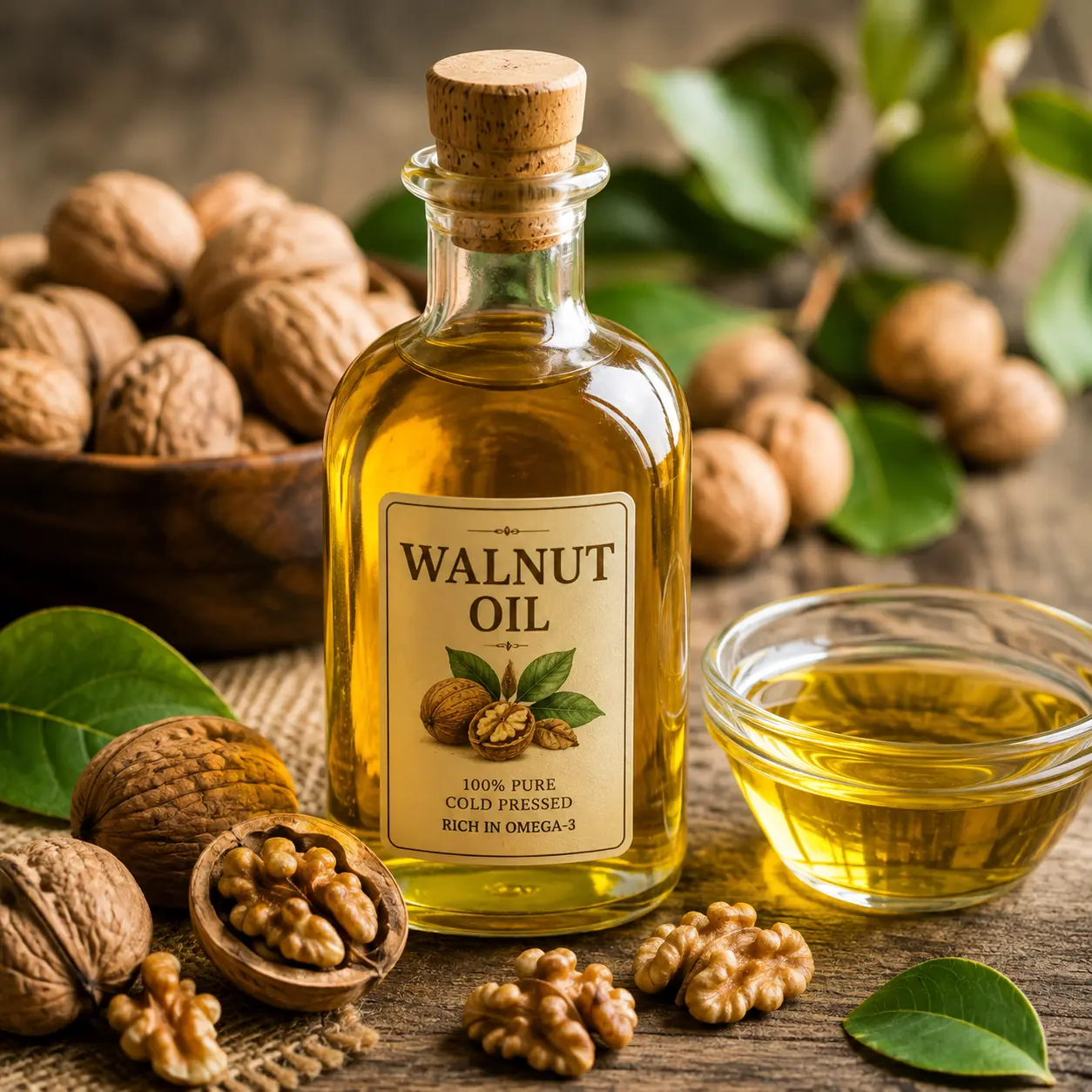
One tablespoon of walnut oil delivers 8.5 grams of polyunsaturated fats.9 These fats include alpha-linolenic acid (ALA), a plant-based omega-3 fat that may be one of the compounds responsible for walnut oil’s heart-protective effects.
5. Flaxseed OilResearch suggests that flaxseed oil may reduce inflammation, particularly among individuals with high cholesterol (dyslipidemia) or coronary heart disease:101112
Some of flaxseed oil’s heart-healthy benefits may be due to its fatty acid profile, namely its ALA content. One tablespoon of flaxseed oil contains 9 grams of polyunsaturated fats.13 The body converts ALA into other long-chain omega-3 fatty acids that influence cholesterol levels.12
How to Make Salad Dressing with the Healthiest Oils
Make your own homemade salad dressing using the healthiest oils to reap their benefits. Start with a 3:1 oil-to-acid ratio, such as vinegar or lemon juice, then add an emulsifier—such as Dijon mustard, tahini, or Greek yogurt—for better texture. Boost flavor with herbs, alliums, spices, or citrus.
Choose the healthiest oils for salad dressing depending on the desired flavor:
Extra-virgin olive oil for an everyday vinaigrette
Avocado oil for a mild, creamy dressing
Canola oil for a neutral flavor
Walnut oil for a nutty flavor
Flaxseed oil for a no-heat dressing