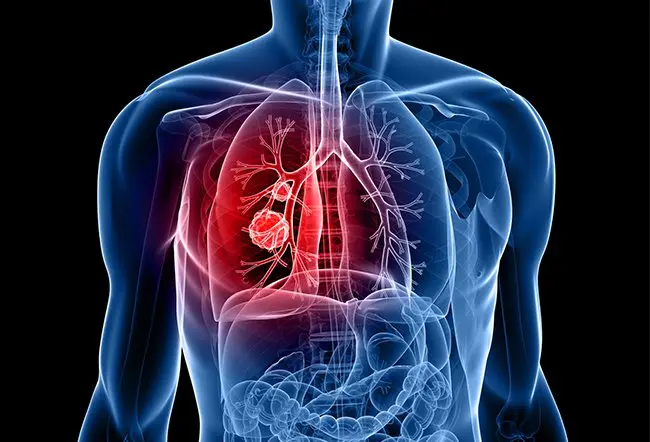
5 Hidden “Lu.ng Destroyers” as Harmful as Smo.king—Yet Many People Still Think They’re Safe
When it comes to lung health, most people immediately think of smoking as the biggest threat. However, experts warn that there are several everyday habits and exposures that can damage the lungs just as seriously—yet often go unnoticed.
Even more concerning, many of these are mistakenly believed to be harmless or even beneficial.
1. Incense Smoke
Burning incense is a common practice in many households, especially during religious rituals. However, the smoke released contains fine particles and toxic substances.
Prolonged exposure may:
- Irritate the respiratory system
- Increase the risk of lung inflammation
- Affect long-term lung function
In poorly ventilated spaces, the impact can be even more severe.
2. Kitchen Fumes From High-Heat Cooking
Cooking methods such as frying, grilling, or stir-frying at high temperatures can produce harmful fumes.
These fumes may contain:
- Fine particulate matter
- Toxic gases
Regular exposure—especially without proper ventilation—can increase the risk of respiratory problems over time.
3. Mold and Damp Environments
Living in humid or moldy environments can significantly affect lung health.
Mold spores in the air may:
- Trigger allergies
- Cause chronic coughing
- Lead to respiratory infections
Long-term exposure is particularly dangerous for people with weak immune systems or pre-existing lung conditions.
4. Scented Products and Chemical Air Fresheners
Many people use air fresheners, scented candles, or cleaning sprays to create a pleasant indoor environment.
However, these products may release:
- Volatile organic compounds (VOCs)
- Irritating chemicals
Frequent exposure can irritate the lungs and worsen respiratory conditions, especially in enclosed spaces.
5. Fine Dust and Air Pollution
Dust and air pollution—especially fine particulate matter—are among the most serious hidden threats.
Sources include:
- Traffic emissions
- Construction dust
- Industrial pollution
These tiny particles can penetrate deep into the lungs, leading to inflammation and increasing the risk of chronic lung diseases.
Why These Risks Are Often Ignored
What makes these factors particularly dangerous is that they are part of everyday life.
Many people:
- Do not recognize the risks
- Are exposed daily without protection
- Mistakenly believe these habits are harmless
As a result, lung damage may develop slowly over time without obvious warning signs.
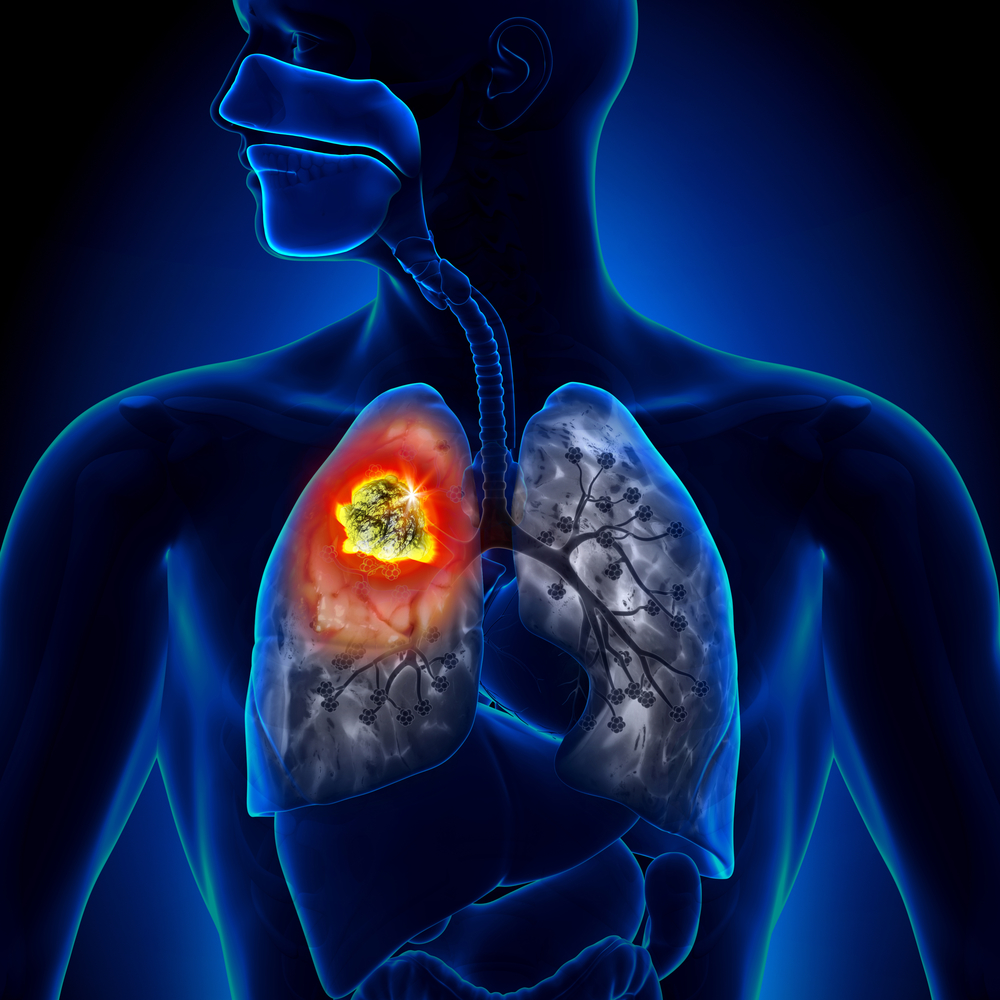
How to Protect Your Lung Health
Experts recommend several simple measures:
- Ensure proper ventilation when cooking
- Limit exposure to smoke and strong fragrances
- Keep living spaces clean and dry
- Use air purifiers if needed
- Wear masks in polluted environments
The Bottom Line
Lung damage is not caused by smoking alone. Many everyday factors can quietly harm your respiratory system over time.
Being aware of these hidden risks—and making small lifestyle changes—can play a crucial role in protecting long-term lung health.