Your Body Often Gives Clues Before Health Problems Develop—Know These 10 Signs!
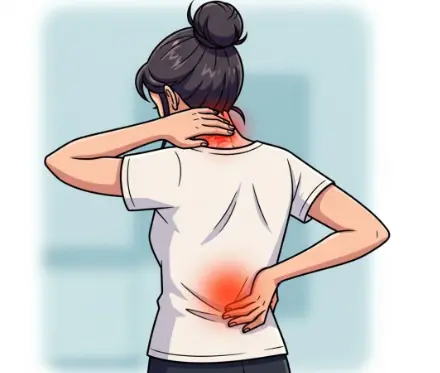
These 10 Symptoms May Reveal More About Your Health Than You Think… 👀👇
Health 22/07/2026 16:28
For centuries, tea has been enjoyed around the world not only for its comforting flavor but also for its potential health benefits. Today, research suggests that certain teas contain naturally occurring compounds that may support cardiovascular health when consumed as part of an overall healthy lifestyle.
However, it's important to separate fact from fiction. No tea can prevent, treat, or cure heart disease on its own. The greatest protection for your heart comes from a combination of healthy eating, regular physical activity, adequate sleep, avoiding tobacco, managing stress, and controlling conditions such as high blood pressure, diabetes, and high cholesterol.
With that in mind, let's explore five natural teas that have been studied for their potential benefits for heart health and what current scientific evidence actually says.
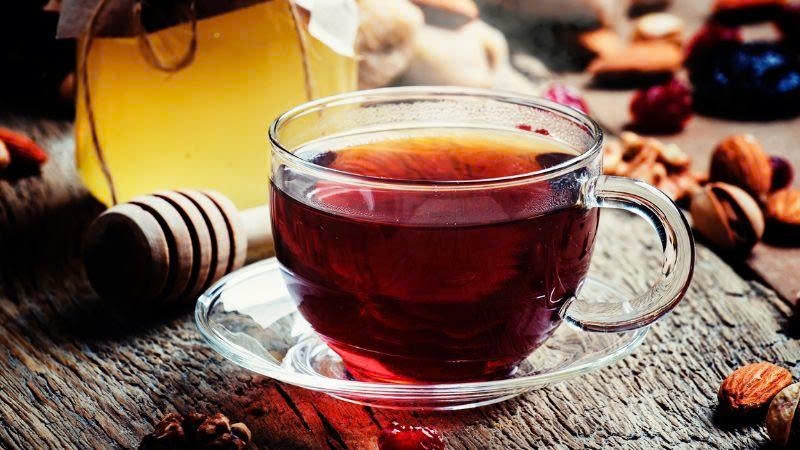
Your cardiovascular system includes your:
Heart
Arteries
Veins
Blood vessels
Together, they deliver oxygen and nutrients throughout your body.
When this system is affected by conditions such as high blood pressure, high cholesterol, or atherosclerosis (plaque buildup in the arteries), the risk of heart attack, stroke, and other cardiovascular diseases increases.
Lifestyle choices play a major role in maintaining a healthy heart.
Many teas contain plant compounds known as polyphenols, including flavonoids and catechins.
These compounds have been studied for their potential to:
Support healthy blood vessel function
Help reduce oxidative stress
Reduce inflammation
Support healthy cholesterol levels
Assist in maintaining normal blood pressure
While research is encouraging, the effects are generally modest, and results vary depending on the type of tea, preparation, and individual health factors.
Green tea is one of the most extensively researched beverages for cardiovascular health.
It contains high levels of antioxidants called catechins, particularly epigallocatechin gallate (EGCG).
Research suggests that regular green tea consumption may:
Support healthy blood vessel function
Help maintain healthy cholesterol levels
Reduce LDL ("bad") cholesterol modestly
Improve antioxidant activity
Support healthy blood pressure in some individuals
Several observational studies have associated regular green tea consumption with a lower risk of cardiovascular disease, although such studies cannot prove cause and effect.
Brew for 2–3 minutes.
Avoid excessive added sugar.
Drink in moderation, especially if sensitive to caffeine.
Hibiscus tea is made from the dried calyces of the Hibiscus sabdariffa plant and has a naturally tart flavor.
It is naturally rich in anthocyanins and other antioxidants.
Some clinical studies suggest hibiscus tea may help:
Support healthy blood pressure
Improve antioxidant status
Promote healthy blood vessel function
The effects tend to be modest and should not replace prescribed blood pressure medication.
People taking medication for high blood pressure or diabetes should consult their healthcare provider, as hibiscus may interact with some medications.
Black tea is the most widely consumed tea in many parts of the world.
Although it undergoes oxidation during processing, it still contains beneficial flavonoids.
Research suggests black tea may:
Support healthy circulation
Improve endothelial (blood vessel) function
Contribute to healthy cholesterol levels
Provide antioxidant protection
Replacing sugary beverages with unsweetened black tea may also help reduce excess sugar intake.
Black tea contains caffeine, so individuals sensitive to caffeine may prefer smaller servings or decaffeinated varieties.
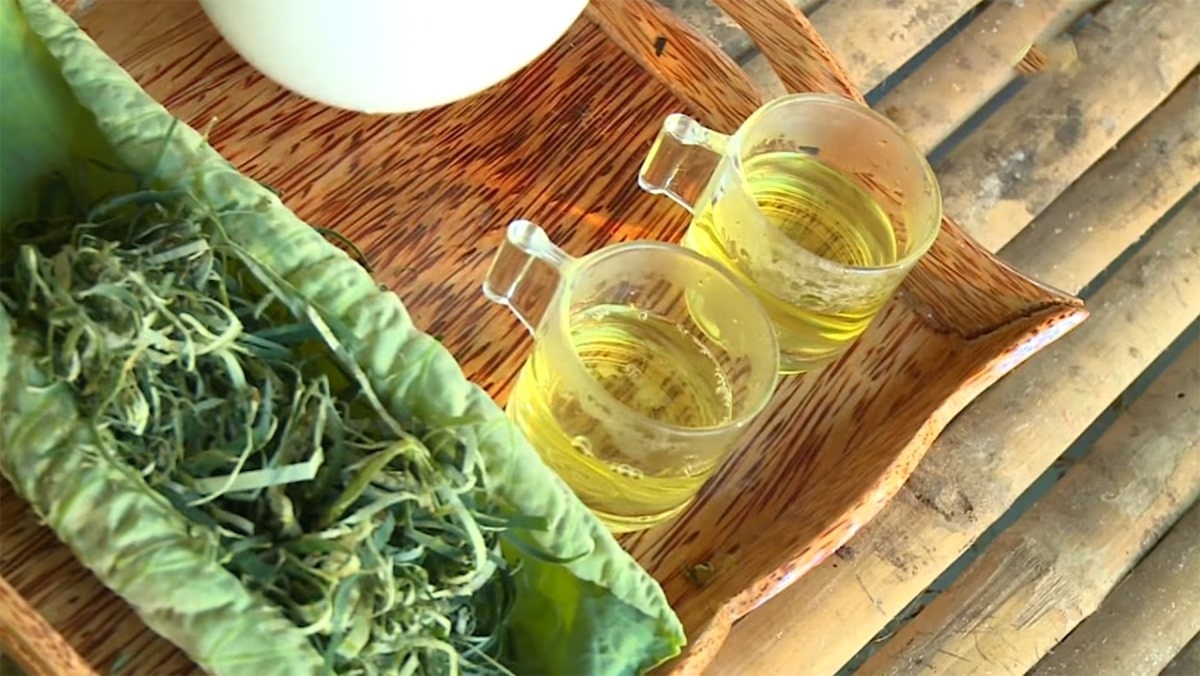
White tea is made from young tea leaves and buds that undergo minimal processing.
Because it is less processed than black tea, it retains many natural plant compounds.
Although research is more limited than for green tea, white tea may:
Provide antioxidant compounds
Support healthy blood vessel function
Help protect cells from oxidative stress
More high-quality human studies are needed to confirm these potential benefits.
Oolong tea falls between green and black tea in terms of processing.
It contains a mixture of catechins and theaflavins.
Some research suggests oolong tea may:
Help maintain healthy cholesterol levels
Support metabolism
Provide antioxidant protection
Promote healthy vascular function
Evidence remains limited, and more research is needed.
The beneficial compounds found in tea include:
Powerful antioxidants found primarily in green tea.
They may help reduce oxidative stress and support blood vessel health.
These plant compounds may help improve endothelial function and support healthy circulation.
Found mainly in black tea, theaflavins have antioxidant properties and may contribute to cholesterol management.
Present in hibiscus tea, these colorful pigments have been studied for their antioxidant and anti-inflammatory effects.
Some studies suggest certain teas—particularly hibiscus and green tea—may contribute to small reductions in blood pressure for some people.
However:
Results vary.
Benefits are usually modest.
Tea should not replace prescribed medication.
People with hypertension should continue following their healthcare provider's treatment plan.
Research suggests regular tea consumption may modestly improve cholesterol profiles, particularly by lowering LDL cholesterol in some individuals.
The effects are generally small compared with:
Eating a heart-healthy diet
Losing excess weight
Exercising regularly
Taking cholesterol-lowering medication when prescribed
No single beverage determines cardiovascular health.
For the greatest benefit, combine tea consumption with healthy habits such as:
Eating plenty of fruits and vegetables
Choosing whole grains
Including legumes, nuts, and seeds
Limiting saturated and trans fats
Reducing excess sodium
Staying physically active
Avoiding smoking
Limiting alcohol
Getting adequate sleep
Managing stress
Adding large amounts of sugar may reduce the overall healthfulness of tea.
Instead, consider:
Drinking it plain
Adding lemon
Using cinnamon
Flavoring with fresh mint
These options add flavor without significantly increasing added sugar.
Although tea is generally safe for most adults, some people should be cautious.
Tea naturally contains caffeine, which may contribute to:
Nervousness
Insomnia
Rapid heartbeat
Those who are sensitive may choose decaffeinated tea or naturally caffeine-free herbal teas like hibiscus.
Some teas may interact with medications.
For example:
Hibiscus may enhance the effects of certain blood pressure or diabetes medications.
Green tea may interact with certain medications, including warfarin, because of its vitamin K content if consumed in large amounts.
Always discuss significant dietary changes with your healthcare provider if you take prescription medications.
Pregnant individuals should monitor total caffeine intake and consult their healthcare provider about appropriate beverage choices.
False.
Tea may support heart health, but it is not a treatment for cardiovascular disease.
False.
Drinking excessive amounts of tea offers no proven additional benefit and may increase caffeine intake or interfere with iron absorption in some people.
Moderation is generally recommended.
False.
Green, black, white, and oolong teas all come from the Camellia sinensis plant.
Herbal teas, such as hibiscus, chamomile, or peppermint, come from different plants and have different nutritional profiles.
False.
Never stop or change prescribed heart medications without consulting your healthcare provider.
Tea should complement—not replace—medical treatment.
For many healthy adults, 2–4 cups of unsweetened tea per day can fit into a balanced diet. Individual tolerance, especially to caffeine, varies.
Unsweetened iced tea can provide similar beneficial compounds. Bottled iced teas, however, often contain added sugars, so it's a good idea to check the nutrition label.
Green tea is generally recognized for its high catechin content, while hibiscus is rich in anthocyanins. Different teas contain different types of beneficial plant compounds rather than one being universally "best."
No. Tea can complement a heart-healthy lifestyle, but the strongest evidence for reducing cardiovascular risk comes from an overall balanced diet, regular exercise, and management of risk factors such as high blood pressure, high cholesterol, and diabetes.

Natural teas such as green tea, hibiscus tea, black tea, white tea, and oolong tea contain plant compounds that may support heart health through their antioxidant and anti-inflammatory properties and their potential effects on blood vessel function, blood pressure, and cholesterol. While research is promising, the benefits are generally modest and should be viewed as one part of a broader heart-healthy lifestyle.
Choosing unsweetened tea instead of sugar-sweetened beverages can be a simple way to reduce added sugar intake while enjoying a flavorful drink. However, tea is not a substitute for medical care, prescribed medications, or other proven strategies for preventing and managing cardiovascular disease.
These 10 Symptoms May Reveal More About Your Health Than You Think… 👀👇

Why Do Leg Cramps Happen at Night? Here's What Research Says

Most People Can Enjoy Cucumbers But These 4 Groups May Want to Limit Them
Cinnamon Milk: Benefits, Best Times to Enjoy It and What to Know
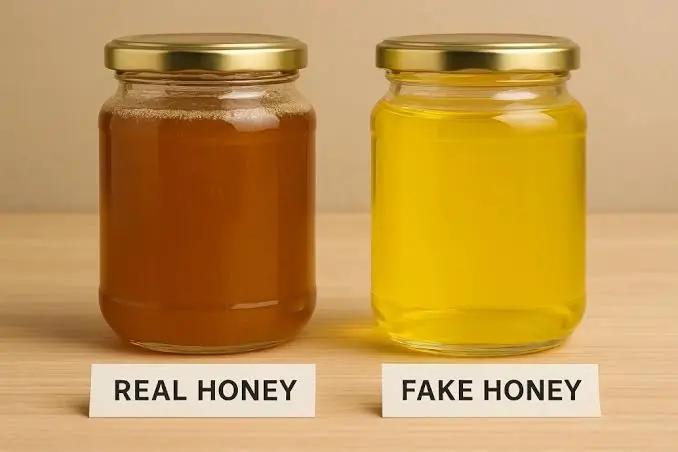
Can You Tell Real Honey From Fake in Seconds? Find Out Here! 🍯👇

When Morning Symptoms May Signal an Underlying Health Concern
Lemon, Apple, and Cinnamon Drink: What It Can and Can't Do for Your Health
These 8 Foods May Affect Your Bone Health More Than You Realize
What Your Body Could Be Telling You About Your Heart—Especially Sign #6! 👀👇

Airport Employees Reveal the One Thing They Wish Passengers Would Stop Doing… 👇

Your Feet May Reveal More About Your Health Than You Realize… 👣👇




Why Do Leg Cramps Happen at Night? Here's What Research Says
Most People Can Enjoy Cucumbers But These 4 Groups May Want to Limit Them
Cinnamon Milk: Benefits, Best Times to Enjoy It and What to Know
Can You Tell Real Honey From Fake in Seconds? Find Out Here! 🍯👇
When Morning Symptoms May Signal an Underlying Health Concern

Are Sprouted Potatoes Safe to Eat? Here's What Experts Say
Lemon, Apple, and Cinnamon Drink: What It Can and Can't Do for Your Health
These 8 Foods May Affect Your Bone Health More Than You Realize
What Your Body Could Be Telling You About Your Heart—Especially Sign #6! 👀👇
Airport Employees Reveal the One Thing They Wish Passengers Would Stop Doing… 👇

Your Feet May Reveal More About Your Health Than You Realize… 👣👇