Potatoes are one of the most common foods around the world. They are affordable, filling, and provide important nutrients such as potassium, vitamin C, vitamin B6, and carbohydrates.
But while potatoes can be part of a healthy diet, certain people may need to be more careful about how often they eat them and how they are prepared.
Here are 5 groups who may need to limit potatoes or discuss their intake with a healthcare professional.
1. People With Diabetes or Blood Sugar Problems

Potatoes are rich in carbohydrates, which can raise blood glucose levels, especially when eaten in large portions or prepared as mashed potatoes, fries, or other highly processed forms.
People with diabetes don't necessarily have to avoid potatoes completely. However, portion size, preparation method, and what you eat alongside them can make a significant difference.
Choosing boiled or baked potatoes with the skin and pairing them with protein, vegetables, and healthy fats may help create a more balanced meal.
2. People With Chronic Kidney Disease
Potatoes naturally contain a considerable amount of potassium.
For people with healthy kidneys, potassium is an essential mineral that helps support normal muscle and nerve function. However, people with advanced kidney disease may have difficulty removing excess potassium from the bloodstream.
If your healthcare professional has advised you to follow a low-potassium diet, potatoes may need to be limited or prepared using specific techniques to reduce their potassium content.
Never change your potassium intake dramatically without medical advice, especially if you have kidney disease.
3. People Trying to Lose Weight
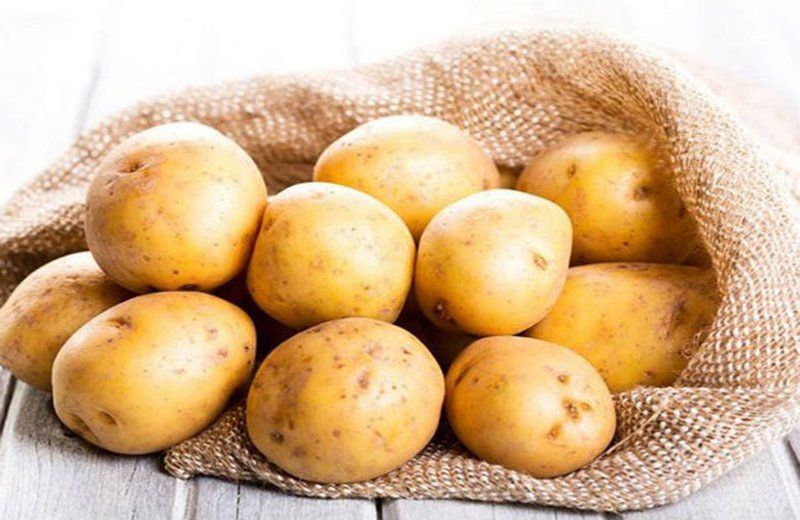
A plain potato isn't necessarily a "fattening" food. In fact, potatoes can be quite filling.
The bigger concern is often how potatoes are prepared.
French fries, potato chips, loaded baked potatoes, and potatoes covered in large amounts of butter, cheese, or creamy sauces can add substantial calories and fat.
If you're trying to lose weight, you may want to choose boiled, steamed, or baked potatoes and pay attention to portion size.
4. People Who Regularly Eat Fried or Highly Processed Potatoes
Eating potatoes occasionally isn't the same as regularly eating fries and chips.
Deep-frying can significantly increase the calorie and fat content of potatoes. Frequently eating highly processed fried foods may also contribute to an overall eating pattern that is less beneficial for cardiovascular health.
Instead, try preparing potatoes by baking, boiling, steaming, or roasting with a modest amount of oil.
The potato itself may not be the main problem—the preparation method can make a big difference.
5. People Who Have Been Advised to Limit Carbohydrates
Some people may be following a medically recommended low-carbohydrate diet or need to carefully control their carbohydrate intake.
Because potatoes are a carbohydrate-rich food, large servings can make it harder to stay within an individualized carbohydrate target.
This doesn't automatically mean potatoes must disappear from the menu. Depending on your health goals, a smaller portion may fit into your diet.
If you have been prescribed a specific carbohydrate restriction, follow the advice of your doctor or registered dietitian.
What About Green or Sprouted Potatoes?
There's another important point that everyone should know.
Green or heavily sprouted potatoes can contain higher levels of glycoalkaloids, including solanine. These natural compounds can become a concern when present in high amounts.
Don't eat potatoes that are extensively green, bitter, damaged, or heavily sprouted. When in doubt, it's safer to discard them rather than trying to rescue them.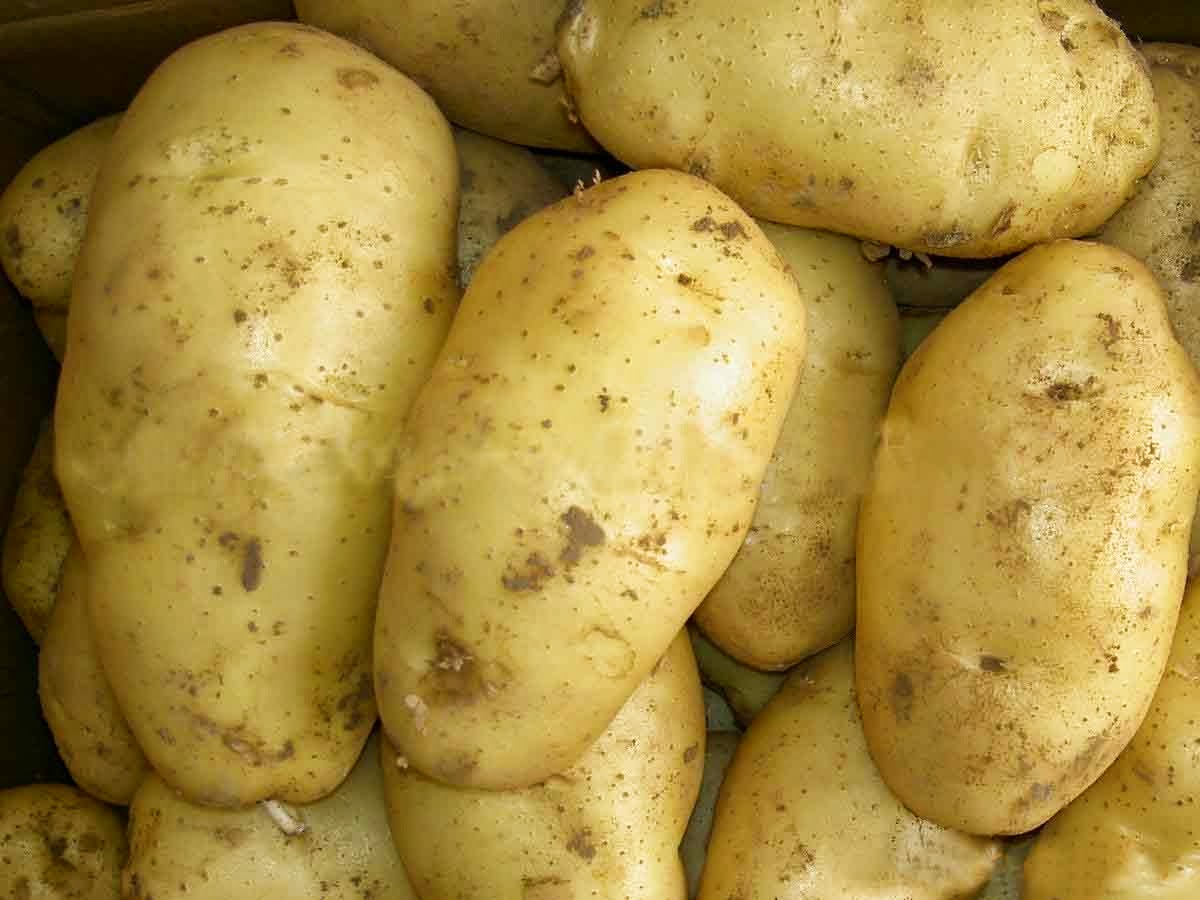
So, Should You Stop Eating Potatoes?
For most healthy people, there is no need to completely eliminate potatoes from the diet.
The key is moderation and preparation.
A baked or boiled potato served with vegetables and a source of protein is very different nutritionally from a large serving of French fries or potato chips.
If you have diabetes, kidney disease, or another condition that requires dietary restrictions, talk with your healthcare professional about the amount that's appropriate for you.
Potatoes can be part of a healthy diet—but for some people, how much they eat and how they prepare them matters much more than they realize. 🥔