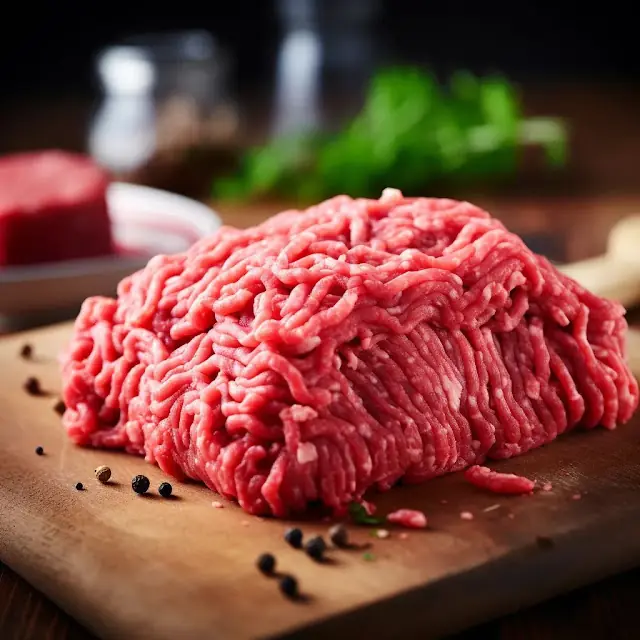
Should You Rinse Ground Beef Before Cooking? Here's What Food Safety Experts Say
Rinsing ground beef may seem helpful, but experts say it can do more harm.
Tips 28/07/2026 12:34
Rice has been a staple food for thousands of years, but in many parts of Asia, it has also been used as part of traditional beauty routines. One of the simplest examples is rice water - the cloudy liquid left behind after soaking or cooking rice.
In recent years, rice water has become a popular skincare trend on social media. Videos often claim that it can brighten skin overnight, erase wrinkles, eliminate acne, or replace expensive skincare products. While these claims may sound appealing, the scientific evidence is far more nuanced.
Rice water does contain nutrients and naturally occurring compounds that may benefit the skin. However, most of the available research is limited, and many of the dramatic claims circulating online have not been confirmed by high-quality clinical studies.
If you're curious about adding rice water to your skincare routine, here's what current research suggests and five practical ways you can use it safely.
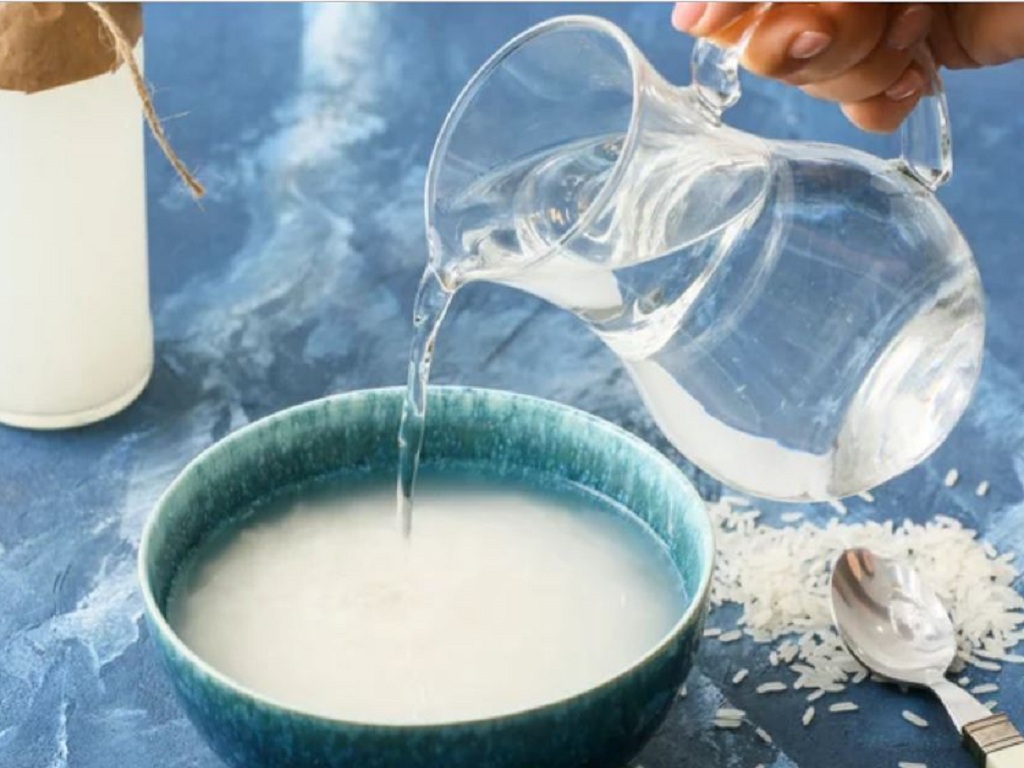
Rice water is the liquid obtained after rinsing, soaking, boiling, or fermenting rice.
Depending on how it's prepared, rice water may contain small amounts of:
Amino acids
B vitamins
Vitamin E
Minerals
Starch
Antioxidant plant compounds
Inositol, a naturally occurring carbohydrate sometimes studied for its effects on hair and skin
The exact composition varies depending on:
The type of rice
Whether the rice is white, brown, or black
The soaking time
Whether it is fermented
The cooking method
Because there is no standardized preparation, different batches of homemade rice water can vary considerably.
Rice water is not a medication, nor is it a miracle cosmetic treatment.
However, some laboratory research and small studies suggest that certain compounds found in rice may help support:
Skin hydration
Skin barrier function
Protection against environmental stress
A smoother skin appearance
These potential benefits are still being studied, and more well-designed human trials are needed.
For most people, rice water should be viewed as an optional addition to a well-rounded skincare routine, not a replacement for proven skincare ingredients or medical treatment.
One of the most common reasons people use rice water is to help keep their skin feeling hydrated.
The starches naturally present in rice water may temporarily form a light film over the skin.
Some people report that this leaves their skin feeling:
Softer
Smoother
Less dry
More refreshed
Maintaining good hydration is important because the skin barrier helps reduce water loss and protects against irritants.
While rice water may contribute to this effect for some individuals, it should not replace a well-formulated moisturizer, especially for people with dry or eczema-prone skin.
After cleansing your face:
Apply cooled rice water with a cotton pad or clean hands.
Leave it on for a few minutes.
Rinse if desired, or allow it to dry if your skin tolerates it.
Follow with a moisturizer to help lock in hydration.
Some research involving rice-derived ingredients has suggested they may help calm mildly irritated skin.
People sometimes use rice water after:
Sun exposure (not sunburn)
Dry weather
Mild skin sensitivity
Environmental irritation
The cooling sensation of refrigerated rice water may also feel soothing.
However, rice water should never be applied to:
Open wounds
Infected skin
Severe burns
Serious rashes
Persistent or worsening skin irritation should always be evaluated by a healthcare professional or dermatologist.
One of the most popular claims is that rice water can dramatically whiten the skin.
There is no strong scientific evidence that homemade rice water permanently lightens skin or changes natural skin tone.
However, some people notice that regular use leaves their skin looking:
Fresher
More even
Better hydrated
Less dull
This improved appearance may result from better hydration and gentle cleansing rather than true skin whitening.
Healthy, well-hydrated skin often reflects light more evenly, creating a naturally radiant appearance.
Many people enjoy using rice water as a refreshing facial rinse.
Because it contains no harsh detergents, it may provide a gentle cleansing step after washing the face.
Keep in mind that rice water does not replace facial cleansers, especially if you're removing:
Sunscreen
Makeup
Excess oil
Environmental pollutants
Think of it as a complementary step rather than a substitute.
Rinse uncooked rice briefly to remove surface dust.
Add fresh water.
Soak for about 20–30 minutes.
Stir gently.
Strain the liquid.
Refrigerate in a clean container.
Use within a day or two to reduce the risk of bacterial growth.
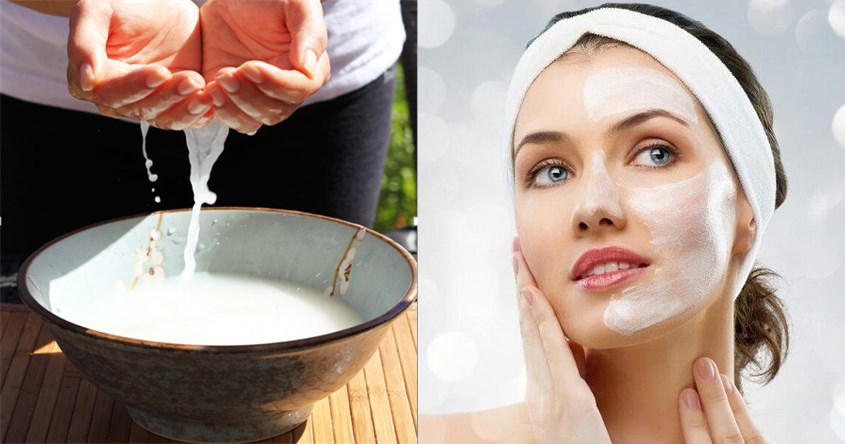
Perhaps the biggest benefit of rice water is that it's inexpensive and easy to incorporate into an overall skincare routine.
Used alongside evidence-based skincare practices, it may help some people maintain skin that feels softer and looks healthier.
However, healthy skin depends on much more than one homemade treatment.
Daily habits such as:
Wearing sunscreen
Sleeping well
Eating a balanced diet
Staying hydrated
Avoiding smoking
Managing stress
have a much stronger impact on long-term skin health.
Some beauty enthusiasts recommend fermented rice water instead of freshly prepared rice water.
Fermentation changes the chemical composition of the liquid and may increase certain compounds.
However, there is currently limited clinical evidence proving that fermented rice water is significantly more effective than fresh rice water for improving skin.
Fermented preparations may also be more likely to develop unwanted bacterial contamination if not prepared and stored properly.
This is one of the most common questions.
At present, there is insufficient evidence to conclude that homemade rice water treats acne.
Acne is influenced by multiple factors, including:
Hormones
Oil production
Clogged pores
Inflammation
Skin bacteria
People with persistent or moderate-to-severe acne usually benefit more from treatments supported by stronger scientific evidence, such as topical retinoids, benzoyl peroxide, or other dermatologist-recommended therapies.
Rice water should not replace medical treatment for acne.
Some laboratory studies suggest that compounds found in rice may have antioxidant activity.
Antioxidants help protect skin cells from damage caused by unstable molecules called free radicals.
However, there is no convincing evidence that homemade rice water can erase wrinkles or reverse skin aging.
Healthy aging is influenced by:
Genetics
Sun exposure
Smoking
Nutrition
Sleep
Skincare habits
The most effective anti-aging step remains daily sunscreen use.
Some research involving rice starch has suggested it may support the skin barrier in people with dry or irritated skin.
For example, rice starch baths have been studied as an additional supportive measure for some individuals with atopic dermatitis.
However:
Results are mixed.
Homemade rice water is not the same as standardized medical preparations.
Eczema often requires individualized treatment.
Anyone with chronic eczema should consult a healthcare professional before relying on home remedies.
Most people tolerate rice water well when applied to healthy skin.
However, some individuals may experience:
Redness
Itching
Dryness
Irritation
Allergic reactions (rare)
Before applying rice water to your entire face, perform a patch test:
Apply a small amount to the inside of your forearm.
Wait 24 hours.
If no irritation develops, it is more likely to be suitable for facial use.
Stop using it if irritation occurs.
There is no scientifically established ideal frequency.
Many people choose to use it:
Two or three times per week
Once daily if well tolerated
Occasionally as a refreshing rinse
More frequent use is not necessarily better.
If your skin becomes dry or irritated, reduce how often you use it.
Because homemade rice water contains nutrients that microorganisms can use for growth, proper storage is important.
To reduce contamination:
Use clean containers.
Refrigerate promptly.
Discard it if it develops an unusual odor or appearance.
Avoid storing it for extended periods.
Fresh preparation is generally the safest approach.
Both can be used.
Brown rice retains the bran layer, which contains additional nutrients and plant compounds.
However, the difference in skincare benefits between white and brown rice water has not been clearly established in human studies.
Choose whichever type is convenient for you.
Some people use rice water in place of a toner because it feels light and refreshing.
However, commercial toners are often formulated with carefully balanced ingredients designed for specific skin concerns.
Rice water lacks standardized concentrations and preservatives.
Think of it as an optional DIY skincare step rather than a complete replacement for dermatologist-developed products.
Topical skincare is only part of the picture.
Healthy skin also depends on overall health.
Helpful habits include:
Eating plenty of fruits and vegetables
Including healthy fats such as nuts, seeds, and oily fish
Staying hydrated
Getting enough protein
Sleeping 7–9 hours per night
Exercising regularly
Avoiding tobacco products
Limiting excessive alcohol intake
Good nutrition provides the vitamins, minerals, and antioxidants your skin needs to repair and maintain itself.
No homemade skincare treatment can compensate for repeated sun damage.
Ultraviolet (UV) radiation is one of the leading causes of:
Premature wrinkles
Uneven pigmentation
Loss of skin elasticity
Certain skin cancers
Dermatologists consistently recommend:
Applying a broad-spectrum sunscreen with SPF 30 or higher
Wearing protective clothing
Seeking shade during peak sunlight hours
These habits have far stronger evidence than rice water for maintaining youthful-looking skin.
There is no strong evidence that it permanently changes natural skin color.
Rice water may provide temporary hydration, but it does not replace moisturizers that contain ingredients designed to strengthen the skin barrier.
Current evidence does not support using homemade rice water as a standalone acne treatment.
Applying rice water many times a day is unlikely to produce additional benefits and may irritate sensitive skin.
Different preparation methods produce liquids with different compositions, making results inconsistent.
If you'd like to try rice water, keep your routine simple:
Cleanse your face.
Apply rice water if desired.
Use a lightweight moisturizer.
Finish with broad-spectrum sunscreen.
Remove makeup and sunscreen.
Cleanse thoroughly.
Apply rice water if your skin tolerates it.
Follow with a nourishing moisturizer.
This routine combines a traditional skincare practice with evidence-based essentials.
/https://admin.vuahanghieu.com/upload/news/content/2023/11/rua-mat-bang-nuoc-vo-gao-10-jpg-1701246939-29112023153539.jpg)
Rice water is not appropriate for every skin concern.
Consult a dermatologist if you experience:
Severe acne
Persistent redness
Painful rashes
Open sores
Frequent skin infections
Sudden changes in moles
Symptoms that continue despite home care
Professional evaluation can help identify the underlying cause and guide appropriate treatment.
Rice water has been used in traditional beauty routines for generations, and it may offer some modest skincare benefits thanks to its starches, amino acids, vitamins, minerals, and naturally occurring plant compounds.
Current evidence suggests it may help support skin hydration, soothe mild irritation, provide a refreshing facial rinse, and contribute to a smoother, healthier-looking complexion for some individuals.
However, rice water is not a miracle treatment. It cannot permanently lighten the skin, erase wrinkles, cure acne, or replace proven skincare products.
The healthiest skin comes from combining gentle skincare with sun protection, good nutrition, adequate sleep, hydration, and healthy lifestyle habits.
Rice water remains popular because it is simple, affordable, and rooted in centuries of traditional use. While modern research is still exploring its potential, the evidence so far suggests that its greatest strengths lie in supporting hydration and complementing an overall skincare routine, rather than producing dramatic cosmetic transformations.
If you decide to try rice water, use it with realistic expectations. Perform a patch test first, prepare it hygienically, store it properly, and discontinue use if irritation develops.
Most importantly, remember that healthy, glowing skin is rarely the result of a single product or home remedy. Consistent daily habits—including cleansing gently, moisturizing appropriately, protecting your skin from the sun, eating a nutrient-rich diet, and seeking medical advice for persistent skin concerns—remain the foundation of long-term skin health.
Rinsing ground beef may seem helpful, but experts say it can do more harm.
The Salt Water Test Everyone Is Talking About—What It Really Shows
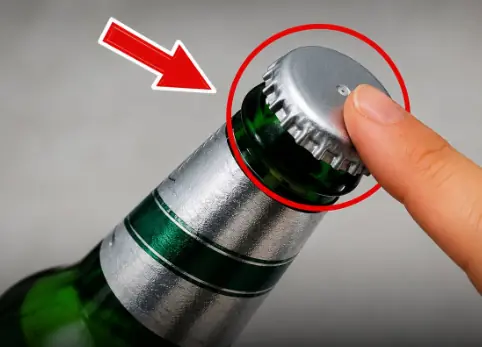
This simple bottle cap trick is surprising people everywhere.

The Hidden Reason Experts Recommend Unplugging These 5 Appliances 👇

The Watermelon Secret Most Shoppers Never Notice

The Meaning Goes Beyond Simple Pest Control
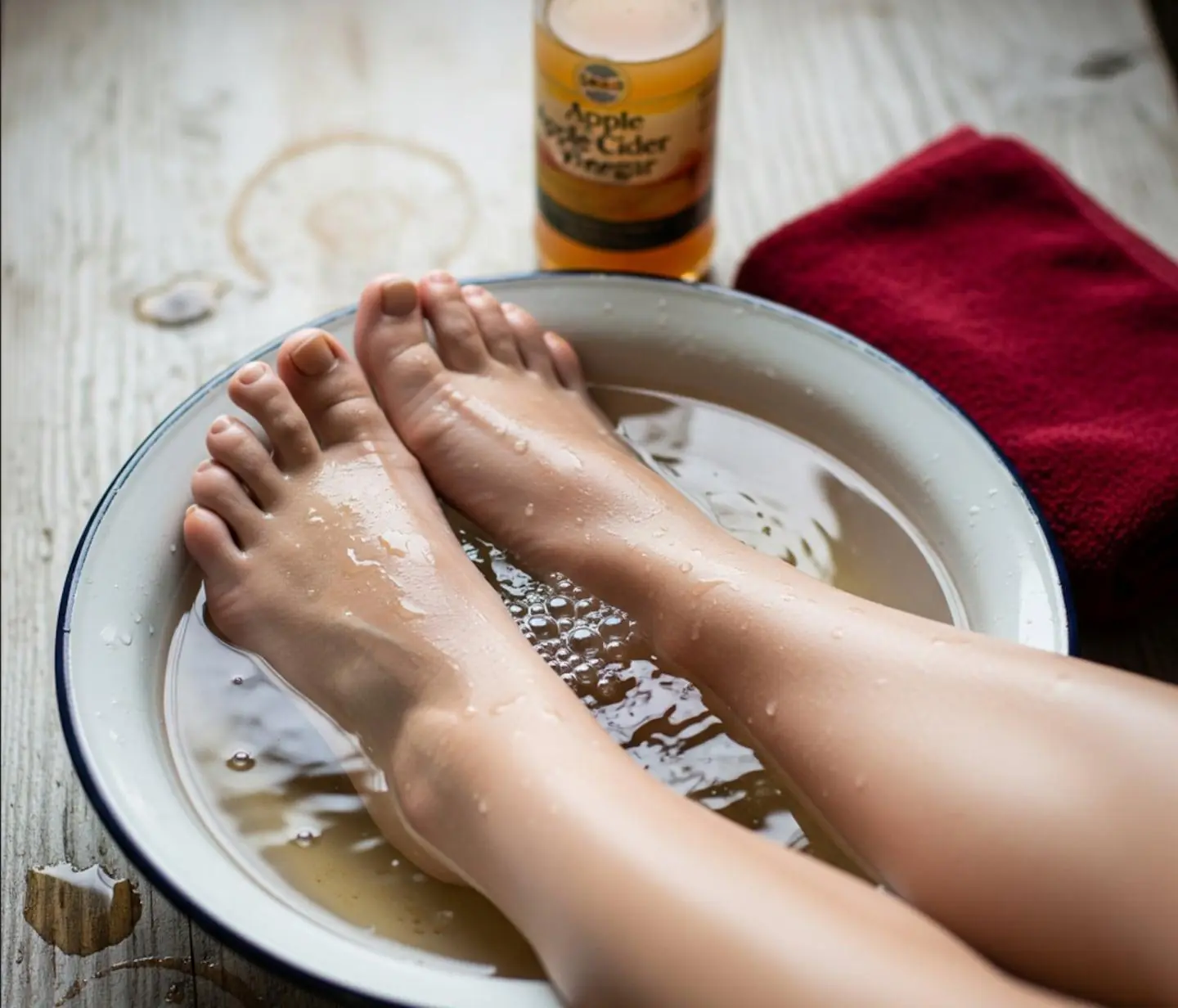
Soak your feet once a week—your feet may thank you for it.
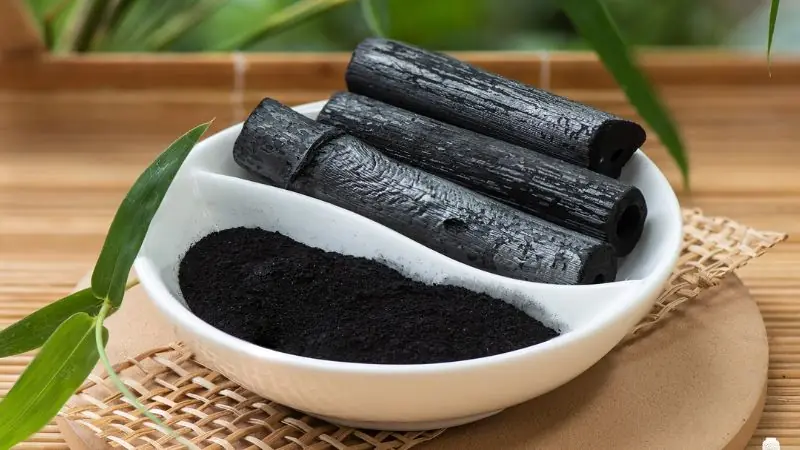
10 Surprising Ways Lemon and Charcoal Can Be Used Around the House

The School Uniform Rule Many Students Don't Know
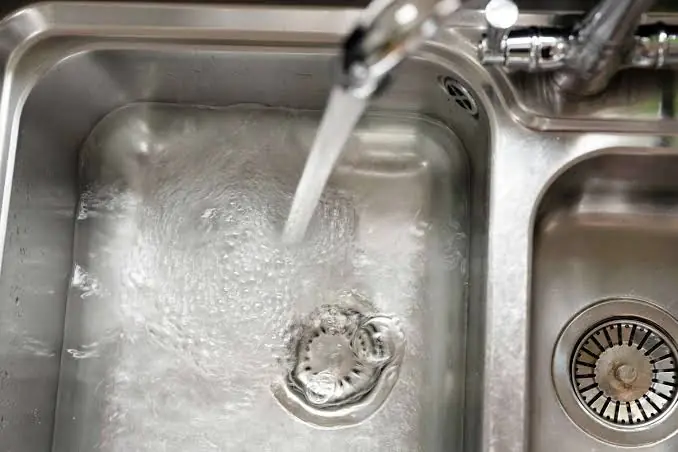
A Small Kitchen Habit Today Could Turn Into a Big Plumbing Problem Tomorrow

Wondering If Your Honey Is Authentic? Here's How to Check
The Real Reason Cockroaches Won't Leave Your House Alone.

Your Dog Keeps Sleeping in Your Bed? Here's the Real Reason

One Image, Two Interpretations—Which One Did You See?

Don't Panic! Follow These Life-Saving Steps After a Snake Bite
🚿 Not All Pipes Handle Hot Water the Same Way—Here's Why It Matters...


What Does It Mean When a Gecko Visits Your Home?
The Strange Animal Products That Sell for Thousands of Dollars

Your Favorite Sleeping Position Could Affect More Than You Think.

A fuller bust may seem desirable, but it can also bring unexpected challenges.


Top 12 Foods Associated With Better Health and a Lower Risk of Some Can.cers

9 Everyday Foods Rich in Protein That Support Muscle and Whole-Body Health

Passing Gas More Than 25 Times a Day? Here's What It Could Mean

Can Your Diet Help Lower Can.cer Risk? 10 Healthy Foods Worth Knowing

The Girl Who Met Her Ex at His Wedding

Don't Brush Off These 6 Bathroom Changes—Here's Why They Matter.

Are You Getting Enough Iron? Signs of Deficiency and Tips to Increase Iron Naturally
You Might Want to Start Eating Bananas at Night After Learning This. 🍌✨

These 9 Early Symptoms Could Be Your Liver Asking for Attention

An Aneurysm Can Be Silent—But These Symptoms May Be Important.

A Lunch Filled with Kindness

These 7 Symptoms Could Signal a Higher Risk of a Heart Attack—Know When to Seek Medical Care. 👇
A Lump Behind Your Ear Could Have Several Causes
What Your Swollen Feet and Ankles Might Be Saying About Your Health.
Think You Know Okra? Here Are 16 Surprising Facts
Bruises That Appear Out of Nowhere? Here's What Medical Experts Recommend.