Green Beans: Nutrition, Types, and Health Benefits
Overview
Green beans are a common vegetable often served at daily meals. However, beyond their familiar taste, they provide many important health benefits. Research suggests that green beans may help support heart health, assist in blood sugar control, strengthen the immune system, and protect the body from harmful free radicals.
These nutrient-dense beans are also a low-calorie food, making them a good choice for people who want to obtain essential vitamins and minerals without increasing calorie intake.
What Are Green Beans?
Green beans belong to the species Phaseolus vulgaris and are widely consumed around the world. They are known by different names depending on the region, including French beans, string beans, snap beans, and fine beans.
Although green beans may vary in shape, color, and size, their nutritional value remains similar. They are cultivated in many climates and are commonly used in cuisines across Asia, Africa, Europe, and the Americas.
Green beans are highly versatile in cooking. They can be roasted, sautéed, steamed, pickled, or added to soups, salads, and stir-fried dishes.
Types of Green Beans

Green beans are generally classified into two main types:
Pole beans
These grow like climbing vines and require support structures. They usually take longer to mature but can produce beans over a longer period.
Bush beans
These grow closer to the ground and do not require support. They grow faster and often allow farmers to harvest multiple crops in one season.
Green beans are typically harvested while still immature, which gives them their tender texture and mild flavor.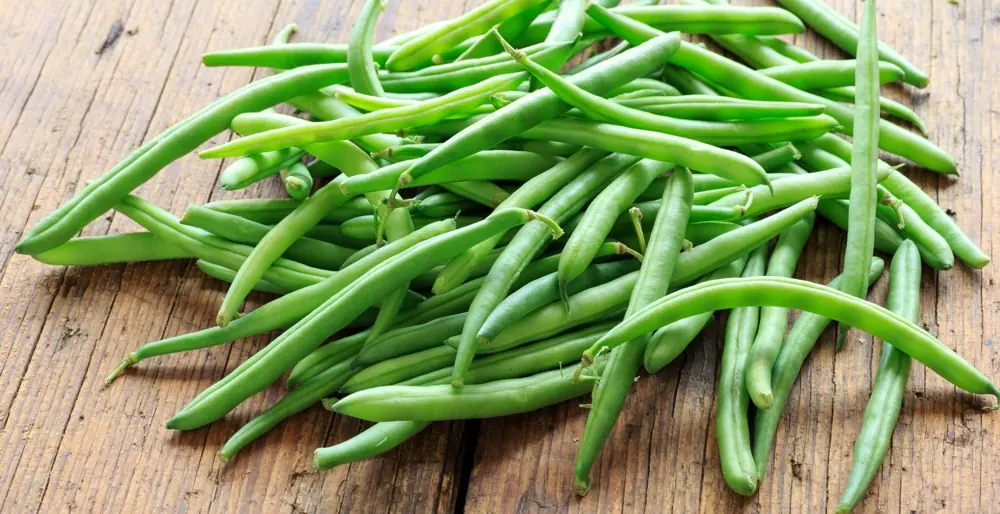
Nutritional Value
Green beans are low in calories and fat while providing a variety of important nutrients. They contain:
-
Dietary fiber
-
Protein
-
Vitamins A, C, and K
-
Vitamin B6 and folate
-
Minerals such as potassium, calcium, iron, manganese, and copper
-
Antioxidants including carotenoids and flavonoids
Because of this nutrient profile, green beans can be a valuable addition to a balanced diet.
Health Benefits of Green Beans
Supports Heart Health
Green beans contain flavonoids, a group of antioxidant compounds that may help reduce inflammation and prevent blood clot formation. These effects may lower the risk of cardiovascular diseases such as heart attacks and strokes.
Helps Manage Blood Sugar
Some studies suggest that green beans may have hypoglycemic effects, meaning they can help regulate blood sugar levels. This property may be beneficial for people with diabetes or those trying to maintain healthy glucose levels.
Strengthens the Immune System
Green beans contain antioxidants such as beta-carotene, lutein, quercetin, and catechins. These compounds help neutralize free radicals that can damage cells and contribute to chronic diseases.
Supports Digestive Health
The fiber in green beans supports healthy digestion by promoting regular bowel movements and helping maintain a balanced gut environment. Adequate fiber intake may also help prevent constipation and other digestive issues.
Supports Pregnancy and Fertility
Green beans provide folic acid (folate), an essential nutrient for fetal development. Adequate folate intake during pregnancy helps support proper neural development in the fetus.
Supports Eye Health
Carotenoids such as lutein and beta-carotene may help protect the eyes and reduce the risk of age-related vision problems.
Promotes Bone Health
Green beans contain nutrients such as vitamin K, calcium, and silicon, which are important for maintaining bone strength and reducing the risk of bone loss.
Possible Side Effects
Green beans are generally safe to eat, but a few considerations should be noted.
Phytic acid
Green beans contain small amounts of phytic acid, which can reduce the absorption of certain minerals when consumed in very large quantities. Cooking or soaking beans can reduce this compound.
Lectins
Lectins are natural proteins found in many beans. Excess intake may cause digestive discomfort in some individuals. Cooking green beans properly helps reduce lectin levels.
Allergies
Although uncommon, some people may be allergic to green beans or other legumes.
Conclusion
Green beans are a nutritious and versatile vegetable that can easily be included in many meals. Their combination of fiber, vitamins, minerals, and antioxidants makes them beneficial for heart health, digestion, immune function, and overall well-being.
Including green beans as part of a balanced diet may contribute to better long-term health.