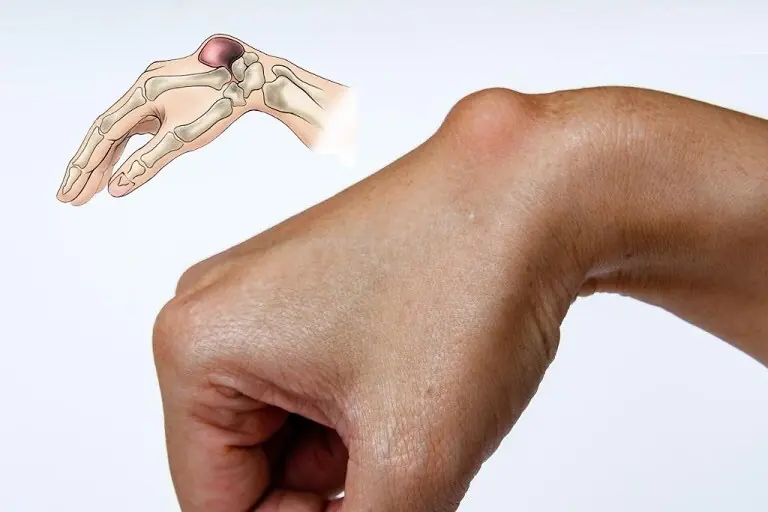
Bone cancer, although rare, is extremely dangerous if not detected and treated promptly. To help with early recognition of this disease, doctors recommend that people pay attention to common signs of bone cancer. Below are 5 typical symptoms you should never ignore, allowing you to be proactive in caring for your health and detecting bone cancer early. Let’s explore them now to protect yourself and your loved ones.
1. What is Bone Cancer?
Bone cancer is a rare type of cancer that occurs when malignant cells grow uncontrollably within the bone, leading to structural and functional damage. The disease may originate directly in the bone (primary bone cancer) or spread from other organs such as the breast or lungs (secondary bone cancer).
2. Common Types of Bone Cancer
The three most common types of bone cancer are osteosarcoma, Ewing sarcoma, and chondrosarcoma. Each type has its own characteristics, affected groups, and specific symptoms.
2.1 Osteosarcoma
Osteosarcoma is the most common type of primary bone cancer (accounting for about 20% of all primary bone tumors). It usually occurs in children and young adults aged 10 to 30, especially during periods of rapid bone growth.
Males tend to develop osteosarcoma more often than females. Tumors typically appear in long bones such as the femur, tibia, and humerus. Main symptoms include localized pain, swelling, and sometimes the presence of a palpable mass under the skin. Pain often worsens with activity and may ease with rest.
2.2 Ewing Sarcoma
Ewing sarcoma is the second most common primary bone cancer, often affecting children and adolescents between the ages of 10 and 20. Tumors usually develop in the shaft or ends of long bones such as the femur, tibia, or humerus. Symptoms include localized pain, swelling, redness, and warmth. In many cases, patients may also experience fever, fatigue, and unexplained weight loss.
2.3 Chondrosarcoma
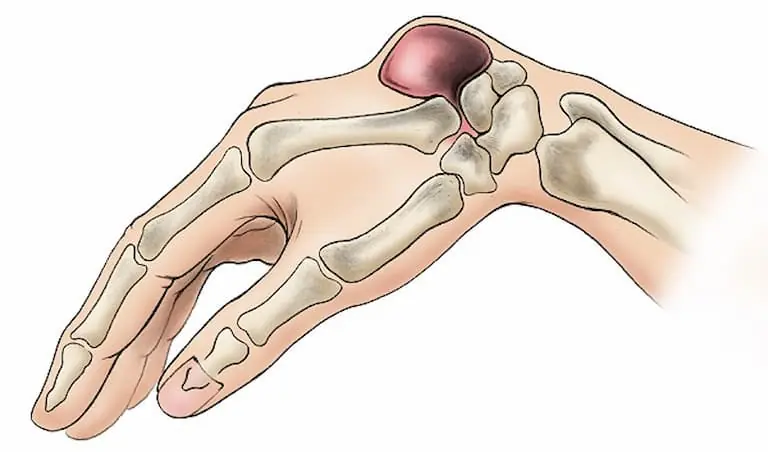
Chondrosarcoma is a rare type of primary bone cancer that mainly occurs in adults, especially those over 40 years old. Tumors commonly develop in the pelvis, femur, humerus, or ribs.
Symptoms include localized pain, swelling, and sometimes a palpable mass under the skin. Chondrosarcoma generally grows slowly and is less likely to metastasize compared to other types of bone cancer.
Recognizing these cancers early is crucial for timely treatment.
3. Five Warning Signs of Bone Cancer
Bone cancer is often difficult to detect in its early stages. Identifying warning signs early increases the chance of effective treatment. Here are 5 common signs to watch for:
3.1 Bone Pain
-
Characteristics: Dull, persistent pain that worsens at night or with movement. The pain does not subside with rest and is often unresponsive to common pain relievers.
-
Common locations: Legs, arms, or the area near the tumor, especially in long bones such as the femur, tibia, and humerus.
3.2 Swelling or a Lump
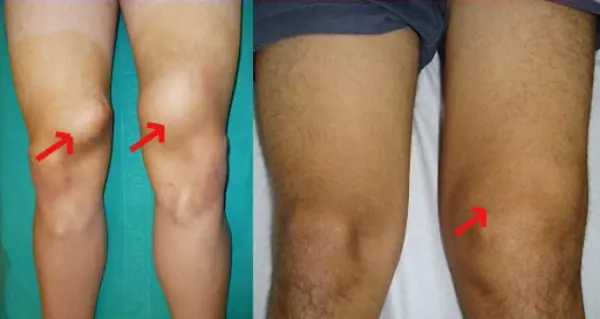
Bone cancer may present as swelling, redness, or warmth in the affected area. In some cases, a mass may be palpable under the skin. Tumors often occur in the femur, tibia, or humerus. Because they invade soft tissue, they may be tender to touch, and the overlying skin often shows dilated veins.
3.3 Reduced Mobility
Patients may experience limited joint movement near the affected bone, leading to difficulties in walking or performing daily activities. Muscle strength decreases due to pain and swelling, increasing the risk of falls.
3.4 Weak or Fragile Bones
Cancer-weakened bones may fracture easily, even without significant trauma. In some cases, repeated fractures may occur at the same location.
3.5 General Symptoms
Other systemic signs may include:
-
Persistent fatigue and unexplained fever
-
Rapid, unexplained weight loss, especially when combined with the above symptoms
If you experience one or more of these signs, seek medical screening and consult a specialist immediately.
4. Causes and Risk Factors
Bone cancer arises when malignant cells grow uncontrollably within bone tissue. The disease may be primary or secondary (spread from other cancers such as breast, prostate, lung, or thyroid).
The exact cause remains unclear, but several risk factors have been identified:
-
Genetics: Rare syndromes such as Li-Fraumeni (TP53 mutation) or retinoblastoma increase risk.
-
Radiation exposure: High-dose radiation, often from cancer treatment, raises the risk.
-
Paget’s disease of bone: This condition can increase the chance of malignant bone tumors.
-
Age: Common in children and teenagers, especially between 9 and 19 years old.
-
Sex: Males are more prone than females.
-
Family history: A family history of bone tumors increases risk.
5. When to See a Doctor
Seek immediate medical attention if you have:
-
Persistent bone pain that doesn’t improve with rest
-
Swelling or pain lasting for weeks
-
Unexplained fever combined with bone pain
6. Diagnostic Methods
Early diagnosis plays a key role in effective treatment. Common diagnostic methods include:
-
Imaging tests:
-
X-ray: Identifies tumor location, size, and bone damage.
-
CT scan: Provides detailed images, especially for hard-to-assess areas like the pelvis.
-
MRI: Shows soft tissues and bone marrow involvement.
-
-
Bone biopsy: Tissue sample analysis under a microscope to confirm whether a tumor is benign or malignant.
-
Blood tests: While not diagnostic, they help detect inflammation or other abnormalities.
7. Treatment Options
Treatment depends on tumor type, stage, location, and overall health:
-
Surgery:
-
Tumor removal with surrounding tissue to prevent spread.
-
Limb-sparing surgery is preferred, but in severe cases, amputation may be necessary.
-
Joint replacement may be performed if the tumor is near a joint.
-
-
Chemotherapy and Radiation:
-
Chemotherapy: Shrinks tumors before surgery and kills residual cancer cells afterward.
-
Radiation therapy: Uses high-energy X-rays to kill cancer cells, either before or after surgery, or when surgery isn’t possible.
-
-
Immunotherapy and New Research:
-
Immunotherapy is being studied as a promising treatment by stimulating the body’s immune system.
-
Research is also exploring gene therapy, targeted therapy, and new drugs.
-
8. Prevention
While bone cancer cannot always be prevented, risk can be reduced:
-
Manage risk factors:
-
Be aware of genetic risks if cancer runs in your family.
-
If you have had radiation therapy, inform your doctor for regular monitoring.
-
Manage Paget’s disease carefully.
-
-
Cancer screening:
-
Regular health check-ups help detect abnormalities early.
-
Doctors may recommend bone cancer screening for high-risk individuals.
-
-
Healthy lifestyle:
-
Eat a balanced diet rich in calcium and vitamin D. Avoid excessive alcohol and stimulants.
-
Exercise regularly (at least 150 minutes per week).
-
Limit exposure to harmful chemicals.
-
Taking these measures not only lowers bone cancer risk but also improves overall health.