Most people think of nails as purely cosmetic. They trim them, paint them, maybe notice when they break or chip. But in reality, your nails are quiet messengers of your internal health. Because nails grow slowly and are closely connected to blood flow, oxygen levels, and nutrient supply, changes in their appearance can reflect problems developing deep inside the body.
Doctors often look at nails during routine exams for a reason. Long before pain or obvious symptoms appear, nails can begin to change color, shape, texture, or strength. Ignoring these signs does not make the problem disappear. Understanding them can help you take action early.
Here are five serious health issues your nails may be trying to warn you about.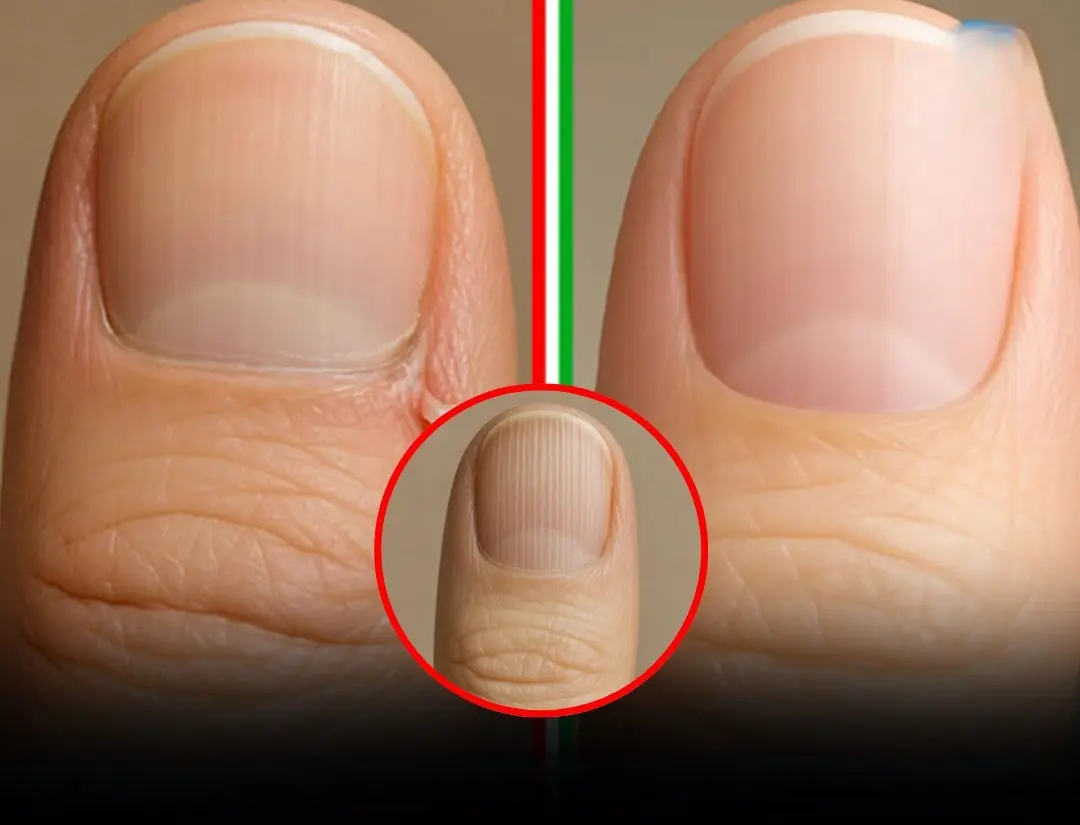
1. Pale or White Nails – Possible Anemia or Liver Disease
Healthy nails usually have a soft pink tone because of blood flowing beneath them. When nails appear unusually pale, white, or washed out, it may suggest reduced blood circulation or low red blood cell levels.
One common cause is anemia, a condition where the body lacks enough healthy red blood cells to carry oxygen efficiently. People with anemia often feel tired, weak, dizzy, or short of breath, but nail changes may appear first.
In more severe cases, very white nails with darker edges can be associated with liver disease, where protein levels in the blood are disrupted. When nails lose their natural color, the body may be struggling internally.
2. Yellow Nails – Lung Issues, Diabetes, or Fungal Infection
Yellowing nails are often blamed on nail polish or smoking, but persistent yellow nails can signal deeper issues. While fungal infections are common and treatable, nails that are thick, slow-growing, and yellow may point to chronic lung disease or diabetes.
In lung-related conditions, oxygen delivery throughout the body may be compromised, affecting nail growth and color. In diabetes, circulation and immune response are altered, making nails more prone to discoloration and infection.
When nail color changes and does not improve with basic care, it deserves medical attention.
3. Spoon-Shaped Nails – Iron Deficiency or Heart Problems
Spoon-shaped nails, medically known as koilonychia, curve upward instead of lying flat. In some cases, a drop of water can sit on the nail surface.
This shape is commonly associated with iron deficiency, especially when the body lacks the resources needed to produce healthy blood cells. Over time, iron deficiency can affect energy levels, brain function, and immune strength.
In rare cases, spoon-shaped nails have also been linked to heart disease, particularly when oxygen delivery is impaired. Nail shape is not random — it reflects long-term internal balance.
4. Vertical Ridges – Nutrient Deficiencies or Aging Stress
Vertical ridges running from the cuticle to the tip are common as people age, and mild ridging is often harmless. However, deep or sudden ridges may indicate nutritional deficiencies, particularly of vitamin B12, magnesium, or protein.
These nutrients play a key role in cell growth and repair. When the body lacks them, nail growth becomes uneven. Severe ridging can also appear during periods of chronic stress, illness, or hormonal imbalance.
While aging is natural, dramatic changes are not something to ignore, especially when combined with fatigue, hair changes, or brittle nails.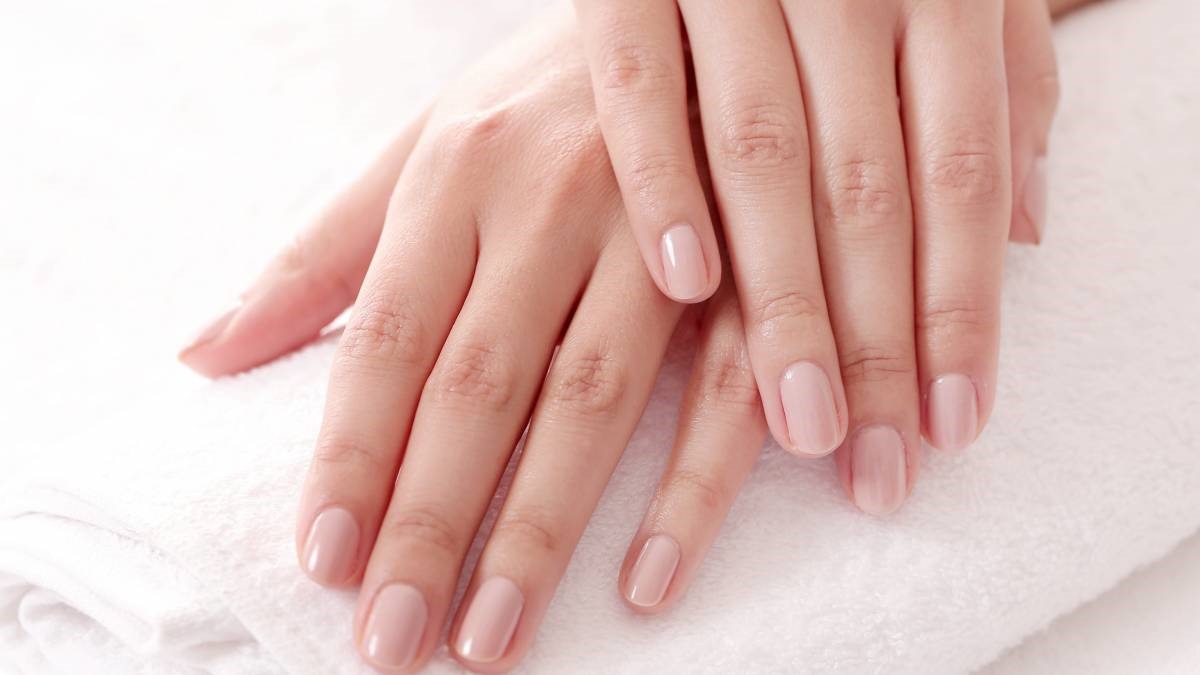
5. Clubbed Nails – Possible Heart or Lung Disease
Clubbing occurs when the fingertips enlarge and the nails curve downward around them. The nail bed becomes soft, and the angle between the nail and cuticle changes.
This condition is often associated with long-term oxygen deprivation, which can occur in serious lung diseases, congenital heart conditions, or inflammatory disorders. Clubbing develops slowly, which makes it easy to miss unless you know what to look for.
When the body struggles to deliver oxygen, nails quietly reflect that imbalance over time.
Why Nail Changes Are Often Ignored
The most dangerous thing about nail warning signs is how easy they are to dismiss. They do not hurt. They do not interrupt daily life. Many people assume they are cosmetic or temporary.
But nails grow slowly. Changes reflect what has been happening inside the body for weeks or even months. By the time pain appears elsewhere, the condition may already be advanced.
Social media trends and home remedies often encourage people to treat nail changes externally, without addressing the root cause. Appearance-focused solutions can delay proper diagnosis.
When to Take Nail Changes Seriously
Not every nail imperfection means serious illness. However, concern is warranted when changes are:
-
Sudden
-
Persistent
-
Worsening over time
-
Appearing alongside fatigue, weight loss, breathlessness, or weakness
In these cases, a medical evaluation can identify whether the cause is nutritional, metabolic, or something more serious.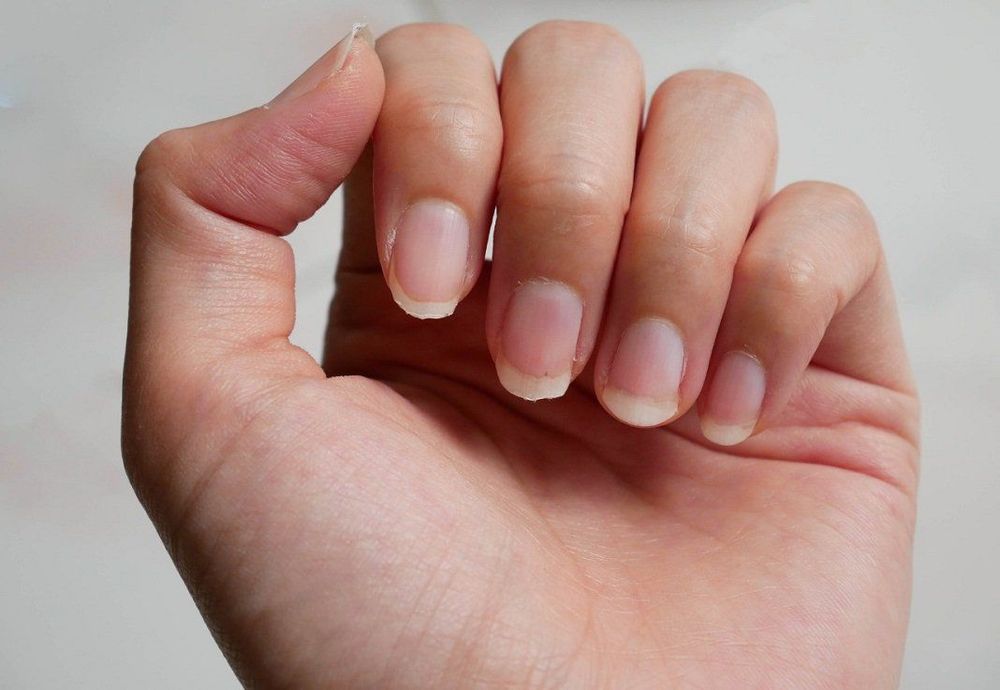
Listening to the Body’s Smallest Signals
The body rarely sends just one warning. Nails are part of a larger system designed to communicate imbalance early. They are not cosmetic accidents — they are biological clues.
Paying attention to nail changes does not mean assuming the worst. It means respecting the body’s ability to signal trouble quietly, before it has to do so loudly.
Sometimes, the smallest details carry the biggest messages.