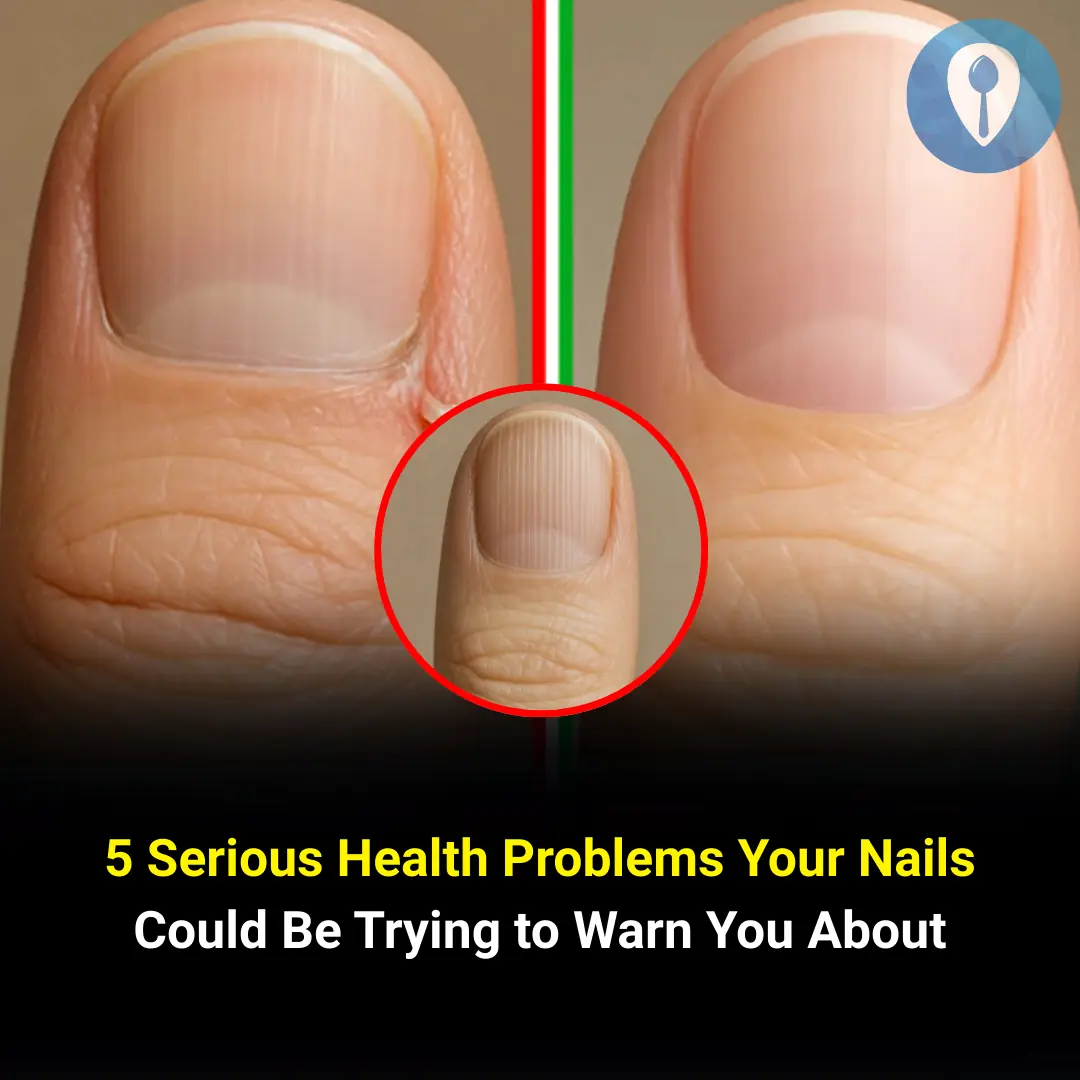
Most people think of nails as something you paint, trim, or show off, but they’re actually tiny health reporters. The way your nails look and grow can tell you a lot about what’s happening inside your body, sometimes even before you feel any symptoms. Once you start paying attention to them, it’s hard not to get curious.
Why do your nails deserve more attention?

Healthy nails also do more than look good. They protect your fingertips from infections and everyday bumps you barely notice. And here’s the key part: changes like odd discoloration, unusual ridges, or random white spots aren’t just cosmetic quirks. Sometimes, they’re early warning signs that can lead you to a diagnosis long before things get serious.
1. White spots.

But here’s the interesting part: in some cases, those white spots can be your body waving a small flag. They might hint at a zinc deficiency or other nutritional gaps, especially if you’re seeing them over and over again. And if they show up alongside other symptoms (like fatigue, hair changes, or brittle nails), it’s worth getting things checked out just to be sure.
2. Dark lines.

If you’ve ever spotted a dark brown or black line running down your fingernail or toenail and thought, “Is this normal?” that streak is called melanonychia. It usually shows up as a vertical stripe starting near the base of the nail and stretching to the tip, and it can appear on one nail or several. For people with naturally darker skin, these lines can be completely normal.
But melanonychia can also pop up for many other reasons: anything from trauma, friction, and nutritional gaps to hormonal changes, infections, or certain medications. In some cases, it’s caused by pigment cells simply becoming more active; in others, the number of pigment cells actually increases, which can be harmless or, rarely, a sign of something more serious.
3. Ridged nails.

Horizontal ridges, though (often called Beau’s lines), tell a different story. These can appear when something temporarily disrupts nail growth, like a major illness, high stress, or another systemic issue your body has dealt with. They’re basically timestamps your nails leave behind, marking moments when your body was under pressure. If you spot new or repeating horizontal ridges, it’s worth checking in with a healthcare professional to understand what might be going on underneath.
4. Hangnail.

The good news is that most hangnails are easy to deal with at home. The safest approach is simple: wash your hands, sanitize your nail clippers, and gently trim off the loose skin, but never bite or rip it. Warm-water soaks and a little antibacterial ointment can help calm swelling or irritation. But if the area becomes very painful, swollen, or just isn’t healing, it’s worth having a doctor take a look. A quick treatment can prevent complications and help your nail get back to normal.
5. Yellow nails.

If you notice your nails turning yellow, it’s more than just a cosmetic issue. It can be a signal from your body. Yellowing nails can happen for several reasons, from fungal infections and yellow nail syndrome to underlying health issues like thyroid problems or respiratory conditions. Along with the color change, your nails might grow slower than usual or become thicker and harder to manage.
Because yellow nails can point to a range of causes, it’s important not to ignore them. Persistent yellowing is a sign to check in with a healthcare professional, who can pinpoint the root cause and recommend the right treatment. Catching the problem early makes it easier to restore your nails to their healthy, natural state.