The heart works continuously day and night to circulate blood, deliver oxygen, and support every organ in the body. Because the cardiovascular system affects circulation, breathing, fluid balance, and oxygen delivery, heart-related problems may sometimes produce noticeable symptoms during rest or sleep.
Many people assume heart symptoms only occur during physical activity, but nighttime symptoms can also provide important clues about cardiovascular health. Some individuals with heart conditions experience unusual sensations when lying down, trying to sleep, or waking during the night. While these symptoms do not automatically mean serious heart disease is present, persistent or worsening nighttime symptoms should never be ignored.
Understanding how heart conditions may affect the body during sleep can help encourage earlier medical evaluation and better awareness of cardiovascular health.
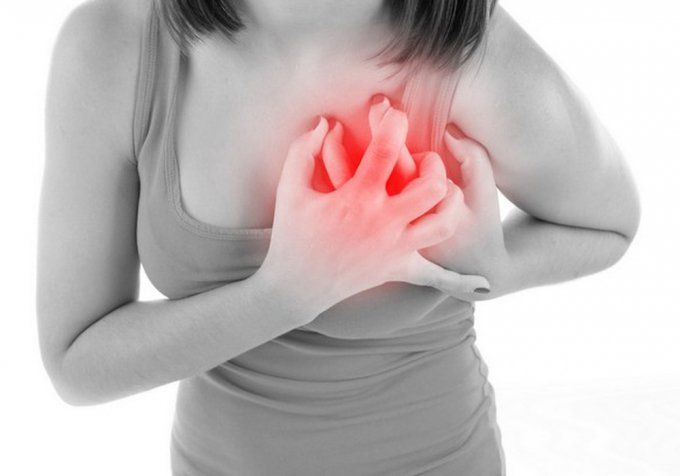
Why Heart Symptoms May Appear at Night
During sleep, the body undergoes important changes involving:
- Circulation
- Breathing
- Blood pressure
- Hormones
- Fluid distribution
Lying flat may affect how blood and fluid move through the body.
In people with heart problems, these nighttime changes may sometimes trigger symptoms more noticeably.
The Heart and Circulation During Sleep
When lying down:
- Blood redistributes differently
- Fluid may shift toward the chest and lungs
- Heart workload may change
Healthy hearts usually adjust efficiently.
However, weakened heart function may sometimes make these adjustments more difficult.
1. Shortness of Breath While Lying Down
One common nighttime symptom associated with some heart conditions is:
- Difficulty breathing when lying flat
This is sometimes called:
- Orthopnea
People may notice:
- Needing extra pillows
- Feeling breathless while reclining
- Waking up needing to sit upright
Why Breathing Changes May Happen
In some heart conditions, fluid may accumulate more easily in the lungs when lying down.
This may affect:
- Oxygen exchange
- Breathing comfort
- Lung expansion
Shortness of breath should always be medically evaluated, especially if worsening.
Waking Up Suddenly Gasping for Air
Some individuals experience sudden nighttime breathlessness known as:
- Paroxysmal nocturnal dyspnea
This may cause people to wake up:
- Panicked
- Short of breath
- Needing fresh air
This symptom may sometimes be associated with heart failure or fluid buildup.
2. Unusual Heart Palpitations at Night
Heart palpitations are sensations of:
- Racing heartbeat
- Fluttering
- Skipped beats
- Strong pounding
Many people notice palpitations more clearly at night because the environment becomes quieter and the body is resting.
Why Palpitations May Feel Stronger at Night
When external distractions decrease, people become more aware of internal body sensations.
Palpitations may occur for many reasons including:
- Stress
- Anxiety
- Caffeine
- Arrhythmias
- Heart disease
Persistent or severe palpitations deserve medical evaluation.
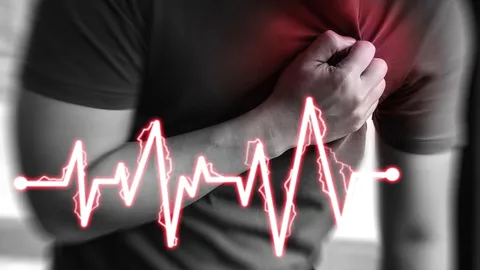
3. Chest Pressure or Discomfort During Sleep
Some individuals experience:
- Chest tightness
- Pressure
- Burning
- Heaviness
while resting or sleeping.
Chest discomfort should never be ignored, especially when accompanied by:
- Shortness of breath
- Sweating
- Nausea
- Arm pain
Why Chest Symptoms May Occur at Night
The heart still requires oxygen during sleep.
Reduced blood flow or circulation problems may sometimes produce symptoms even during rest.
Not all chest discomfort indicates heart disease, but persistent symptoms require medical attention.
4. Night Sweats and Restlessness
Some heart conditions may contribute to:
- Night sweats
- Restless sleep
- Feeling overheated
- Sudden awakenings
Night sweats can occur for many different reasons, including:
- Infections
- Hormonal changes
- Anxiety
- Medications
However, persistent unexplained symptoms deserve evaluation.
The Body’s Stress Response
When the heart struggles to pump efficiently, the body may activate stress hormones that affect:
- Heart rate
- Sweating
- Sleep quality
- Breathing patterns
This may contribute to nighttime discomfort.
5. Swelling and Heavy Legs at Night
People with circulatory or heart-related problems may notice:
- Swollen ankles
- Heavy legs
- Tightness in the feet
especially later in the day or while resting at night.
Fluid retention may sometimes be linked to heart function.
Why Fluid Buildup Happens
The heart helps move blood and fluid efficiently through the body.
When circulation weakens, fluid may accumulate in tissues, particularly in:
- Legs
- Ankles
- Feet
Swelling may worsen after prolonged sitting or standing.
Sleep and Cardiovascular Health
Sleep quality strongly affects heart health.
Poor sleep may contribute to:
- High blood pressure
- Inflammation
- Hormonal imbalance
- Stress
- Metabolic problems
Healthy sleep is important for cardiovascular recovery and regulation.
Sleep Apnea and the Heart
Sleep apnea is a condition involving repeated breathing interruptions during sleep.
Symptoms may include:
- Loud snoring
- Choking sensations
- Daytime fatigue
- Morning headaches
Untreated sleep apnea may increase cardiovascular strain over time.
The Connection Between Oxygen and the Heart
The heart and lungs work closely together.
During sleep, oxygen levels naturally fluctuate slightly.
People with heart or lung disease may struggle more with oxygen regulation at night.
Why Nighttime Symptoms Are Often Ignored
Many people dismiss symptoms as:
- Stress
- Aging
- Poor sleep
- Anxiety
However, recurring nighttime symptoms may sometimes provide important clues about cardiovascular function.
Other Symptoms That May Accompany Heart Problems
Possible warning signs may include:
- Fatigue
- Dizziness
- Swelling
- Persistent cough
- Reduced exercise tolerance
- Fainting episodes
Heart-related symptoms often develop gradually.
Risk Factors for Heart Disease
Several factors may increase cardiovascular risk, including:
- Smoking
- High blood pressure
- Diabetes
- Obesity
- High cholesterol
- Sedentary lifestyle
- Family history
Managing risk factors may help support long-term heart health.
Why High Blood Pressure Matters
High blood pressure may strain:
- Blood vessels
- The heart muscle
- Circulation
Long-term uncontrolled hypertension increases risk for:
- Heart failure
- Stroke
- Kidney disease
Healthy Habits That Support Heart Health
Helpful daily habits may include:
- Regular exercise
- Balanced nutrition
- Limiting excess sodium
- Managing stress
- Sleeping adequately
- Avoiding smoking
Small consistent changes may strongly affect cardiovascular wellness over time.
Exercise and the Heart
Physical activity helps support:
- Circulation
- Blood pressure balance
- Heart strength
- Weight management
Even moderate movement may improve cardiovascular fitness.
Diet and Cardiovascular Wellness
Heart-friendly eating patterns often emphasize:
- Fruits
- Vegetables
- Whole grains
- Healthy fats
- Reduced ultra-processed foods
Balanced nutrition supports overall circulation and metabolic health.
When to Seek Medical Attention
Immediate medical attention is important if symptoms include:
- Severe chest pain
- Sudden shortness of breath
- Fainting
- Blue lips
- Sudden swelling
- Rapid irregular heartbeat
Persistent nighttime symptoms should not be ignored.
How Doctors Evaluate Heart Symptoms
Medical evaluation may involve:
- Physical examination
- Blood pressure testing
- ECG/EKG
- Echocardiogram
- Blood tests
- Sleep studies
Doctors assess both symptoms and cardiovascular function together.
Emotional Effects of Nighttime Symptoms
Nighttime heart-related symptoms may increase:
- Anxiety
- Fear
- Sleep disruption
- Fatigue
Poor sleep may then worsen cardiovascular stress, creating a cycle of discomfort.
The Importance of Listening to the Body
The body often provides warning signs before serious problems develop.
Paying attention to:
- Breathing changes
- Chest discomfort
- Swelling
- Palpitations
may help encourage earlier medical care and better outcomes.

Final Thoughts
Nighttime symptoms such as shortness of breath, palpitations, chest discomfort, night sweats, or swelling may sometimes be associated with heart conditions or circulatory problems. Although these symptoms can result from many different causes, persistent or worsening nighttime discomfort should never be ignored.
The heart continues working continuously during sleep, and changes in breathing, circulation, and fluid balance may sometimes reveal underlying cardiovascular stress more clearly at night.
Recognizing unusual symptoms early and seeking proper medical evaluation may help support earlier diagnosis, safer treatment, and better long-term heart health.