Beef Is Sold Everywhere, but Avoid These 5 Types
Not all beef cuts are fresh, clean, and safe to eat. When shopping for beef, be mindful and steer clear of these four types to ensure your health and safety.
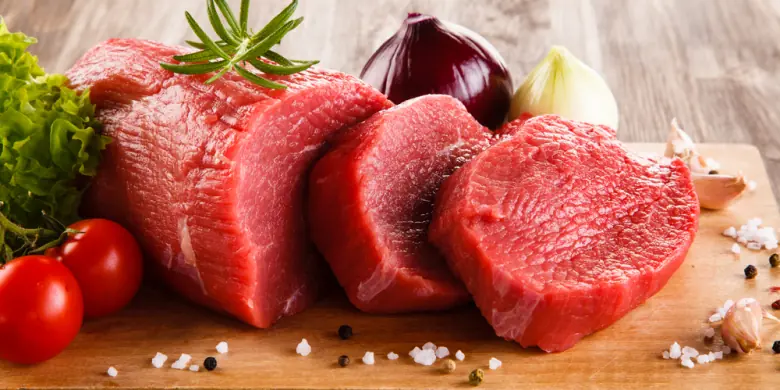
1. Beef with Poor Elasticity
A fresh and high-quality piece of beef typically has good elasticity. When you press it with your finger and release, the meat should quickly spring back to its original shape.
If the beef retains a dent where you pressed or is slow to recover, it indicates poor elasticity. This means the meat is no longer fresh, may have been stored for too long, and has likely lost its nutrients and moisture. Such beef is nearing spoilage and should be avoided.
2. Beef with Unusual Colors
Fresh beef usually has a natural pinkish-red or deep red color. When touched, it feels slightly moist and firm.
Avoid beef that appears unnaturally bright red or has turned dark and dull. Bright red beef may have been coated with animal blood to make it look fresher, as evidenced by red stains left on your fingers when you touch it. Meanwhile, dark or blackened beef indicates it has been stored for too long and is starting to spoil.
3. Pre-Ground Beef
Pre-ground beef, often sold at butcher shops or supermarkets, is highly convenient because it saves time in preparation. However, its origin and quality are difficult to verify.
Pre-ground beef might be mixed with pork or made from leftover beef cuts, which may be of lower quality or even old and nearing spoilage. These issues are hard to detect with the naked eye.
To ensure safety, it’s better to purchase whole beef cuts and grind or chop them yourself at home. While this takes more time, it guarantees the freshness and quality of the beef you consume.
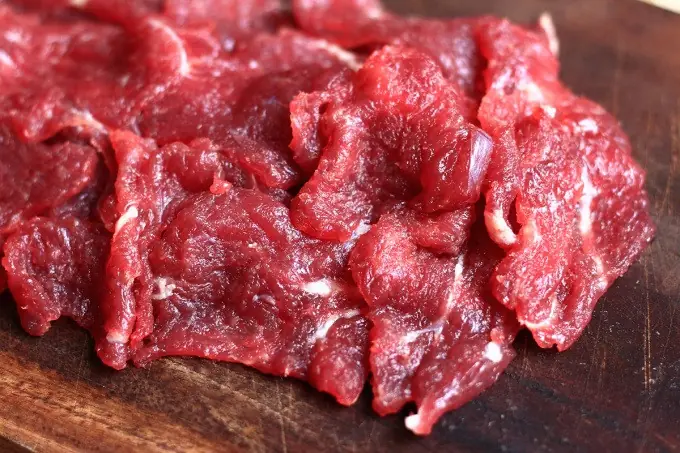
4. Beef That Is Slimy, Smelly, or Leaking Liquid
Fresh beef has a distinctive but mild odor, not an unpleasant or sour smell. If the beef has a foul or rancid odor, it’s a sign that it is no longer fresh. Additionally, avoid beef that feels slimy to the touch or leaks yellowish liquid, as these are clear signs the meat has been stored too long and has started to spoil.
For the sake of your health, it’s crucial to avoid these types of beef and only choose fresh, high-quality cuts.
5. Beef with Excessive Fat or Yellowish Fat
When buying beef, pay attention to the fat content and its appearance. High-quality beef typically has a moderate amount of white or creamy fat distributed evenly in thin layers, known as marbling. This marbling enhances the flavor and tenderness of the meat.
However, avoid beef with excessive, thick layers of fat or fat that appears yellowish. Thick fat layers may indicate lower-quality cuts or older cattle, resulting in tougher and less flavorful meat. Yellowish fat, in particular, is a sign that the beef has been stored for too long or is from an older animal, both of which can affect the taste and quality negatively.
By carefully selecting beef with the right amount and appearance of fat, you can ensure a better cooking and dining experience.