When Parasites Multiply in the Body: 5 Uncomfortable Changes Your Body May Show
Parasitic infections are more common than many people think, especially in areas where food hygiene, water quality, or sanitation may be compromised. In many cases, infections caused by worms or other parasites can remain unnoticed for a long time.
However, when parasites multiply excessively in the body, the immune system may begin to react—and the body can start sending uncomfortable warning signals.
It’s important to understand that these symptoms are not exclusive to parasitic infections. Many other health conditions can cause similar signs. Still, persistent or unexplained changes should never be ignored.
What are parasites?
Parasites are organisms that live inside or on a host body and depend on it for survival. In humans, intestinal parasites are among the most common, often entering the body through contaminated food, water, or poor hygiene practices.
Some examples include certain types of worms and protozoa that affect the digestive system.
5 uncomfortable changes that may occur when parasites multiply
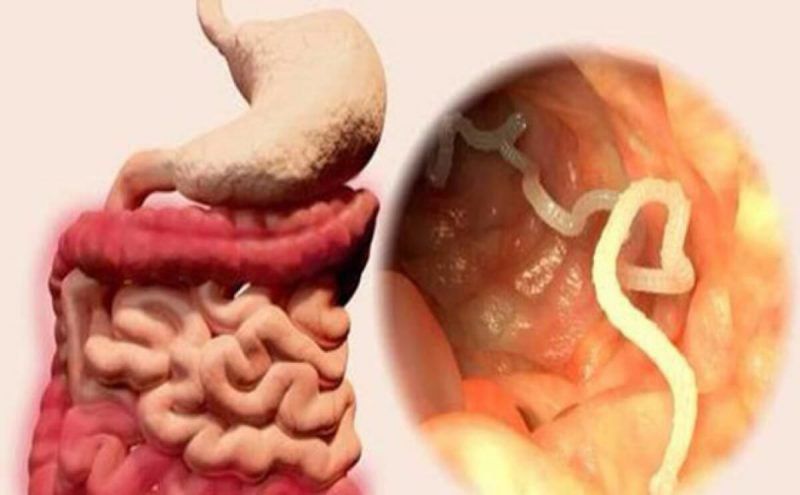
1. Digestive discomfort
One of the most common signs is ongoing digestive issues, such as:
- Bloating
- Abdominal pain
- Diarrhea or constipation
Parasites can interfere with normal digestion and nutrient absorption, leading to discomfort and irregular bowel movements.
2. Unexplained fatigue
When parasites consume nutrients from the host body, it may lead to nutrient deficiencies. Over time, this can cause:
- Constant tiredness
- Low energy levels
- Difficulty concentrating
Even after rest, the feeling of fatigue may persist.
3. Changes in appetite and weight

Some people may experience sudden changes in appetite—either increased hunger or reduced desire to eat. This may sometimes lead to unexplained weight loss, even without changes in diet or activity level.
4. Skin irritation or allergic-like reactions
In some cases, the immune system reacts to the presence of parasites, which may result in:
- Skin rashes
- Itching
- Unexplained irritation
These symptoms occur as the body attempts to fight off the infection.
5. Sleep disturbances and restlessness
Parasite activity in the body can sometimes contribute to poor sleep quality. Some people report:
- Difficulty sleeping
- Frequent waking at night
- General restlessness
These symptoms may be linked to the body’s internal stress response.
How do parasites enter the body?
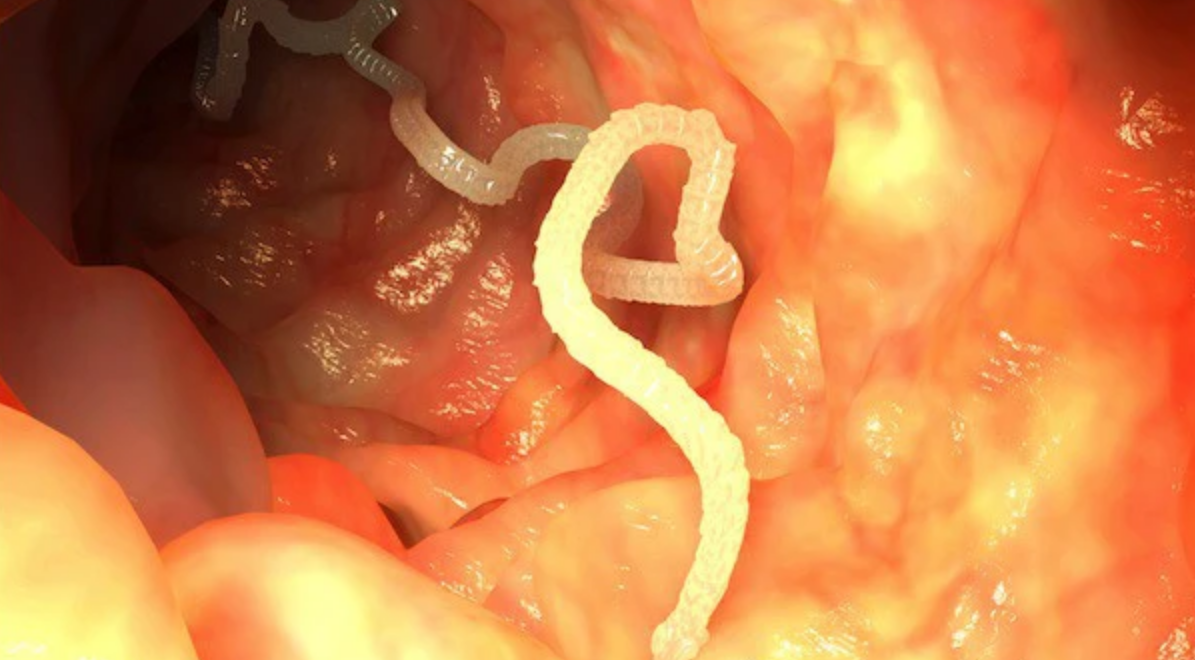
Common transmission routes include:
- Contaminated food or water
- Undercooked meat or seafood
- Poor hand hygiene
- Contact with contaminated surfaces
Prevention is key
Reducing the risk of parasitic infection involves simple but important habits:
- Wash hands regularly
- Cook food thoroughly
- Drink clean, safe water
- Maintain proper food hygiene
- Regular medical check-ups when needed
When to see a doctor
If you experience persistent digestive issues, unexplained fatigue, or other unusual symptoms, it is important to consult a healthcare professional. Diagnosis typically requires medical testing, as symptoms alone are not enough to confirm infection.
Final thoughts
When parasites multiply in the body, the effects may not always be obvious at first. However, the body often sends subtle warning signs that something is wrong.
Paying attention to these changes—and seeking medical advice when needed—can help ensure early detection and effective treatment.