
5 Warning Signs a Stroke May Be Coming — Your Body Could Be Sending an SOS Months in Advance
A stroke is one of the leading causes of death and long-term disability worldwide. What many people don’t realize is that the body often sends warning signals long before a stroke actually happens—sometimes even months or years in advance.
Recognizing these early signs can help you seek medical attention in time and potentially prevent life-threatening complications.
Why Early Warning Signs Matter
A stroke occurs when blood flow to the brain is interrupted, depriving brain cells of oxygen and causing damage. The sooner it is detected, the higher the chances of recovery and survival.
Even temporary symptoms should never be ignored, as they may indicate an impending stroke.
5 Key Warning Signs to Watch For
1. Sudden Weakness or Numbness on One Side of the Body
One of the most common early signs is weakness or numbness affecting the face, arm, or leg—especially on one side. This can make it difficult to lift objects or move normally.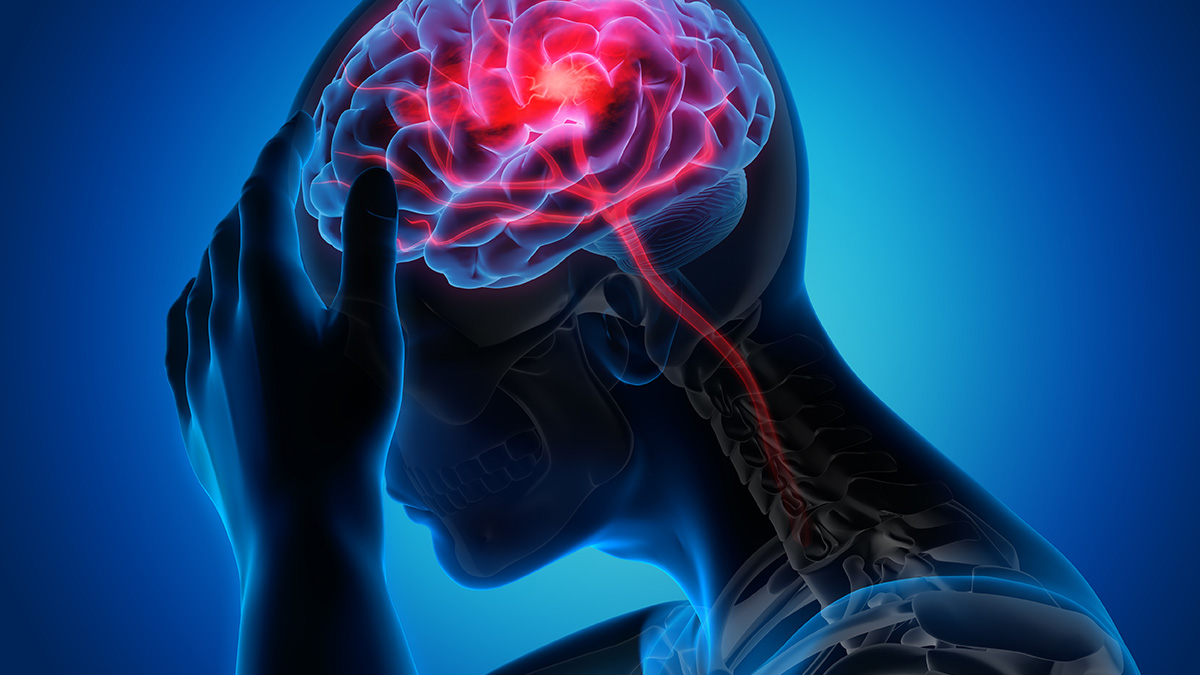
2. Difficulty Speaking or Understanding Speech
People at risk of stroke may suddenly have trouble speaking clearly or understanding what others are saying. Speech may become slurred or confusing.
3. Vision Problems
Blurred vision, double vision, or sudden loss of sight in one or both eyes can be a serious warning sign that should not be ignored.
4. Dizziness and Loss of Balance
Feeling dizzy, unsteady, or losing coordination without a clear reason may signal a disruption in brain function. Some people may even fall suddenly.
5. Severe, Unexplained Headache
A sudden, intense headache—especially if it appears without a known cause—can be an early indicator of a stroke. It may be accompanied by nausea or stiffness.
The “BE FAST” Rule That Could Save a Life
Doctors often use the BE FAST method to help identify stroke symptoms quickly:
- B (Balance): Loss of balance
- E (Eyes): Sudden vision changes
- F (Face): Drooping on one side
- A (Arms): Weakness in one arm
- S (Speech): Slurred or strange speech
- T (Time): Call emergency services immediately
Don’t Ignore Temporary Symptoms
Even if symptoms disappear after a few minutes, they may be a transient ischemic attack (TIA)—often called a “mini-stroke.” This is a major warning sign that a more serious stroke could occur later.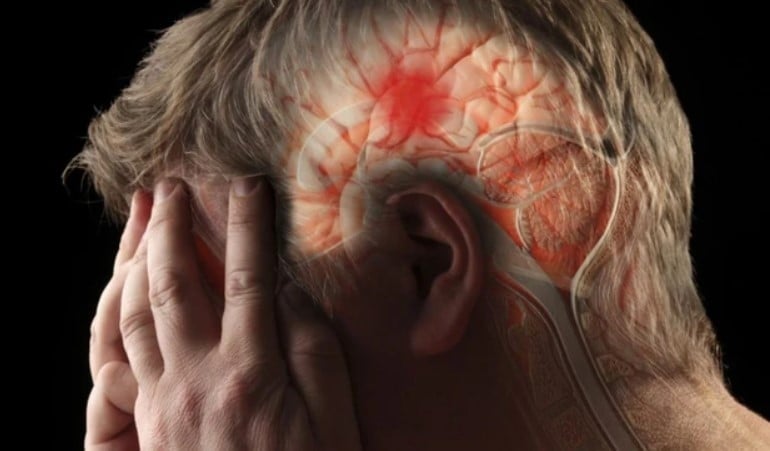
Prevention Starts with Daily Habits
Experts recommend maintaining a healthy lifestyle to reduce stroke risk:
- Control blood pressure and blood sugar
- Eat a balanced diet, low in salt and unhealthy fats
- Exercise regularly
- Avoid smoking and limit alcohol
- Get regular health checkups
Your Body Is Warning You — Don’t Ignore It
Stroke doesn’t always happen suddenly. In many cases, the body sends subtle warning signals in advance.
Paying attention to these signs—and acting quickly—could be the difference between life and death.