5 Early Symptoms of Thyroid Cancer That Are Easy to Spot
Thyroid cancer is often described as a “quiet cancer” because many people feel completely normal in its early stages. Unlike other cancers that cause pain or obvious illness early on, thyroid cancer can grow slowly and silently. However, doctors emphasize that the body usually gives visible and physical clues—especially around the neck and throat—that are easy to miss if you are not paying attention.
Recognizing these early symptoms does not mean panic. It means awareness, which is the key to early diagnosis and highly successful treatment.
1. A Lump or Swelling in the Neck
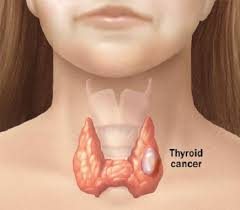
The most common and noticeable early sign of thyroid cancer is a painless lump or swelling in the neck, usually just below the Adam’s apple.
Important details doctors highlight:
-
The lump is often hard and does not move easily
-
It may slowly grow over weeks or months
-
It is usually not painful, which is why many people ignore it
Not all thyroid lumps are cancerous, but any new or growing neck lump should be checked by a medical professional.
2. Swollen Lymph Nodes
Swollen lymph nodes in the neck can be an early warning sign, especially if they appear without infection.
Warning features include:
-
Firm or rubbery lymph nodes
-
Swelling that lasts longer than two weeks
-
Nodes that continue to enlarge
Lymph nodes may swell when cancer cells begin to spread locally. Many people mistake this for a cold or sore throat, delaying evaluation.
3. Changes in Voice or Hoarseness
A persistent change in voice—especially hoarseness that does not improve—can be an early symptom.
Doctors are concerned when:
-
Hoarseness lasts more than 2–3 weeks
-
There is no cold, flu, or voice strain
-
The voice becomes weak or breathy
This happens when a thyroid tumor presses on or irritates the nerves that control the vocal cords.
4. Difficulty Swallowing or a Feeling of Pressure

Some people with early thyroid cancer report a strange sensation in the throat, such as:
-
Feeling like food gets “stuck”
-
Pressure when swallowing
-
A constant tight or full feeling in the neck
These symptoms are often subtle and painless, making them easy to dismiss. However, they can indicate that a growth is pressing against the esophagus or nearby structures.
5. Persistent Neck or Throat Discomfort
Although thyroid cancer is usually painless, ongoing discomfort in the neck or throat can still be a sign.
This may include:
-
A dull ache in the front of the neck
-
Pain that radiates to the ears
-
Discomfort not linked to infection
Pain that does not improve with time or treatment should never be ignored.
Why These Symptoms Are Often Missed
Thyroid cancer symptoms are easy to overlook because:
-
They develop slowly
-
They are usually painless
-
They resemble common conditions like infections or muscle strain
Many people delay seeing a doctor until symptoms worsen. Unfortunately, waiting reduces the advantage of early detection.
Who Is at Higher Risk
Doctors advise extra vigilance for people who:
-
Have a family history of thyroid cancer
-
Have had radiation exposure to the head or neck
-
Are female (risk is higher in women)
-
Are under 55 (thyroid cancer often appears earlier than other cancers)
However, thyroid cancer can affect anyone, including those with no risk factors.
5 Early Symptoms of Thyroid Cancer That Are Easy to Spot — and When You Should See a Doctor
Thyroid cancer is sometimes described as a “quiet cancer” because many people experience few or no symptoms in its early stages. The thyroid gland sits at the front of the neck, just below the voice box, and helps regulate metabolism, heart rate, body temperature, and other important functions through the hormones it produces.
When thyroid cancer develops, the first noticeable sign may be a small lump in the neck. In other cases, a person may discover a lump during a routine medical examination or an imaging test performed for an unrelated reason.
The good news is that many thyroid cancers are treatable, particularly when they are diagnosed before they spread extensively. However, early detection does not mean assuming that every neck lump is cancer. Thyroid nodules are common, and most are not cancerous.
Understanding which symptoms deserve attention can help people seek an appropriate evaluation without unnecessary fear.
1. A New Lump or Swelling in the Neck
One of the most recognizable signs of thyroid cancer is a lump in the front of the neck, near the lower part of the throat.
The thyroid gland has two main lobes connected by a narrow strip of tissue. It normally sits below the Adam’s apple and wraps around the front of the windpipe. When a nodule develops within the gland, it may become noticeable as a small swelling.
Some nodules are discovered accidentally because they are too small to see or feel. Others become more apparent over time, particularly when they grow.
A thyroid lump may have several characteristics:
-
It may be painless.
-
It may become more noticeable over weeks or months.
-
It may feel firm, although texture alone cannot determine whether it is cancerous.
-
It may move slightly when you swallow because the thyroid moves with the surrounding structures.
-
It may be accompanied by no other symptoms at all.
It is important to understand that a painless lump is not automatically cancerous, and a soft lump is not automatically harmless. Physical characteristics alone cannot reliably distinguish a benign nodule from a malignant one.
Many thyroid nodules are noncancerous. They may be associated with benign growths, thyroid inflammation, or other conditions. Nevertheless, a new or enlarging lump should be assessed by a healthcare professional.