
Look at Your Thumb… What Does It Reveal About You? The Surprising Meanings Behind Different Thumb Shapes
The Hidden Meaning Behind Different Thumb Shapes
Tips 09/06/2026 21:53
A freezer can become a breeding ground for bacteria and mold if food is not organized properly and the compartment is not cleaned regularly and correctly.
The freezer is where we store everything from raw meat and fish to ice cube trays. Many people assume that extremely low temperatures kill all bacteria and eliminate odors.
In reality, if not maintained properly, a freezer can trap mixed food odors and even allow certain cold-tolerant bacteria and molds to persist. A smelly freezer not only affects the quality of your food but may also impact your family’s health.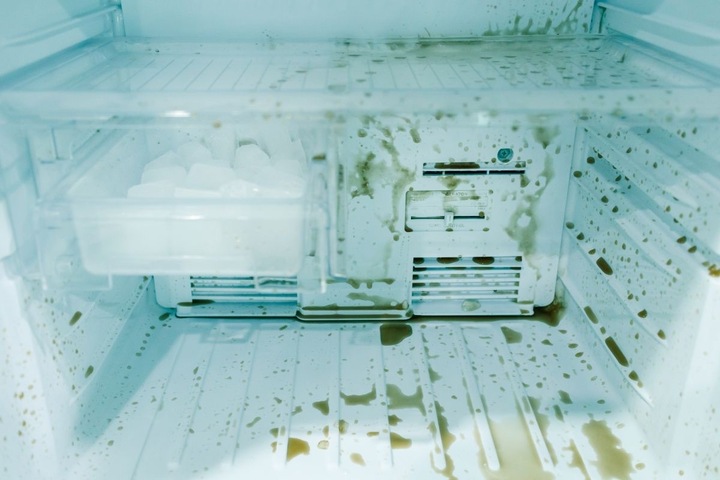
Regular cleaning helps your freezer operate more efficiently, saves energy, and extends the life of the appliance. Here are several simple and effective methods you can start using today.
The first and most important step is to clear out the freezer.
Many people store food for too long, causing forgotten packages to accumulate in the back corners.
Before cleaning:
To keep food frozen during cleaning, place it in a cooler or insulated bag.
Emptying the freezer not only makes cleaning easier but also gives you an opportunity to review your food storage habits.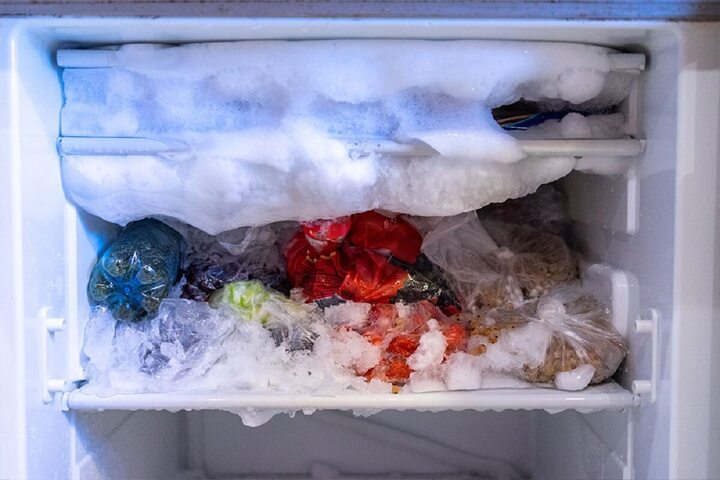
Instead of harsh chemical cleaners that may leave strong odors, natural ingredients are often the best choice.
Mix:
Vinegar’s mild acidity helps disinfect surfaces and dissolve grease and residue from leaked meat juices.
Remove shelves and drawers for separate washing, then use a soft cloth to wipe:
Rubber seals are especially prone to mold growth but are often overlooked.
Finish by wiping with clean water and drying thoroughly with a soft cloth.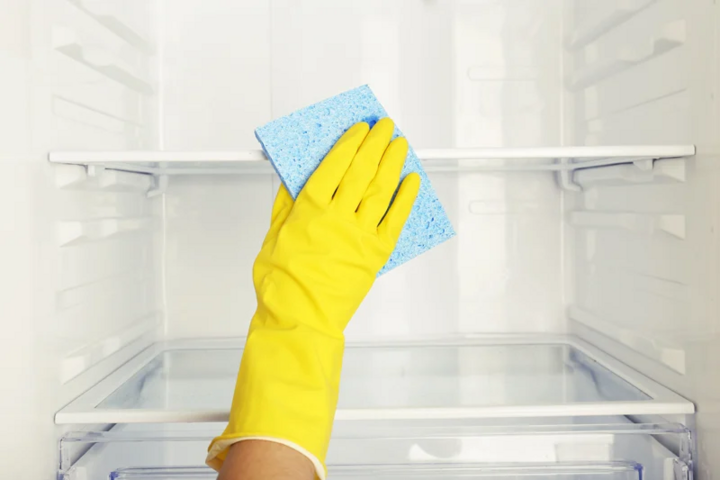
After cleaning, lingering odors can still remain.
Used coffee grounds are excellent natural odor absorbers. Place them in a small bowl or fabric pouch and set them in a corner of the freezer.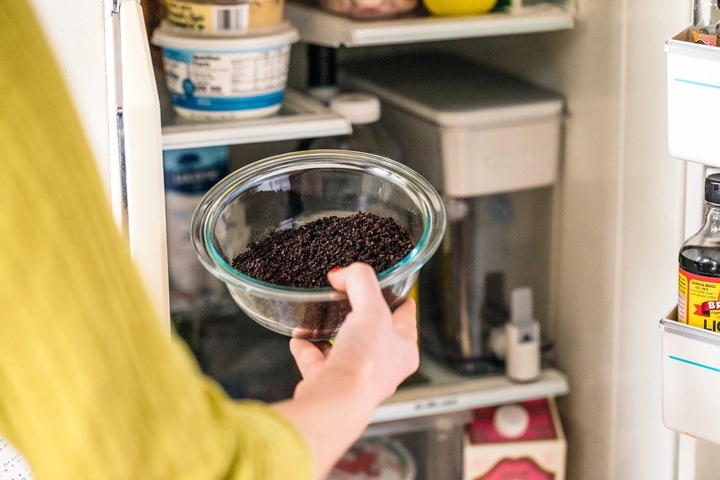
Citrus peels contain natural essential oils that help neutralize odors while leaving behind a fresh scent.
This method is inexpensive, environmentally friendly, and avoids the use of artificial deodorizing sprays.
Baking soda is one of the most effective kitchen cleaning agents and works especially well in freezers.
Unlike products that merely mask odors, baking soda chemically neutralizes them.
To use:
Baking soda provides mild abrasion for cleaning while absorbing and neutralizing unpleasant smells.
Cleaning alone is not enough. Proper storage is essential to keep your freezer odor-free.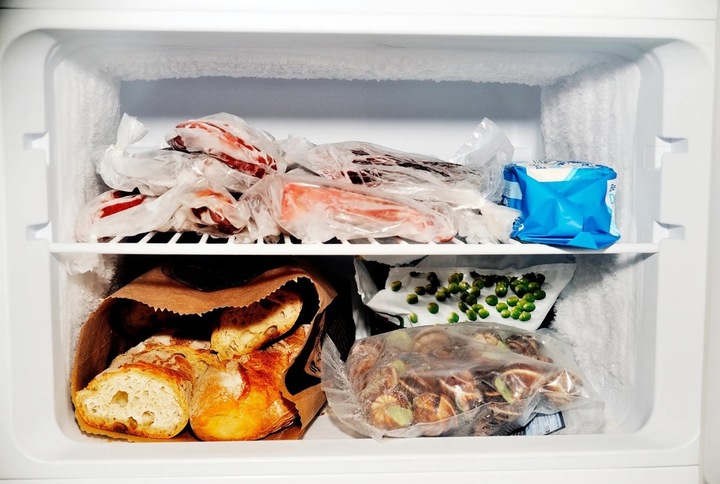
Good organization prevents cross-odors and helps food stay fresh longer.
Cleaning your freezer does not have to be difficult if done consistently and correctly.
A clean freezer helps preserve the flavor and nutritional value of your food while providing greater peace of mind for every family meal.
Try to clean your freezer at least once a month using these simple techniques. Regular maintenance can also prolong the life of your refrigerator and reduce energy costs.
The Hidden Meaning Behind Different Thumb Shapes
Protect Your Lungs: 6 Common Items in Your Home That May Influence Indoor Air Quality

Many People Don't Realize How Easy Homemade Avocado Oil Can Be

Thousands Are Trying This Lime-and-Salt Trick—Would You?
If Your Jeans Develop Weird Ripples, Stop Doing This Immediately
Orange vs. Yellow Egg Yolks: Which One Is Better?

The Hidden Potential of Cloves and Baby Oil: What You Should Know

Your First Instinct Could Reveal Your Personality Secrets
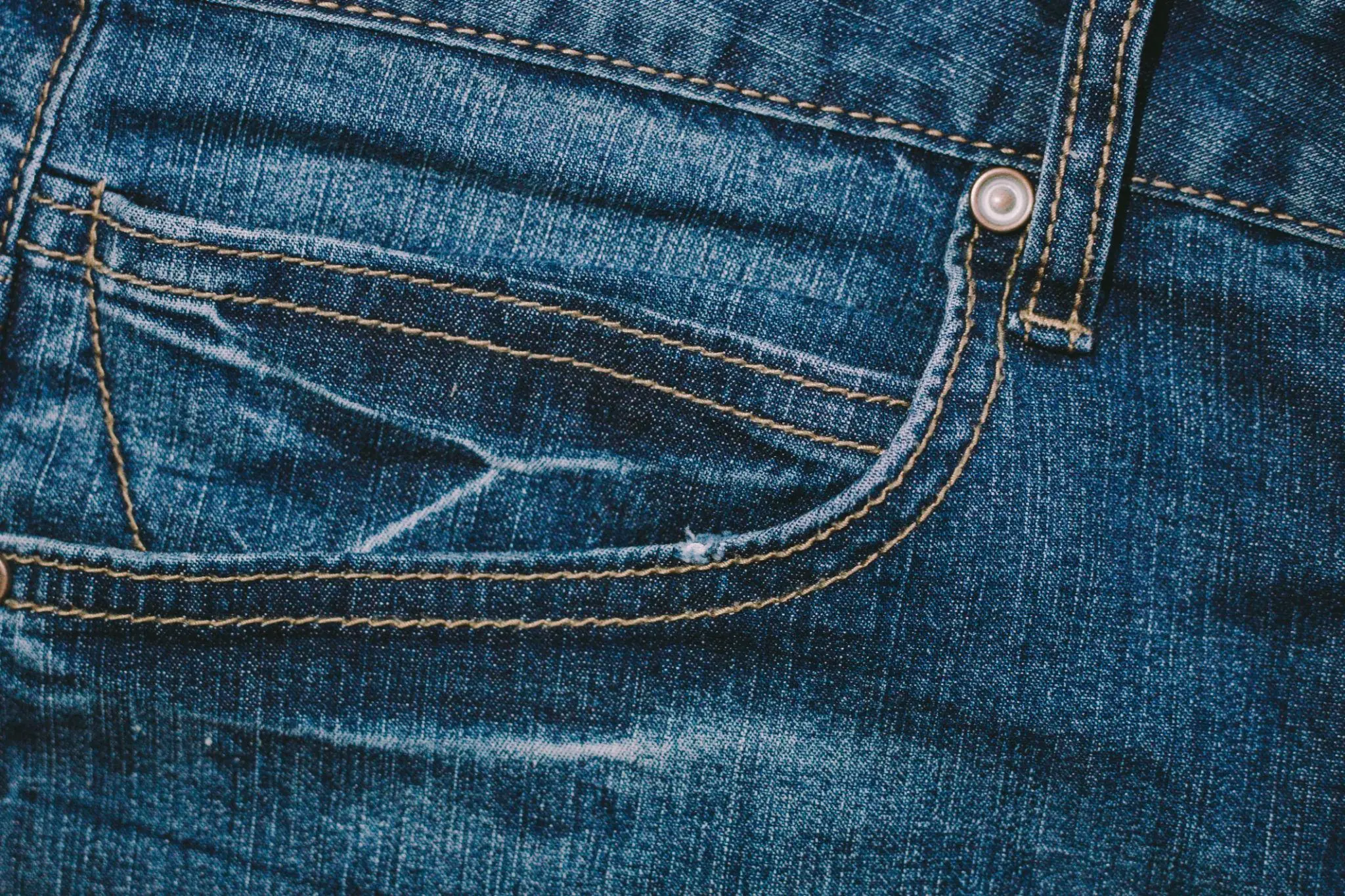
What Was That Little Pocket Really Made For?

If You See This Inside a Watermelon, Should You Throw It Away?

Could Your Garden Be Inviting Snakes Without You Realizing It?

Looking for Sparkling Floors? This Easy Cleaning Method Might Help
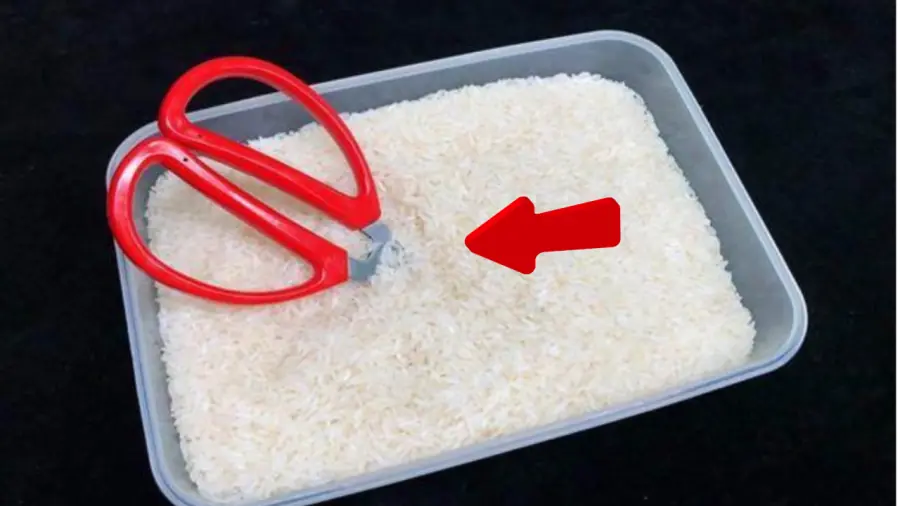
This Simple Trick of Storing Scissors in a Container of Rice Has Unexpected Advantages
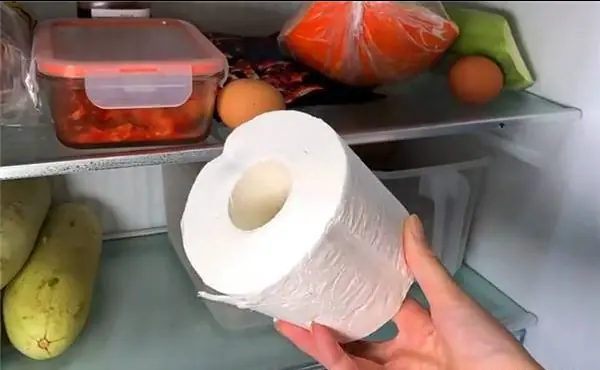
Put a Roll of Toilet Paper in Your Fridge and See What Happens

Are You Showering at the Wrong Time? Read This First

A fun personality test may reveal surprising traits about your mindset.

Can't stop clearing your throat? These simple remedies may help.

You Might Be Doing These 10 Everyday Kitchen Habits Incorrectly

Hang These Leaves Near Your Door and They May Help Keep Flies and Mosquitoes Away

Proper thermos use can help prevent contamination and food safety risks.

Before You Eat These 4 Foods, Make Sure They're Properly Prepared

6 Nutrients That May Help Support Joint Health and Ease Knee Osteoarthritis Symptoms
💧 Hidden Risks in Your Kitchen: 3 Water-Boiling Mistakes to Stop Making

❤️ Eating Peanuts Regularly? Here's What Could Be Happening Inside Your Body

6 Natural and Home-Based Approaches People Use for Peripheral Neuropathy Relief

😳 You May Not Realize What Daily Cucumber Consumption Does to Your Body

Looking After Your Heart and Brain? These 7 Common Habits May Be Worth Avoiding

⚠️ Always sleeping on your right side? This surprising fact may change how you rest… See more 👇

🩺 Heart-Healthy Foods That May Help Reduce Artery Damage Over Time

Frequent nighttime leg cramps may signal underlying health concerns.

Spoiled coconut water can pose serious health risks if consumed.

Regular beet consumption may support heart health and overall wellness.

Certain Changes in the Hands May Be Associated With Liver Disease - Here's What to Know

These 4 Unusual Changes in the Legs May Warrant a Medical Evaluation

Daily food habits can influence health in ways many people overlook.

Balanced breakfast choices may support better blood sugar management daily.
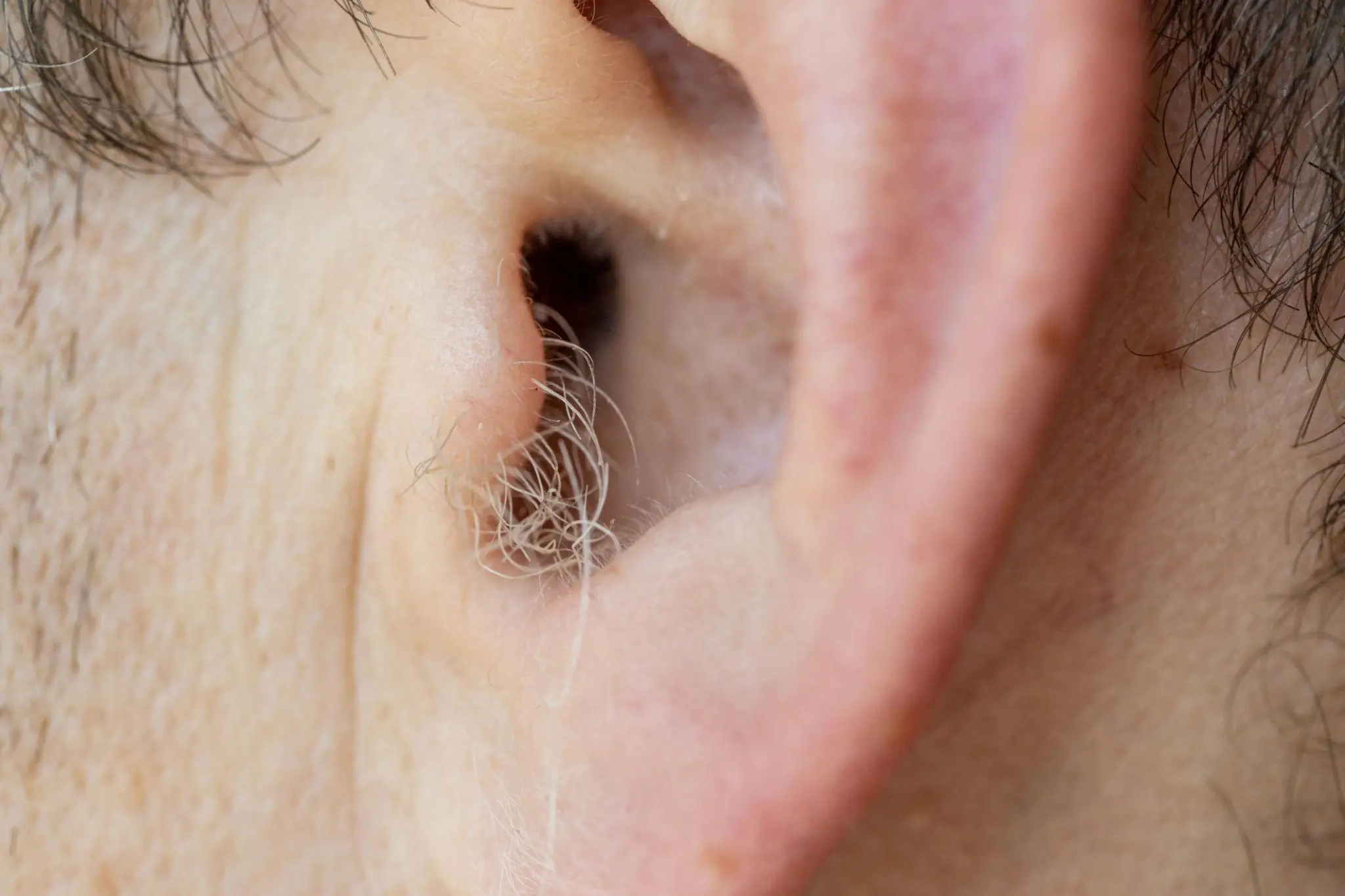
Why Some People Grow More Ear Hair Than Others
The Hidden Meaning Behind Different Thumb Shapes

These 8 Foot Massage Areas Are Often Used for Relaxation and Stress Relief