For millions of people, coffee is part of a normal morning routine. A cup—or sometimes several—can help people feel more alert, improve concentration, and provide a comforting start to the day.
But what happens when someone who has relied on coffee for years is eventually diagnosed with serious kidney disease?
Imagine a 50-year-old man who has started experiencing persistent fatigue, swelling in his legs, changes in urination, and difficulty concentrating. Medical testing reveals that his kidneys are no longer functioning properly, and he is eventually diagnosed with advanced or end-stage kidney disease.
He drinks coffee every day.
That immediately raises an important question:
Could his daily coffee habit have contributed to his kidney problems?
The answer isn't as straightforward as many headlines suggest.
Current evidence does not support the idea that ordinary coffee consumption directly causes end-stage kidney failure in otherwise healthy people. In fact, some research has found associations between coffee consumption and a lower risk of certain kidney outcomes.
However, coffee can become more complicated when a person already has kidney disease, high blood pressure, diabetes, cardiovascular disease, or other health conditions.
The bigger lesson isn't necessarily to stop drinking coffee. It's to understand how coffee fits into the overall picture of kidney health.

What Is End-Stage Kidney Disease?
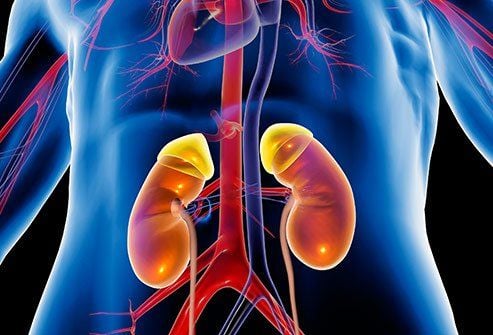
The kidneys perform several essential functions every day.
They filter waste products from the blood, regulate fluid balance, help control blood pressure, maintain electrolyte levels, and contribute to red blood cell production and bone health.
When kidney function gradually declines, waste and excess fluid can begin accumulating in the body.
End-stage kidney disease (ESKD) refers to kidney failure severe enough that the kidneys can no longer adequately support the body's needs. At that stage, a person may require dialysis or a kidney transplant.
Importantly, kidney failure usually doesn't happen because of one isolated meal, drink, or habit.
Chronic kidney disease often develops over years or decades.
Common underlying causes include:
-
Diabetes
-
High blood pressure
-
Certain autoimmune diseases
-
Inherited kidney disorders
-
Recurrent kidney injuries
-
Some kidney diseases and inflammatory conditions
-
Long-term exposure to certain medications or toxins
-
Repeated episodes of acute kidney injury
In many cases, several risk factors occur together.
That's why blaming a single food or beverage can be misleading.
So, Can Coffee Cause Kidney Failure?
For most healthy adults, there is no strong evidence that moderate coffee consumption directly causes kidney failure.
This distinction is extremely important.
A person may drink coffee every day and later develop kidney disease, but that does not automatically mean the coffee caused the disease.
This is an example of the difference between association and causation.
Researchers may observe that two things occur in the same population, but that doesn't prove one caused the other.
For example, someone who drinks several cups of coffee every day might also:
-
Sleep poorly
-
Smoke
-
Consume a high-sodium diet
-
Drink sugary coffee beverages
-
Have uncontrolled hypertension
-
Have diabetes
-
Exercise very little
-
Take certain medications
-
Have an underlying health condition
Any of these factors—or a combination—could influence kidney health.
Therefore, a kidney diagnosis should be evaluated in the context of the person's complete medical history, rather than focusing exclusively on coffee.
Why Has Coffee Been Studied in Relation to Kidney Health?
Coffee contains hundreds of chemical compounds.
One of the best known is caffeine, a natural stimulant that affects the nervous system.
Coffee also contains various antioxidants and other biologically active compounds.
Because kidney disease is influenced by factors such as oxidative stress, inflammation, blood pressure, metabolism, and cardiovascular health, researchers have been interested in whether coffee consumption might be associated with kidney outcomes.
Some observational studies have reported potentially favorable associations between coffee consumption and certain measures of kidney health.
However, observational research has limitations.
People who drink coffee may differ from people who don't drink coffee in many ways. Researchers can statistically adjust for some factors, but they cannot always eliminate every possible source of bias.
So it's more accurate to say:
Coffee consumption is being studied in relation to kidney health, but that doesn't mean coffee should be considered a treatment for kidney disease—or that everyone should start drinking it.
Caffeine Can Temporarily Affect Blood Pressure
One reason coffee deserves attention is caffeine's effect on blood pressure.
Caffeine can temporarily increase blood pressure in some people, particularly those who aren't accustomed to it.
For many healthy adults, this temporary increase isn't necessarily dangerous.
But blood pressure is extremely important when it comes to kidney health.
High blood pressure can damage the small blood vessels inside the kidneys. Over time, that damage can impair the kidneys' ability to filter blood effectively.
The relationship also works in the other direction.
Kidney disease can contribute to high blood pressure because damaged kidneys may have difficulty regulating fluid and hormones involved in blood-pressure control.
This creates a potentially harmful cycle:
Kidney damage → higher blood pressure → additional kidney damage.
For someone with hypertension or kidney disease, caffeine intake may therefore deserve individualized consideration.
The Bigger Problem May Be What You Put in Your Coffee
When people talk about “coffee,” they aren't always talking about the same drink.
A plain cup of brewed coffee is very different from a large flavored coffee containing:
-
Added sugar
-
Sweetened syrups
-
Whipped cream
-
Sweetened condensed milk
-
High-calorie creamers
-
Large amounts of saturated fat
Drinking a plain or lightly sweetened coffee occasionally is one thing.
Consuming multiple large, heavily sweetened coffee beverages every day is another.
Excessive added sugar intake can contribute to weight gain and poor metabolic health. Over time, obesity, insulin resistance, and type 2 diabetes can increase the risk of kidney disease.
So when evaluating a person's “coffee habit,” healthcare professionals may need to ask:
What exactly is in the cup?
Diabetes Is One of the Most Important Kidney Risk Factors
Diabetes is a major cause of chronic kidney disease.
Persistently elevated blood glucose can damage the tiny blood vessels and filtering structures within the kidneys.
The damage may develop gradually and without obvious symptoms.
A person may feel completely normal while kidney function is declining.
This is one reason someone diagnosed with advanced kidney disease at age 50 may have had an underlying problem for years without realizing it.
If that person also drinks several sweetened coffee beverages every day, the important question isn't simply:
“Did coffee damage his kidneys?”
A more useful question might be:
“Did his overall dietary and metabolic health contribute to the conditions that eventually affected his kidneys?”
That distinction can completely change how the situation is understood.
High Blood Pressure Can Be a Silent Threat
Another major kidney risk factor is hypertension.
High blood pressure often produces no noticeable symptoms.
Someone can feel healthy, work normally, exercise occasionally, and still have blood pressure high enough to gradually damage their organs.
Over many years, uncontrolled hypertension can affect the kidneys, heart, brain, and blood vessels.
This is why regular blood-pressure checks are important, particularly as people get older or develop other risk factors.
If you drink coffee regularly and have concerns about blood pressure, consider checking your blood pressure at different times and discussing the results with a healthcare professional.
What About Dehydration?
You may have heard that coffee “dehydrates” you and therefore damages the kidneys.
This is an oversimplification.
Caffeine can have a mild diuretic effect, meaning it can increase urine production in some circumstances. However, the fluid contained in a normal cup of coffee still contributes to overall fluid intake.
For most people who consume moderate amounts of caffeine regularly, coffee does not automatically cause dehydration.
The situation can be different if someone is:
-
Exercising heavily
-
Sweating excessively
-
Experiencing vomiting or diarrhea
-
Living in extreme heat
-
Consuming very large amounts of caffeine
-
Not drinking enough fluids overall
Adequate hydration is particularly important during situations where significant fluid loss is occurring.
But again, ordinary coffee consumption should not automatically be blamed for chronic kidney failure.

Can Coffee Affect Kidney Stones?
Kidney stones are another area where coffee has been studied.
Some research suggests that coffee and caffeine consumption may be associated with a lower risk of developing kidney stones in certain populations.
One possible explanation is that coffee can increase urine volume, which may help reduce the concentration of substances that can form stones.
However, kidney stones are complicated.
Risk depends on:
-
Fluid intake
-
Diet
-
Genetics
-
Body weight
-
Certain medical conditions
-
Urinary chemistry
-
Sodium consumption
-
Previous history of stones
Therefore, coffee should not be considered a guaranteed method for preventing kidney stones.
For someone who has recurrent stones, individualized advice from a healthcare professional is much more useful.
What If You Already Have Kidney Disease?
This is where the conversation changes significantly.
A person with chronic kidney disease may need to pay attention to nutrients and substances that a healthy person doesn't normally need to worry about as much.
Depending on kidney function and treatment, healthcare professionals may recommend monitoring:
-
Sodium
-
Potassium
-
Phosphorus
-
Protein
-
Fluid intake
Coffee itself isn't automatically forbidden.
But the amount and type may matter.
For example, some coffee beverages contain significant amounts of potassium or phosphorus depending on the ingredients used, particularly when milk, creamers, or certain additives are involved.
People receiving dialysis may also have individualized fluid and dietary restrictions.
Therefore:
If you have chronic kidney disease, don't assume that advice designed for healthy people automatically applies to you.
Your nephrologist or dietitian can help determine what fits your specific condition.
How Much Coffee Is Too Much?
There isn't one universal number that applies perfectly to every person.
Tolerance varies depending on:
-
Body size
-
Genetics
-
Medications
-
Pregnancy
-
Sleep quality
-
Heart conditions
-
Blood pressure
-
Anxiety sensitivity
-
Caffeine tolerance
For healthy adults, many health authorities consider up to around 400 milligrams of caffeine per day to be an amount that is generally not associated with negative effects for most people.
But this does not mean everyone should consume that much.
One cup of coffee can contain very different amounts of caffeine depending on:
-
Bean variety
-
Brewing method
-
Serving size
-
Roast
-
Brand
-
Preparation
A large café drink may contain considerably more caffeine than a small cup brewed at home.
Signs You're Consuming Too Much Caffeine
Your body may tell you that your caffeine intake is higher than you tolerate well.
Possible symptoms include:
-
Restlessness
-
Shakiness
-
Rapid heartbeat
-
Anxiety
-
Headaches
-
Difficulty sleeping
-
Irritability
-
Stomach discomfort
-
Frequent urination
If these symptoms occur regularly after coffee consumption, reducing caffeine may be worth discussing with a healthcare professional.
And remember: poor sleep itself can have consequences for metabolic and cardiovascular health.
If someone drinks several cups of coffee late in the afternoon or evening and consistently sleeps poorly, the problem may have less to do with the coffee's direct effect on the kidneys and more to do with its impact on overall health.
The Hidden Danger of Energy Drinks
People sometimes group coffee and energy drinks together because both can contain caffeine.
But they're not necessarily nutritionally equivalent.
Some energy drinks contain:
-
Very high amounts of caffeine
-
Large quantities of sugar
-
Other stimulants
-
Various herbal ingredients
Consuming large amounts of highly caffeinated beverages can cause cardiovascular and other adverse effects, particularly in susceptible individuals.
If someone is worried about kidney health, replacing sugary energy drinks with water or another appropriate low-sugar beverage may be a more meaningful change than eliminating a moderate morning coffee.
Kidney Disease Often Develops Silently
Perhaps the most important lesson from a 50-year-old person's diagnosis is that kidney disease can progress without obvious warning signs.
Early chronic kidney disease may cause few or no symptoms.
That's why relying on symptoms alone isn't enough.
When kidney disease becomes more advanced, possible symptoms can include:
-
Persistent fatigue
-
Swelling in the ankles, legs, or around the eyes
-
Changes in urination
-
Foamy urine
-
Blood in the urine
-
Loss of appetite
-
Nausea
-
Itching
-
Muscle cramps
-
Trouble concentrating
-
Sleep problems
-
Shortness of breath
However, these symptoms can have many different causes.
They should not automatically be interpreted as evidence of kidney disease.
Testing is much more reliable.
Simple Tests Can Reveal Kidney Problems
Two commonly used assessments are particularly important.
Estimated glomerular filtration rate
Often called eGFR, this is an estimate of how well the kidneys are filtering blood.
A persistently reduced eGFR can indicate impaired kidney function.
Urine albumin testing
A urine test can detect elevated levels of albumin, a protein that normally remains largely in the bloodstream.
Increased urinary albumin can be an important sign of kidney damage.
These tests can sometimes identify kidney problems before severe symptoms develop.
People with diabetes, hypertension, cardiovascular disease, or other risk factors may need kidney testing more regularly.
What Can You Do to Protect Your Kidneys?
Instead of focusing entirely on whether to drink coffee, consider the habits that have a much stronger connection with long-term kidney health.
1. Control your blood pressure
Know your numbers and follow medical advice if your blood pressure is elevated.
2. Manage blood sugar
If you have diabetes or prediabetes, keeping blood glucose under appropriate control can help protect the kidneys.
3. Don't smoke
Smoking damages blood vessels and can contribute to cardiovascular and kidney problems.
4. Maintain a healthy weight
Excess body weight can increase the risk of conditions that affect kidney function.
5. Stay physically active
Regular physical activity supports cardiovascular and metabolic health.
6. Be careful with medications
Some pain relievers, particularly when used frequently or incorrectly, can contribute to kidney injury.
Never assume an over-the-counter medication is harmless simply because you don't need a prescription.
7. Avoid excessive sodium
High sodium intake can contribute to elevated blood pressure and fluid retention.
8. Stay appropriately hydrated
Drink enough fluid for your individual needs, while recognizing that people with advanced kidney disease may have specific fluid restrictions.
9. Get regular medical checkups
Especially if you have diabetes, high blood pressure, or a family history of kidney disease.
10. Treat coffee as one part of the bigger picture
A moderate coffee habit is unlikely to explain severe kidney disease by itself.
Should You Stop Drinking Coffee to Protect Your Kidneys?
For most healthy adults, there is not a strong reason to assume that eliminating moderate coffee consumption is necessary solely to prevent kidney disease.
If you enjoy coffee and tolerate it well, a moderate amount can generally fit into a healthy lifestyle.
But you may want to reconsider your routine if coffee causes:
-
Persistent sleep problems
-
Significant anxiety
-
Palpitations
-
Blood-pressure concerns
-
Digestive symptoms
-
Excessive caffeine dependence
And if you already have kidney disease, your dietary recommendations should be individualized.
Your healthcare provider may recommend modifying your coffee intake depending on your kidney function, blood pressure, medications, electrolyte levels, and overall diet.
The Bigger Lesson Behind a Kidney Disease Diagnosis at 50
A diagnosis of end-stage kidney disease at age 50 is serious, but the presence of a daily coffee habit doesn't automatically explain why it happened.
Kidney disease is usually the result of a complex interaction between genetics, medical conditions, lifestyle factors, medications, and environmental influences.
For many people, the most important risk factors are conditions such as diabetes and high blood pressure.
That's why a person shouldn't necessarily look back at their morning cup of coffee and think:
“That caused my kidneys to fail.”
The more useful question is:
“What factors may have affected my kidney health over the years, and what can I do now to protect the kidney function I have?”
That shift—from blame to prevention—is much more valuable.
Final Thoughts
Coffee is one of the world's most widely consumed beverages, and its relationship with health is more nuanced than sensational headlines often suggest.
A 50-year-old man developing end-stage kidney disease after years of drinking coffee every day would understandably raise questions. But timing alone does not establish causation.
For most healthy adults, moderate coffee consumption is not considered a proven direct cause of kidney failure. In fact, research has explored potential associations between coffee consumption and certain favorable kidney outcomes.
At the same time, how much coffee you drink, what you add to it, and your overall health matter.
A heavily sweetened coffee consumed several times a day is very different from a simple cup of black coffee. And someone with advanced kidney disease may have dietary requirements that differ substantially from those of a healthy adult.
Ultimately, protecting your kidneys isn't about finding one “bad” beverage.
It's about managing the factors that influence kidney health over the long term: blood pressure, blood sugar, weight, physical activity, sodium intake, smoking, medications, hydration, and regular medical screening.
If you're concerned about your kidney health—or if you have risk factors such as diabetes or high blood pressure—don't wait for symptoms to appear. A simple blood test and urine test can provide valuable information about how your kidneys are functioning.
And if you love your daily coffee, the evidence doesn't suggest that you should automatically panic.
The goal is not to fear coffee. The goal is to understand your individual health risks and make informed choices that support your kidneys for years to come.