Chapter 1: Why Can a Stroke Happen Suddenly During the Night?
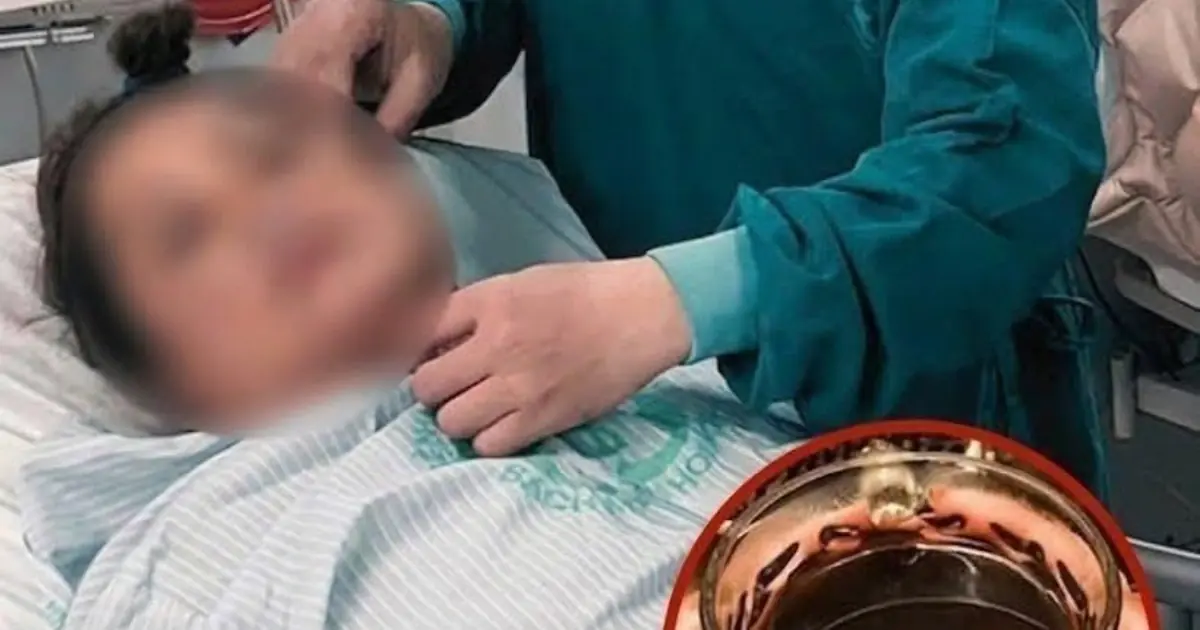
A stroke is one of the most serious medical emergencies because it can affect the brain within minutes. It may happen while someone is working, exercising, eating, or resting. In some cases, the first symptoms become noticeable when a person wakes up in the morning.
For many families, the experience can be frightening. Someone may go to bed feeling relatively normal, only for relatives to discover that the person cannot speak clearly, move one side of the body, or respond normally the following morning.
This is why understanding stroke symptoms and cardiovascular risk factors is so important, particularly for adults approaching middle age.
Understanding what happens during a stroke
A stroke occurs when blood flow to part of the brain is interrupted or when a blood vessel in the brain ruptures.
Brain cells require a continuous supply of oxygen and nutrients delivered through the bloodstream. When this supply is disrupted, brain tissue can become damaged.
There are two major types of stroke.
1. Ischemic stroke
This is the most common type.
It occurs when a blood clot or another blockage prevents blood from reaching part of the brain.
The blockage may develop in an artery supplying the brain or result from a clot that travels from another part of the body.
One important cause is atrial fibrillation, an abnormal heart rhythm that can allow blood clots to form inside the heart.
If a clot travels to the brain and blocks an artery, it can cause an ischemic stroke.
2. Hemorrhagic stroke
This occurs when a blood vessel in the brain ruptures, allowing blood to leak into surrounding brain tissue or nearby spaces.
High blood pressure is an important risk factor because prolonged elevated pressure can damage blood vessels.
Both types of stroke require urgent medical attention, although their treatments differ.
Why can symptoms appear overnight?
A stroke does not necessarily begin when someone wakes up.
It may occur during sleep, but because the person is unconscious or resting, nobody notices the first symptoms.
For example, someone may develop weakness on one side of the body during the night. When they wake up, they may discover that one arm is difficult to move or that their speech sounds unusual.
Doctors sometimes refer to this situation as a wake-up stroke.
The exact time when the stroke began may be unknown, which can complicate treatment decisions.
Nevertheless, this does not mean treatment is impossible.
Hospital specialists can use brain imaging and other examinations to determine the type of stroke and whether certain treatments are appropriate.
The most important step is to obtain emergency medical assistance as quickly as possible.
Why people in their 40s and 50s should pay attention
Stroke risk generally increases with age, but it is not exclusively a disease of older adults.
Adults in their 40s and 50s can experience strokes, especially when several risk factors are present.
Some of the most important include:
-
High blood pressure.
-
Diabetes.
-
High cholesterol.
-
Smoking.
-
Excessive alcohol consumption.
-
Obesity.
-
Physical inactivity.
-
Atrial fibrillation.
-
Certain inherited medical conditions.
High blood pressure is particularly important because it is a major controllable risk factor for stroke.
Many people with hypertension do not experience obvious symptoms. They may feel healthy while elevated blood pressure gradually damages their blood vessels.
This is one reason regular blood pressure checks are valuable.
The American Stroke Association identifies blood pressure control, diabetes management, smoking cessation, physical activity, and limiting alcohol as important components of stroke prevention.
American Stroke Association+2
Can everyday drinking habits influence stroke risk?
Drinks are often overlooked when people think about cardiovascular health.
However, certain beverages can influence sleep, blood pressure, heart rhythm, and overall health.
Two categories deserve particular attention:
-
Alcoholic beverages, especially when consumed excessively or through binge drinking.
-
Highly caffeinated beverages, particularly when consumed late in the evening by people who are sensitive to caffeine.
These drinks do not automatically cause a stroke after consumption.
Their effects depend on quantity, frequency, individual health, medications, and other lifestyle factors.
The following chapters explain what medical evidence says and why people with high blood pressure or existing cardiovascular conditions should be especially careful.
[Image 1 – Suggested placement: An Asian middle-aged woman receiving medical attention in a bright hospital room, with a healthcare professional checking her condition. No text or logos.]
Chapter 2: The First Drink to Be Careful About – Alcohol Before Bed
Alcohol is often associated with relaxation.
After a tiring day, some people enjoy a glass of wine, beer, or another alcoholic beverage because they believe it helps them unwind before sleeping.
Alcohol can initially make a person feel sleepy. However, its effects on the body are more complicated than many people realize.
Although it may help someone fall asleep more quickly, it can interfere with sleep quality and affect cardiovascular health.
For people with high blood pressure or existing heart conditions, excessive alcohol consumption deserves particular attention.
How alcohol affects the cardiovascular system
When someone drinks alcohol, it enters the bloodstream and affects several organs, including the brain, liver, and cardiovascular system.
The amount consumed and the frequency of drinking influence its effects.
Heavy alcohol consumption is associated with several cardiovascular problems, including:
-
High blood pressure.
-
Irregular heart rhythms.
-
Heart muscle disease.
-
Increased risk of stroke.
-
Other forms of cardiovascular disease.
One important concern is the relationship between excessive alcohol consumption and hypertension.
High blood pressure places additional stress on blood vessel walls. Over time, this can contribute to damage within the circulatory system.
The American Heart Association explains that heavy alcohol consumption and binge drinking are consistently associated with worse cardiovascular outcomes, including hypertension and stroke.
American Heart Association+1