6 Best Remedies That May Help Keep Your Arteries Healthy and Improve Circulation
Healthy arteries are essential for maintaining strong heart health and proper blood circulation. Arteries are responsible for carrying oxygen-rich blood from the heart to the rest of the body. When these blood vessels become clogged with fatty deposits, known as plaque, it can restrict blood flow and increase the risk of serious conditions such as heart attacks, strokes, and high blood pressure.
This condition is often associated with atherosclerosis, a gradual buildup of cholesterol, fat, and other substances inside the artery walls. Over time, the arteries may become narrow and less flexible, reducing the efficiency of blood circulation.
The good news is that lifestyle habits, diet, and certain natural practices may help support cardiovascular health and reduce the risk of plaque buildup. While no food or remedy can instantly “clean” arteries, many habits can help keep them healthy over time.
Below are six commonly recommended approaches that may help protect artery health and improve overall circulation.
Understanding Artery Blockage


Artery blockage occurs when plaque gradually accumulates inside blood vessels. This plaque consists of cholesterol, fats, calcium, and inflammatory cells.
As plaque grows, it can:
-
Narrow the arteries
-
Reduce blood flow
-
Increase blood pressure
-
Raise the risk of blood clots
Maintaining healthy arteries involves reducing plaque formation and supporting good circulation and vascular flexibility.
1. Garlic – A Natural Heart Health Supporter


Garlic has long been recognized for its potential cardiovascular benefits.
Research suggests that compounds in garlic may help:
-
Reduce LDL (“bad”) cholesterol
-
Support healthy blood pressure
-
Improve blood vessel flexibility
Garlic contains allicin, a sulfur compound believed to contribute to these effects. Many people incorporate garlic into daily meals as part of a heart-healthy diet.
2. Turmeric – Supporting Anti-Inflammatory Health

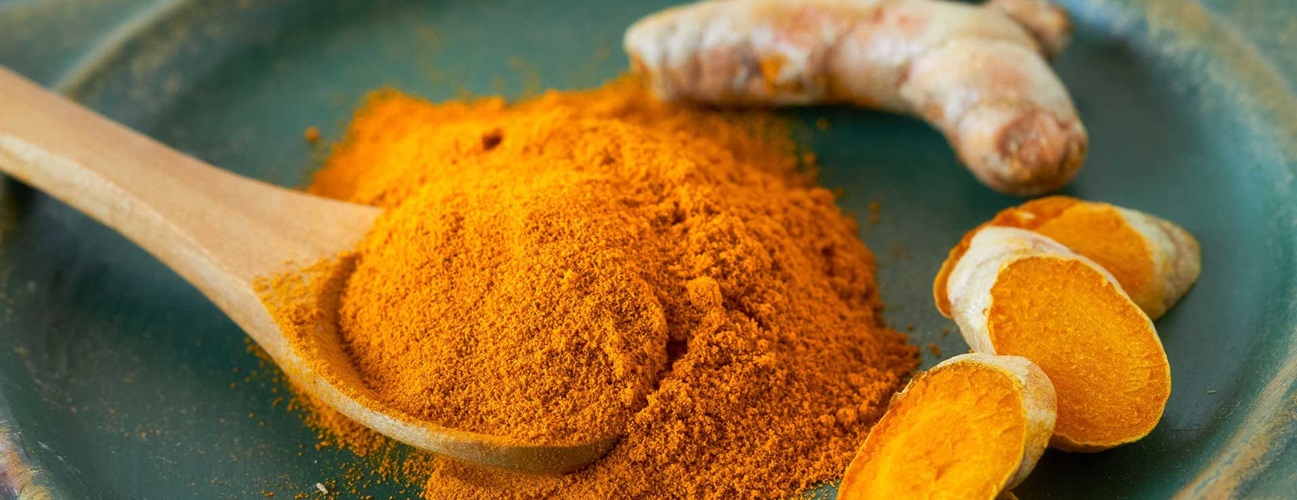

Turmeric contains curcumin, a powerful compound known for its anti-inflammatory and antioxidant properties.
Chronic inflammation can contribute to plaque buildup inside arteries. Curcumin may help support heart health by:
-
Reducing inflammation
-
Protecting blood vessel walls
-
Supporting healthy cholesterol levels
Adding turmeric to soups, teas, or meals can be a simple way to incorporate it into a balanced diet.
3. Leafy Green Vegetables


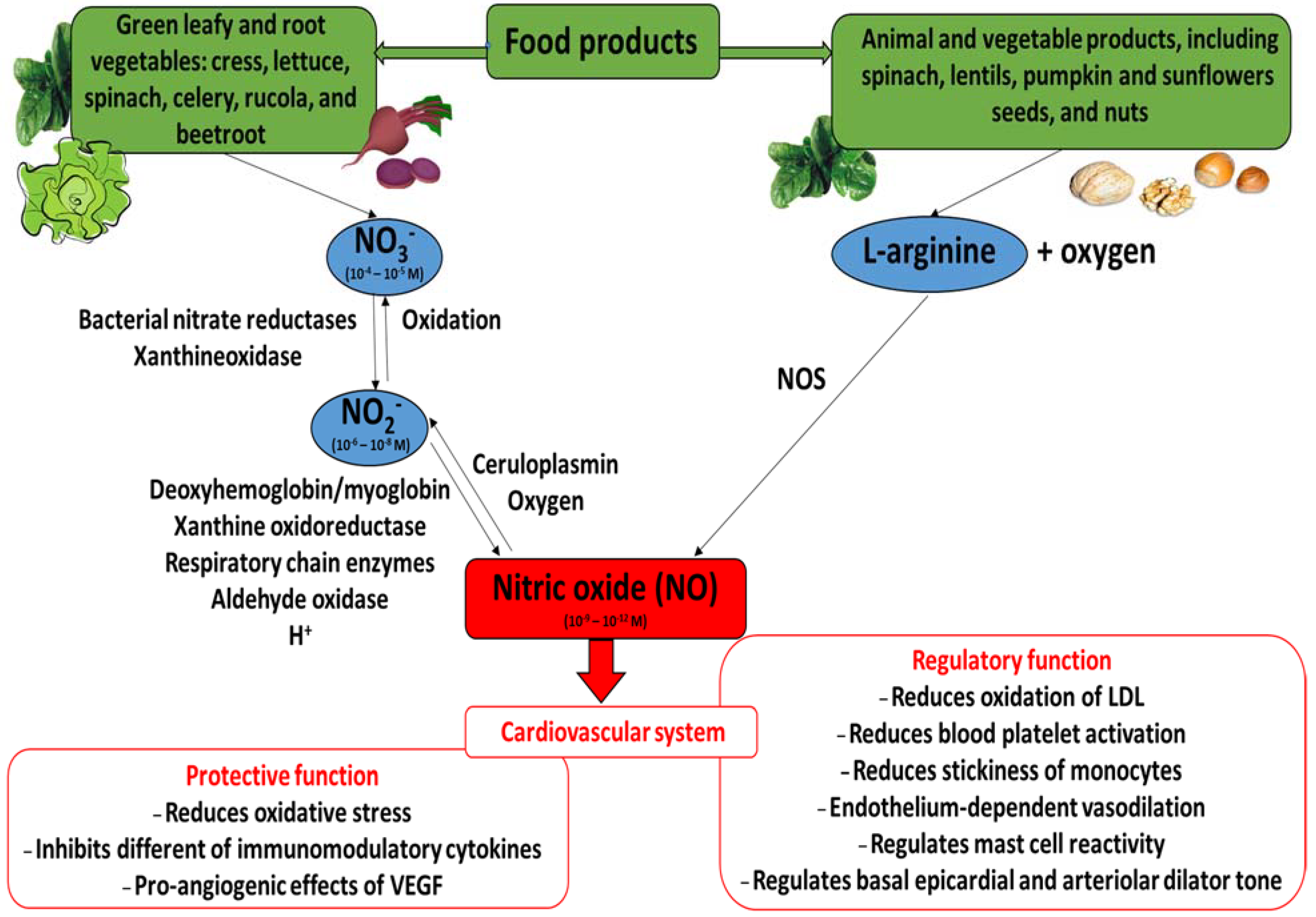
Leafy greens such as spinach, kale, and arugula are rich in dietary nitrates, which help support blood vessel function.
These vegetables may help:
-
Improve circulation
-
Lower blood pressure
-
Support arterial flexibility
They are also rich in vitamins, antioxidants, and fiber, all of which contribute to overall cardiovascular health.
4. Fatty Fish Rich in Omega-3


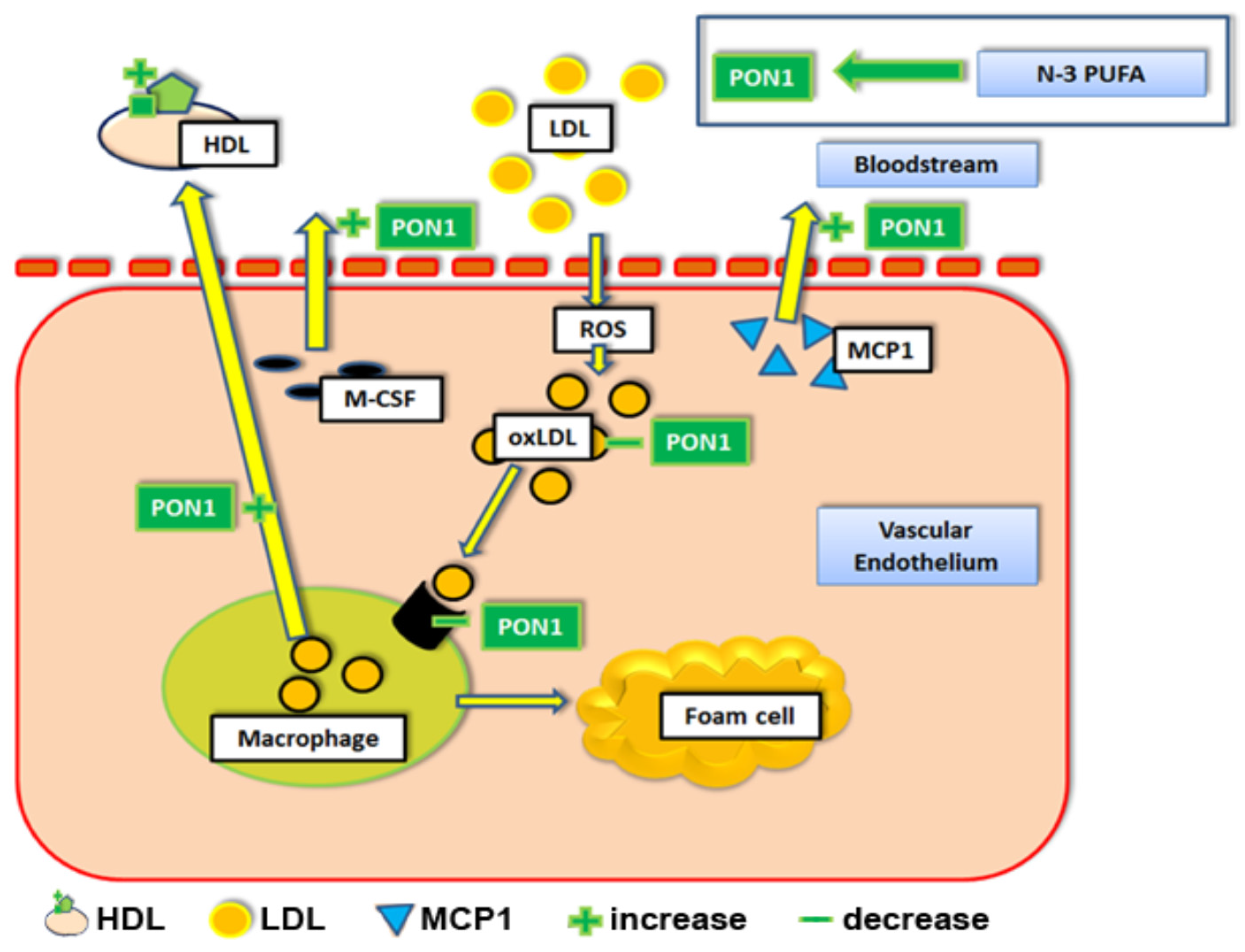
Fish such as salmon, mackerel, and sardines are excellent sources of omega-3 fatty acids.
Omega-3s have been widely studied for their ability to:
-
Reduce inflammation
-
Lower triglycerides
-
Improve blood vessel function
Regular consumption of fatty fish may support better heart health and improved circulation.
5. Regular Physical Activity


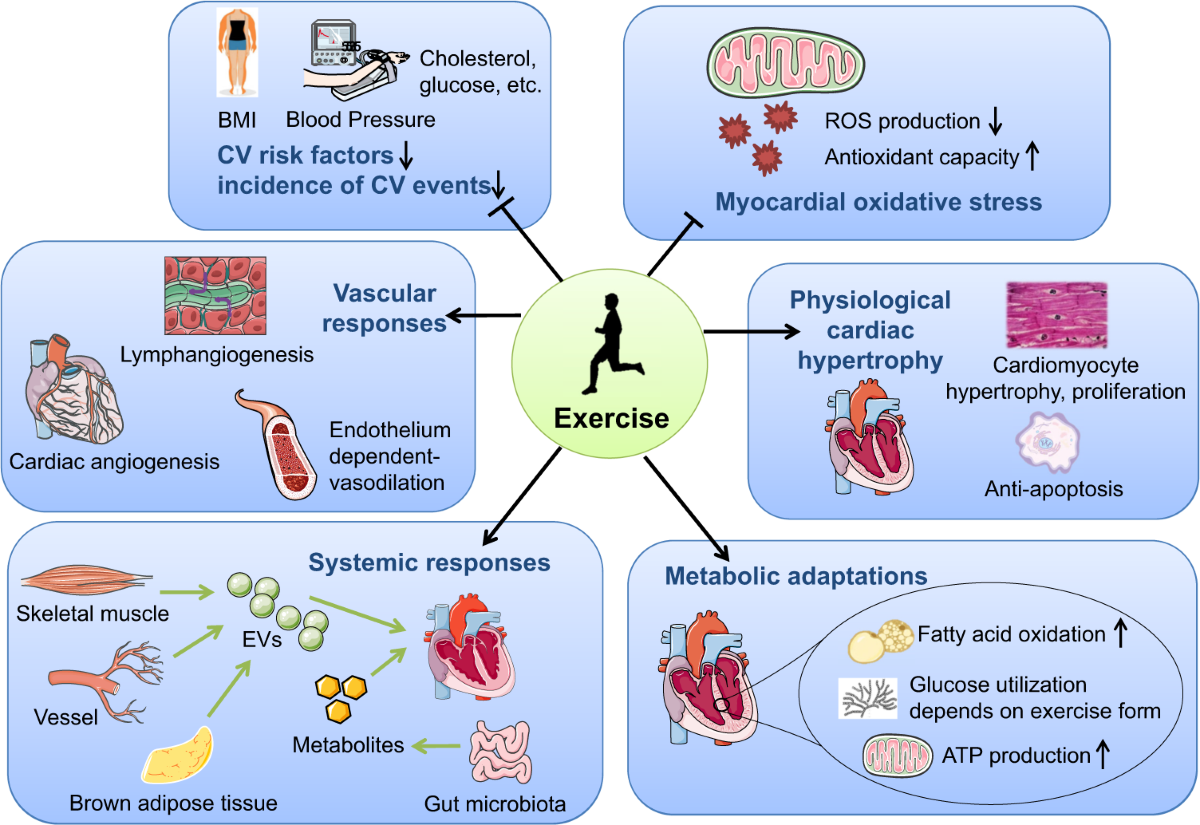
Exercise is one of the most powerful ways to maintain healthy arteries.
Regular physical activity can:
-
Improve blood circulation
-
Reduce cholesterol levels
-
Strengthen the heart muscle
-
Help maintain healthy blood pressure
Even moderate activities such as walking, cycling, or swimming for 30 minutes a day can significantly benefit cardiovascular health.
6. Reducing Processed Foods and Sugar


Diets high in processed foods, refined sugar, and unhealthy fats may contribute to cholesterol buildup and inflammation.
Reducing these foods and replacing them with whole, nutrient-rich ingredients can help protect artery health.
Examples of healthier choices include:
-
Whole grains
-
Fresh fruits
-
Vegetables
-
Nuts and seeds
-
Healthy fats such as olive oil
A Long-Term Approach to Heart Health
There is no single remedy that can instantly “clean” arteries. However, combining healthy habits—such as balanced nutrition, regular exercise, and maintaining a healthy weight—can significantly support long-term cardiovascular health.
Regular medical checkups and cholesterol monitoring are also essential for detecting potential issues early.
By making consistent lifestyle choices that protect the heart and blood vessels, individuals can greatly reduce the risk of cardiovascular disease and maintain healthier arteries throughout life.