Warts are one of the most common skin conditions affecting people of all ages. Although they are generally harmless, they can be bothersome, uncomfortable, and sometimes embarrassing. Warts are caused by certain strains of the human papillomavirus (HPV), which infect the outer layer of the skin and trigger excessive cell growth.
Warts can appear almost anywhere on the body and vary significantly in appearance. Some are rough and raised, while others are flat, smooth, or found on pressure-bearing areas such as the feet.
Understanding the different types of warts can help individuals recognize them early and choose appropriate treatment options.
This guide explores six of the most common types of warts, including their symptoms, causes, home care strategies, and medical treatments.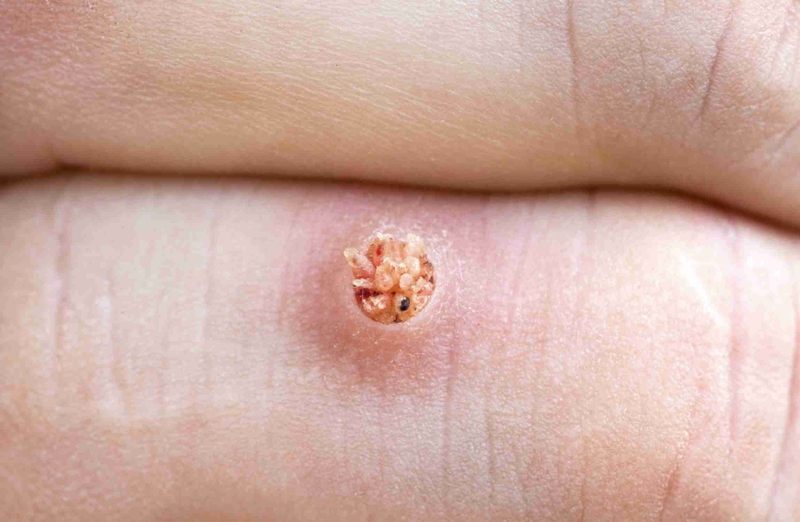
What Causes Warts?
Warts develop when HPV enters the skin through tiny cuts, scratches, or other openings.
How HPV Spreads
The virus may spread through:
-
Direct skin-to-skin contact
-
Shared personal items
-
Public showers
-
Swimming pool areas
-
Locker rooms
Not everyone exposed to HPV develops warts. The immune system plays an important role in determining whether the virus causes visible skin growths.
1. Common Warts (Verruca Vulgaris)
Appearance
Common warts are usually:
-
Rough
-
Raised
-
Round
-
Grayish or flesh-colored
They often contain tiny black dots, which are small blood vessels.
Common Locations
-
Fingers
-
Hands
-
Around fingernails
-
Elbows
-
Knees
Symptoms
Most common warts are painless, although larger lesions may become irritated.
Home Care
Many people use over-the-counter treatments containing:
-
Salicylic acid
-
Wart removal pads
-
Freezing kits
Consistency is important because treatment may require several weeks.
Medical Treatment
Doctors may recommend:
-
Cryotherapy (freezing)
-
Laser therapy
-
Electrosurgery
-
Prescription medications
2. Plantar Warts
Appearance
Plantar warts develop on the soles of the feet.
Unlike common warts, they often grow inward because of pressure from walking.
Symptoms
People may experience:
-
Pain while standing
-
Tenderness when walking
-
Sensation of stepping on a pebble
Common Locations
-
Heel
-
Ball of the foot
-
Toes
Why They Can Be Problematic
Body weight pushes the wart deeper into the skin, making it more uncomfortable.
Treatment Options
Treatment may include:
-
Salicylic acid preparations
-
Cryotherapy
-
Professional wart removal
Persistent plantar warts often require medical attention.
3. Flat Warts
Appearance
Flat warts are:
-
Small
-
Smooth
-
Slightly raised
They are often less noticeable than other wart types.
Common Locations
-
Face
-
Forehead
-
Neck
-
Hands
-
Legs
Symptoms
Flat warts are typically painless.
However, they may occur in clusters, making them more visible.
Why They Spread Easily
Shaving can spread the virus to nearby skin areas.
Treatment
Options may include:
-
Topical medications
-
Retinoid creams
-
Cryotherapy

4. Filiform Warts
Appearance
Filiform warts have a distinctive appearance.
They often look:
-
Long
-
Narrow
-
Finger-like
-
Thread-like
Common Locations
-
Eyelids
-
Lips
-
Nose
-
Neck
Symptoms
These warts are usually painless but can become irritating because of their location.
Treatment
Doctors frequently remove filiform warts using:
-
Cryotherapy
-
Minor surgical procedures
-
Laser treatments
Because they often appear on the face, professional treatment is usually preferred.
5. Periungual Warts
Appearance
Periungual warts develop around:
-
Fingernails
-
Toenails
They may begin as small bumps and gradually enlarge.
Symptoms
Possible symptoms include:
-
Nail deformities
-
Discomfort
-
Cracking skin
-
Difficulty trimming nails
Why They Can Be Challenging
Periungual warts may extend beneath the nail, making treatment more difficult.
Treatment Options
Doctors may recommend:
-
Cryotherapy
-
Laser therapy
-
Topical medications
-
Surgical removal
Early treatment often improves outcomes.
6. Mosaic Warts
Appearance
Mosaic warts are clusters of plantar warts that merge together.
They create larger patches on the feet.
Symptoms
-
Foot pain
-
Walking discomfort
-
Thickened skin
Common Locations
-
Soles of the feet
-
Pressure-bearing areas
Treatment
Because they often involve multiple lesions, mosaic warts can be more resistant to treatment.
Professional care may be necessary.
Who Is Most Likely to Develop Warts?
Although anyone can develop warts, certain groups are at higher risk.
Children and Teenagers
Young people commonly develop warts because they have not yet built immunity to many HPV strains.
Individuals With Weakened Immune Systems
Immune suppression can make wart development more likely.
People With Frequent Skin Injuries
Cuts, scratches, and nail biting may increase the risk of infection.
Home Care Strategies
Many warts eventually disappear without treatment as the immune system clears the infection.
However, some individuals prefer treatment because of discomfort or cosmetic concerns.
Salicylic Acid
One of the most widely used treatments.
It works by gradually removing layers of the wart.
Duct Tape Method
Some people use duct tape as a home remedy.
Research findings have been mixed, and effectiveness remains uncertain.
Good Foot Hygiene
For plantar warts:
-
Keep feet clean
-
Change socks regularly
-
Avoid walking barefoot in public showers
Avoid Picking Warts
Picking can spread the virus to other areas of the body.
Medical Treatment Options
When home treatments fail, healthcare providers may recommend additional therapies.
Cryotherapy
Liquid nitrogen freezes the wart tissue.
Electrosurgery
Electrical current destroys wart tissue.
Laser Therapy
Focused light energy targets the wart.
Prescription Topical Treatments
Stronger medications may be prescribed for stubborn cases.
Immunotherapy
Some treatments stimulate the immune system to attack HPV-infected cells.
Can Warts Be Prevented?
While prevention is not always possible, certain habits may reduce risk.
Protect Your Skin
Avoid unnecessary skin injuries.
Do Not Share Personal Items
Avoid sharing:
-
Razors
-
Nail clippers
-
Towels
Wear Foot Protection
Use sandals in:
-
Public showers
-
Locker rooms
-
Pool areas
Practice Good Hygiene
Regular handwashing may reduce viral spread.
Common Myths About Warts
Myth 1: Warts Have Roots
Warts do not have roots extending deep into the body.
Myth 2: Touching a Frog Causes Warts
This is a longstanding myth.
Warts are caused by HPV, not frogs or toads.
Myth 3: Warts Must Be Removed Immediately
Many warts eventually disappear on their own.
Myth 4: Cutting Off a Wart Solves the Problem
Attempting self-removal may cause infection and spread the virus.
When to See a Doctor
Medical evaluation is recommended if:
-
The wart is painful
-
It changes appearance rapidly
-
Home treatment fails
-
Multiple warts develop
-
The diagnosis is uncertain
-
The individual has diabetes or immune system problems
:format(webp)/mun_coc_co_nguy_hiem_khong_chan_doan_va_dieu_tri_mun_coc_1_498c9b857d.jpg)
Final Thoughts
Warts are extremely common skin growths caused by certain strains of HPV. Although they are usually harmless, they can be uncomfortable and sometimes difficult to treat. Understanding the six most common types—common warts, plantar warts, flat warts, filiform warts, periungual warts, and mosaic warts—can help individuals identify them early and seek appropriate care.
Fortunately, many treatment options are available, ranging from over-the-counter remedies to professional medical procedures. Good hygiene practices, proper skin care, and timely treatment can help reduce the risk of spreading warts and improve outcomes.
While most warts are not dangerous, persistent or unusual skin growths should always be evaluated by a healthcare professional to ensure an accurate diagnosis and appropriate management.