Digestive discomfort is something most people experience from time to time. Occasional bloating, indigestion, or mild stomach pain is often related to dietary choices, stress, or temporary infections and usually resolves without serious consequences. However, when certain symptoms become persistent, severe, or are accompanied by other warning signs, they may indicate an underlying digestive condition that requires prompt medical evaluation.
It's important to remember that symptoms alone cannot diagnose a disease. Conditions such as gastritis, peptic ulcers, gastroesophageal reflux disease (GERD), inflammatory bowel disease, gallbladder disorders, pancreatic diseases, and stomach cancer can sometimes produce similar symptoms. Early diagnosis often improves treatment options and outcomes.
Here are six stomach-related symptoms that should not be ignored, particularly if they persist or worsen over time.
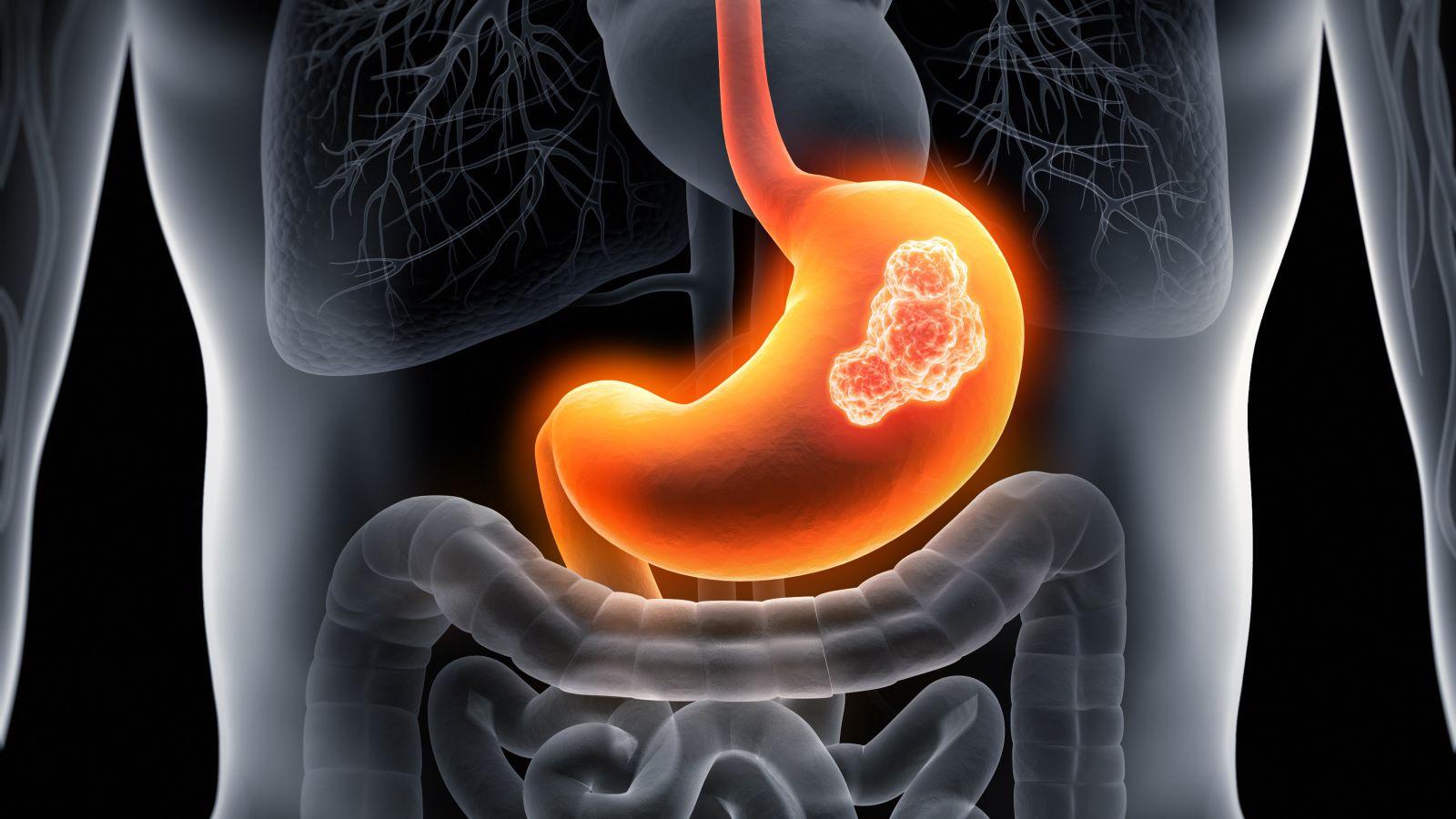
1. Persistent or Severe Upper Abdominal Pain
One of the most common warning signs of a digestive problem is persistent pain in the upper abdomen.
While occasional discomfort after overeating is common, pain that lasts for days or weeks, wakes you during the night, or repeatedly returns deserves medical attention.
The pain may be:
-
Burning
-
Gnawing
-
Sharp
-
Cramping
-
Constant or intermittent
Possible causes include:
-
Gastritis
-
Peptic ulcers
-
Gallstones
-
Pancreatitis
-
Gastroesophageal reflux disease (GERD)
-
Functional dyspepsia
In some cases, pain that radiates to the back or shoulder may point toward gallbladder or pancreatic disease rather than the stomach itself.
When Is It More Concerning?
Seek prompt medical care if abdominal pain is accompanied by:
-
Fever
-
Persistent vomiting
-
Fainting
-
Difficulty breathing
-
Black stools
-
Vomiting blood
-
Severe tenderness when touching the abdomen
These symptoms may indicate a medical emergency.
2. Unexplained Weight Loss and Loss of Appetite
Losing weight without trying should never be dismissed, especially if it occurs alongside digestive symptoms.
People may notice:
-
Clothes becoming loose
-
Reduced appetite
-
Feeling full after eating only a small amount
-
Ongoing nausea
Potential explanations include:
-
Chronic stomach inflammation
-
Peptic ulcer disease
-
Malabsorption disorders
-
Pancreatic disease
-
Certain cancers affecting the digestive tract
Although stress can temporarily reduce appetite, persistent weight loss requires medical evaluation to determine the underlying cause.
3. Vomiting Blood or Passing Black, Tarry Stools
These are among the most serious warning signs involving the digestive system.
Blood from the upper digestive tract may appear as:
-
Bright red blood
-
Dark brown material resembling coffee grounds
Bleeding may also present as black, sticky, tar-like stools because blood has been digested as it moves through the gastrointestinal tract.
Potential causes include:
-
Bleeding stomach ulcers
-
Severe gastritis
-
Esophageal tears
-
Enlarged veins in the esophagus (esophageal varices)
-
Certain stomach tumors
These symptoms require immediate emergency medical attention.
Do not attempt to treat significant gastrointestinal bleeding at home.

4. Difficulty Swallowing or Feeling That Food Gets Stuck
Difficulty swallowing, known medically as dysphagia, is another symptom that should not be ignored.
People may experience:
-
Food feeling stuck behind the breastbone
-
Pain when swallowing
-
Frequent choking episodes
-
Regurgitation of undigested food
Possible causes include:
-
Severe acid reflux
-
Esophageal narrowing
-
Esophageal inflammation
-
Neurological disorders
-
Esophageal cancer
Persistent swallowing difficulties should be evaluated promptly, particularly in older adults or individuals with unexplained weight loss.
5. Persistent Nausea and Vomiting
Occasional nausea caused by a viral illness or food poisoning usually improves within a few days.
However, nausea or vomiting that continues for several days—or repeatedly returns—may signal a more significant digestive disorder.
Possible causes include:
-
Stomach ulcers
-
Gastric outlet obstruction
-
Gallbladder disease
-
Pancreatitis
-
Gastroparesis
-
Certain medications
-
Pregnancy (where applicable)
Repeated vomiting can also lead to dehydration and electrolyte imbalances.
Warning Signs of Dehydration
These include:
-
Dry mouth
-
Dizziness
-
Reduced urination
-
Extreme thirst
-
Rapid heartbeat
Medical evaluation becomes especially important if vomiting prevents you from keeping fluids down.
6. Feeling Full Very Quickly or Persistent Bloating
Everyone experiences occasional bloating, especially after large meals.
However, persistent bloating or feeling unusually full after eating only a small amount—known as early satiety—may indicate an underlying digestive problem.
Possible causes include:
-
Gastritis
-
Peptic ulcers
-
Delayed stomach emptying (gastroparesis)
-
Functional dyspepsia
-
Food intolerances
-
Ovarian conditions (in women)
-
Less commonly, stomach or abdominal cancers
Although bloating alone is often not serious, persistent symptoms deserve medical attention, particularly if accompanied by weight loss or anemia.
Common Conditions That May Cause These Symptoms
Several digestive disorders can produce similar warning signs.
Gastritis
Gastritis is inflammation of the stomach lining.
Common symptoms include:
-
Burning stomach pain
-
Nausea
-
Bloating
-
Indigestion
-
Loss of appetite
Common causes include:
-
Helicobacter pylori infection
-
Long-term NSAID use
-
Excessive alcohol consumption
-
Stress related to severe illness
Peptic Ulcers
Peptic ulcers are sores that develop in the lining of the stomach or the first part of the small intestine.
Symptoms may include:
-
Burning pain between meals
-
Nighttime pain
-
Nausea
-
Black stools if bleeding occurs
Most ulcers are related to H. pylori infection or frequent use of NSAID pain relievers.
Gastroesophageal Reflux Disease (GERD)
GERD occurs when stomach acid repeatedly flows back into the esophagus.
Typical symptoms include:
-
Heartburn
-
Sour taste in the mouth
-
Chest discomfort
-
Chronic cough
-
Difficulty swallowing
Untreated GERD can lead to complications such as esophagitis or narrowing of the esophagus.
Stomach Cancer
Stomach cancer is relatively uncommon compared with other digestive conditions, but its early symptoms can be subtle.
Possible warning signs include:
-
Persistent stomach discomfort
-
Early satiety
-
Weight loss
-
Fatigue
-
Black stools
-
Ongoing nausea
Because early symptoms often resemble less serious conditions, persistent or worsening symptoms should be evaluated rather than ignored.
Risk Factors for Serious Digestive Diseases
Several factors increase the likelihood of developing stomach disorders.
These include:
-
Smoking
-
Heavy alcohol use
-
Long-term NSAID use
-
Chronic H. pylori infection
-
Diets high in processed or heavily salted foods
-
Obesity
-
Family history of stomach cancer
-
Increasing age
Reducing modifiable risk factors can help support long-term digestive health.
How Doctors Evaluate Persistent Stomach Symptoms
Depending on your symptoms, your healthcare provider may recommend:
-
Physical examination
-
Blood tests
-
Stool testing
-
H. pylori testing
-
Upper endoscopy
-
CT scan or ultrasound
-
Biopsy, if needed
These tests help identify the underlying cause and guide appropriate treatment.
Healthy Habits That Support Digestive Health
While healthy habits cannot prevent every digestive disease, they may reduce the risk of some common conditions.
Eat Balanced Meals
Choose meals that include:
-
Fruits
-
Vegetables
-
Whole grains
-
Lean protein
-
Healthy fats
Limit excessive intake of processed foods and heavily salted products.
Avoid Smoking
Smoking increases the risk of ulcers, reflux, and several digestive cancers.
Limit Alcohol
Heavy alcohol use may irritate the stomach lining and contribute to gastritis and liver disease.
Maintain a Healthy Weight
Healthy body weight may reduce the risk of GERD and other digestive disorders.
Exercise Regularly
Moderate physical activity supports normal digestion and overall health.
Avoid Unnecessary NSAID Use
Pain relievers such as ibuprofen or naproxen may increase the risk of stomach ulcers, especially when used frequently or without medical guidance.
When Should You See a Doctor?
Arrange a medical evaluation if you experience:
-
Persistent abdominal pain lasting more than a few weeks
-
Ongoing nausea or vomiting
-
Difficulty swallowing
-
Unexplained weight loss
-
Persistent loss of appetite
-
Chronic bloating
-
Frequent indigestion that does not improve
Seek emergency medical care immediately if you develop:
-
Vomiting blood
-
Black or bloody stools
-
Severe abdominal pain
-
Fainting
-
Persistent inability to keep fluids down
-
Sudden rigid abdomen
-
Chest pain that could represent a heart emergency
Final Thoughts
Digestive symptoms are common, and many cases are caused by temporary or treatable conditions. However, persistent upper abdominal pain, unexplained weight loss, gastrointestinal bleeding, difficulty swallowing, ongoing nausea and vomiting, and early satiety or chronic bloating are warning signs that should not be ignored.
Although these symptoms do not necessarily mean you have a severe digestive disease, they warrant timely medical evaluation to identify the underlying cause. Early diagnosis can lead to more effective treatment, help prevent complications, and, in some cases, detect serious conditions such as ulcers or cancer at a more treatable stage.
Listening to your body, maintaining healthy lifestyle habits, and seeking medical advice when symptoms persist are important steps toward protecting your digestive health. If you notice any of these concerning signs—especially if they worsen or occur together—don't delay speaking with a qualified healthcare professional. Early attention can make a meaningful difference in both your health and quality of life.