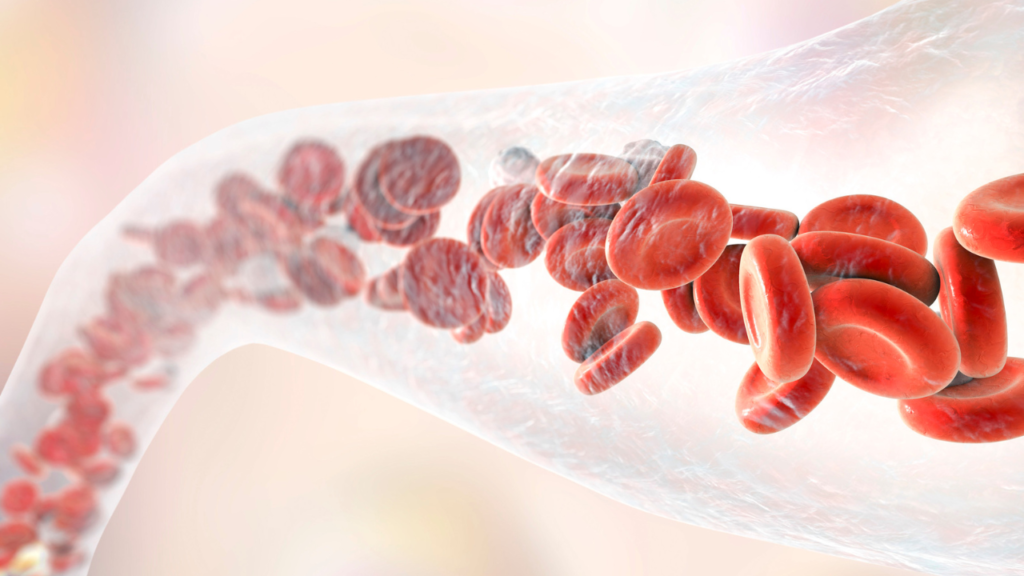
Good circulation is essential for overall health. Every cell in your body relies on a steady supply of oxygen and nutrients delivered through your bloodstream. When circulation is working well, your muscles, skin, nerves, and organs receive what they need to function efficiently. Your legs, in particular, depend on healthy blood flow because they are the farthest from your heart and must work against gravity to return blood upward.
Many people occasionally experience tired legs, cold feet, mild swelling, or muscle cramps after sitting or standing for long periods. While these symptoms are often temporary, maintaining healthy circulation can help support comfort and mobility over time. Fortunately, improving circulation doesn't always require complicated changes. Small, consistent daily habits can make a meaningful difference.
It's important to note that persistent pain, significant swelling, skin discoloration, non-healing wounds, or sudden changes in circulation should always be evaluated by a healthcare professional. The habits discussed below are intended to support overall vascular health and are not a substitute for medical care.
1. Stay Physically Active Throughout the Day
One of the most effective ways to support healthy circulation is simply to move your body regularly.
Walking activates the calf muscles, often called the body's "second heart," because they help pump blood back toward the heart. Every step encourages healthy blood flow through the veins of your legs.
Even if you exercise regularly, sitting for many hours can temporarily reduce circulation. This is why experts recommend breaking up long periods of inactivity.
Simple ways to stay active include:
-
Taking a 20–30 minute walk daily
-
Standing up every hour if you work at a desk
-
Stretching your legs during breaks
-
Using the stairs when possible
-
Gentle cycling or swimming
Low-impact activities are especially beneficial because they strengthen muscles without placing excessive stress on joints.
Consistency matters more than intensity. Moderate movement performed every day often provides greater long-term benefits than occasional strenuous exercise.
2. Eat a Heart-Healthy Diet
Your circulatory system depends heavily on the foods you eat.
A balanced diet supports healthy blood vessels, helps maintain normal cholesterol levels, and provides nutrients that contribute to overall cardiovascular health.
Focus on eating plenty of:
-
Colorful vegetables
-
Fresh fruits
-
Whole grains
-
Beans and legumes
-
Nuts and seeds
-
Fish rich in omega-3 fatty acids
-
Healthy oils such as olive oil
Many fruits and vegetables contain antioxidants that help protect blood vessels from oxidative stress.
Foods naturally rich in potassium—such as bananas, spinach, sweet potatoes, and avocados—may also help support healthy blood pressure when consumed as part of a balanced diet.
Meanwhile, limiting highly processed foods, excessive sodium, sugary beverages, and trans fats may benefit long-term cardiovascular health.
Hydration is equally important. Drinking enough water throughout the day supports normal blood volume and overall circulation.
3. Avoid Sitting or Standing in One Position for Too Long
Modern lifestyles often involve extended periods of sitting at desks, driving, or standing for work.
Remaining in one position for prolonged periods may temporarily slow circulation in the lower limbs.
If your job requires sitting:
-
Stand up every 30–60 minutes.
-
Walk around the room.
-
Stretch your calves.
-
Rotate your ankles.
-
Perform gentle heel raises.
If you stand most of the day:
-
Shift your weight frequently.
-
Walk whenever possible.
-
Flex your calf muscles.
-
Rest your legs during breaks.
Small movement breaks throughout the day can help reduce feelings of heaviness and fatigue in the legs.
4. Maintain a Healthy Body Weight
Excess body weight places additional strain on the heart, blood vessels, and joints.
Maintaining a healthy weight may help support:
-
Better circulation
-
Healthy blood pressure
-
Joint comfort
-
Improved mobility
-
Reduced stress on leg veins
Rather than focusing on rapid weight loss, aim for sustainable habits that include nutritious eating and regular physical activity.
Even modest improvements in weight can contribute positively to cardiovascular health over time.
Remember that healthy weight goals vary from person to person, and individualized guidance from healthcare professionals can be helpful.
5. Elevate Your Legs When Resting
After spending much of the day on your feet or sitting for long periods, elevating your legs may help reduce temporary swelling and encourage blood to return toward the heart.
Many people find relief by lying down and raising their legs above heart level for about 15–20 minutes.
You can:
-
Place pillows under your calves
-
Rest your legs against a wall
-
Recline with your feet elevated
This simple habit may be particularly comfortable after travel or a long workday.
However, if swelling is severe, affects only one leg, or is accompanied by pain or redness, seek medical attention promptly, as these symptoms may require evaluation.
6. Don't Smoke and Manage Cardiovascular Risk Factors
Smoking is one of the most significant lifestyle factors that can damage blood vessels.
Tobacco chemicals contribute to inflammation, reduce oxygen delivery, and impair the normal function of arteries and veins.
Quitting smoking offers numerous health benefits, including improved cardiovascular health over time.
In addition, managing common cardiovascular risk factors is equally important. These include:
-
High blood pressure
-
High cholesterol
-
Diabetes
-
Physical inactivity
-
Chronic stress
Regular health checkups allow these conditions to be identified and managed early.
Following your healthcare provider's recommendations regarding medications, nutrition, and exercise plays a key role in protecting circulation.
Additional Tips to Support Healthy Legs
Several everyday habits can complement the six strategies above:
Wear Comfortable Footwear
Supportive shoes encourage natural movement and reduce unnecessary strain on your feet and legs.
Stretch Daily
Gentle stretching improves flexibility and helps keep muscles relaxed.
Prioritize Sleep
Quality sleep supports many systems throughout the body, including cardiovascular health.
Reduce Stress
Chronic stress can influence blood pressure and heart health. Relaxation techniques such as deep breathing, meditation, or yoga may help support overall well-being.
Stay Warm During Cold Weather
Cold temperatures naturally cause blood vessels near the skin to narrow. Dressing appropriately helps maintain comfort and circulation.
When Should You See a Doctor?
Although lifestyle habits support general health, certain symptoms should never be ignored.
Consult a healthcare professional if you experience:
-
Persistent leg pain while walking
-
Sudden swelling in one leg
-
Skin discoloration or ulcers
-
Feet that remain unusually cold
-
Numbness that does not improve
-
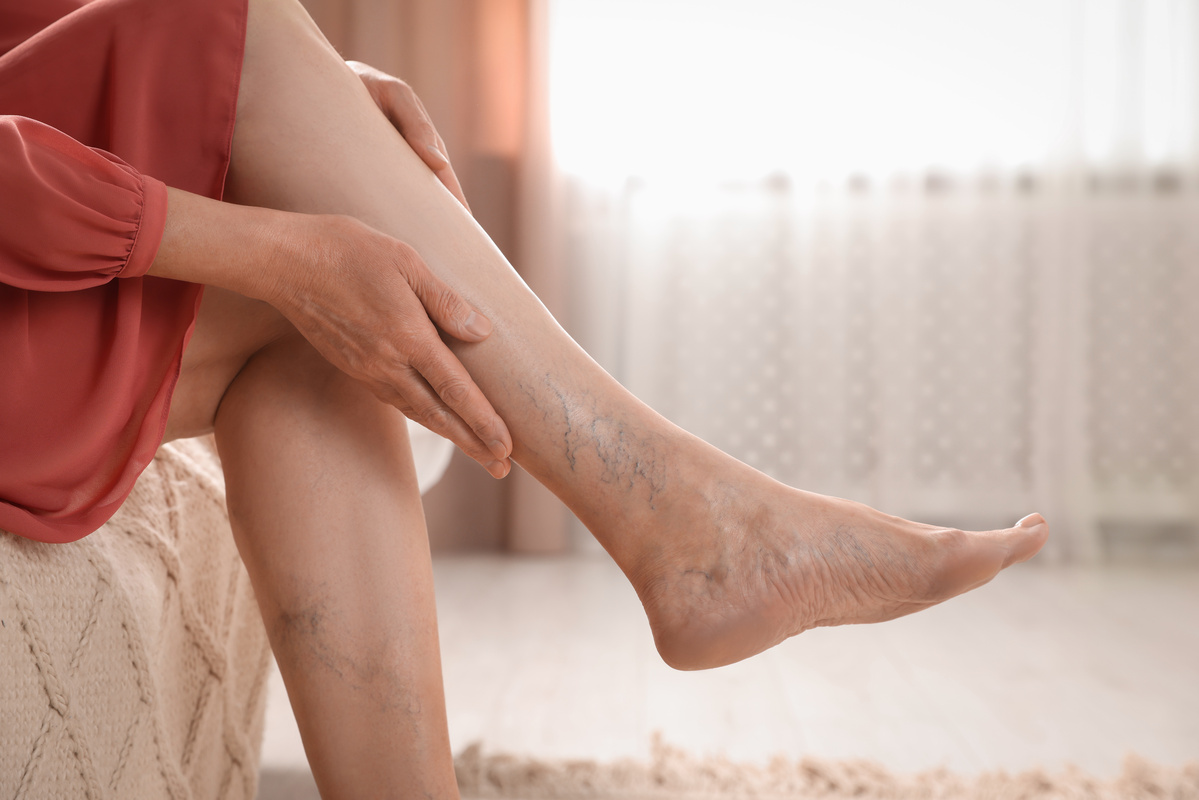
Severe varicose veins causing pain
-
Non-healing wounds on the feet or legs
-
Chest pain or shortness of breath
These symptoms may indicate conditions requiring medical evaluation and treatment.

Final Thoughts
Healthy circulation is fundamental to keeping your legs strong, comfortable, and functional throughout life. While aging and genetics can influence vascular health, daily lifestyle choices also play an important role.
Regular physical activity, a nutritious diet, avoiding prolonged sitting or standing, maintaining a healthy weight, elevating your legs after long days, and avoiding smoking are all practical habits that can support healthy blood flow.
These strategies are not quick fixes, but when practiced consistently, they contribute to overall cardiovascular wellness and may help reduce everyday discomfort associated with poor circulation.
Finally, remember that healthy habits work best alongside regular medical checkups. If you notice persistent or worsening symptoms involving your legs or circulation, don't delay seeking professional medical advice. Early evaluation can make a significant difference in maintaining long-term vascular and overall health.