6 Early Dementia Symptoms You Might Overlook at First
Dementia is often associated with severe memory loss, but experts warn that its earliest signs can be subtle and easily mistaken for normal aging or stress.
Because these symptoms develop gradually, many people ignore them—missing the opportunity for early diagnosis and intervention.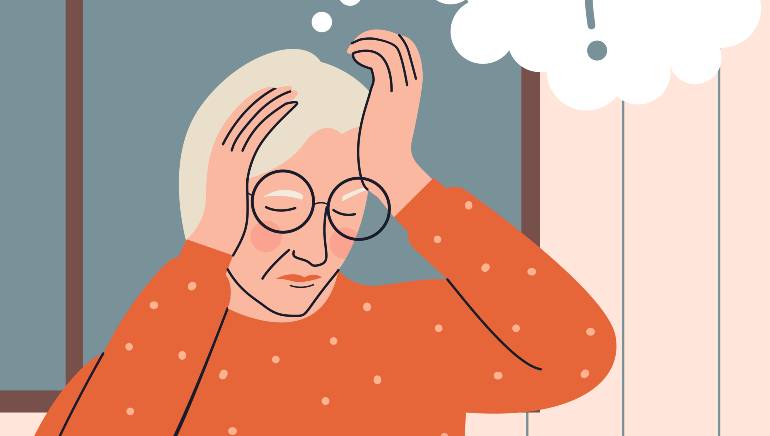
A Condition That Develops Quietly
Dementia is not a single disease but a group of conditions that affect memory, thinking, and behavior. In the early stages, symptoms are usually mild and may not immediately interfere with daily life.
However, recognizing these early warning signs is crucial for timely medical care.
1. Subtle Memory Loss
One of the earliest and most common signs is difficulty remembering recent events or information.
People may:
- Forget conversations or appointments
- Misplace everyday items like keys
- Repeat the same questions
While occasional forgetfulness is normal, frequent memory lapses that affect daily life may be a red flag.
2. Trouble Finding the Right Words
Language difficulties can appear early but are often overlooked.
A person may:
- Struggle to find simple words
- Pause frequently during conversations
- Use unusual or incorrect words
These changes may seem minor at first but can gradually worsen over time.
3. Difficulty With Planning and Decision-Making
Early dementia can affect the brain’s ability to process information.
This may lead to:
- Trouble managing finances
- Difficulty following steps in tasks
- Poor judgment in everyday situations
Such changes are often mistaken for distraction or stress.
4. Getting Lost in Familiar Places
A lesser-known early sign is disorientation.
Individuals may:
- Forget routes they previously knew well
- Become confused about time or location
- Struggle to recognize familiar surroundings
This can be particularly concerning when it happens repeatedly.
5. Changes in Mood and Personality
Dementia doesn’t only affect memory—it can also influence emotions.
Early changes may include:
- Increased anxiety or irritability
- Withdrawal from social activities
- Loss of interest in hobbies
These shifts are often mistaken for depression or normal mood swings.
6. Difficulty Performing Familiar Tasks
Another subtle sign is struggling with everyday activities.
People may:
- Forget how to complete routine tasks
- Have trouble organizing simple activities
- Take much longer to finish familiar work
This can interfere with independence over time.

Why These Signs Are Often Ignored
What makes early dementia dangerous is its ability to blend into normal life.
Many symptoms:
- Develop slowly
- Seem harmless at first
- Are attributed to aging or fatigue
As a result, diagnosis is often delayed until the condition has progressed.
When Should You Seek Help?
Experts recommend paying attention if symptoms:
- Persist or worsen over time
- Affect daily functioning
- Are noticed by family or friends
Early evaluation can help manage symptoms and improve quality of life.
The Bottom Line
Dementia does not always begin with obvious memory loss. In many cases, it starts with small, easily overlooked changes in thinking, behavior, and communication.
Recognizing these early warning signs can make a critical difference in diagnosis and long-term care.